
Aliko Dangote, Africa’s richest industrialist and President of the Dangote Group, has unveiled a major education support initiative aimed at assisting more than 1.3 million Nigerian students through a N1 trillion fund dedicated to improving learning outcomes across the country. The intervention, reported by Nigerian news outlets, reflects Dangote’s renewed commitment to advancing human capital development, reducing educational disparities, and empowering young people through structured financial and infrastructural support.
According to the reports, the N1 trillion scheme is expected to be rolled out under the Aliko Dangote Foundation (ADF), the philanthropic arm of the Dangote conglomerate. The initiative will focus on boosting access to quality education by addressing key deficits faced by learners in public schools, particularly in underserved and economically challenged communities. The programme will reportedly cover a broad range of needs, including scholarships, learning materials, improved school facilities, digital learning tools, and nutrition support in some areas.
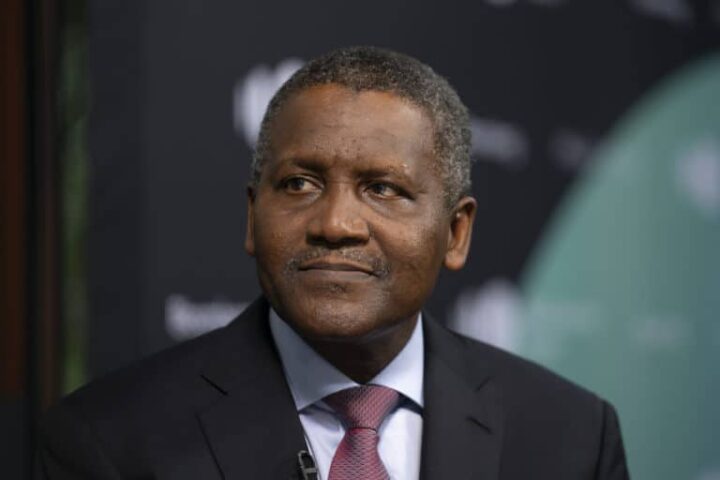
Dangote noted that the motivation behind the intervention is rooted in the belief that education remains the most powerful tool for transforming lives and reshaping the future of any nation. He emphasised that Nigeria’s position as the most populous African country demands an urgent and strategic investment in education to ensure that future generations are equipped with the skills required to drive sustainable economic development. By supporting 1.3 million students, the initiative seeks to address long-standing challenges that continue to widen the learning gap between privileged and disadvantaged children.
The reports highlight that Dangote is particularly concerned about the growing number of out-of-school children across Nigeria, a situation analysts describe as a major national emergency. As part of the N1 trillion plan, his foundation will collaborate with federal and state governments, community stakeholders, and international development partners to accelerate the enrolment and retention of students in primary and secondary schools. Stakeholders have welcomed the partnership-driven approach, describing it as crucial to achieving lasting impact.
The education fund will also target improvements in classroom infrastructure by constructing and rehabilitating school buildings, providing modern learning equipment, and supporting teacher training programmes. Analysts say such investments are urgently needed in many rural and peri-urban communities where classrooms are overcrowded, dilapidated, or lacking basic educational materials. With Nigeria facing rising inflation and budgetary constraints, the private-sector-led intervention is seen as a timely boost to address critical systemic gaps.
Reports further indicate that the scheme will include digital literacy projects, reflecting Dangote’s interest in preparing young Nigerians for a technology-driven global economy. The initiative will promote early exposure to digital tools, coding programmes, and information technology skills, which are increasingly essential for competitiveness in the modern job market. Education experts have praised this component of the initiative, noting that it aligns with the global shift towards STEM-focused learning models.
Beyond academic needs, the support scheme is expected to include nutritional interventions for students in vulnerable communities, recognising the connection between proper nutrition and learning outcomes. Dangote pointed out that malnutrition remains one of the hidden obstacles affecting school attendance and performance, especially among children in low-income households. ADF aims to incorporate feeding components that ensure students remain healthy, focused, and ready to learn.
In responding to the announcement, several education sector stakeholders expressed optimism, describing the initiative as one of the largest single private-sector investments ever dedicated to improving education in Nigeria. They noted that Dangote’s influence and organisational capacity could help accelerate reforms and mobilise additional private and philanthropic resources into the sector. Some development experts also highlighted that the initiative aligns with the United Nations Sustainable Development Goal on inclusive and equitable quality education.
Teachers’ unions and education authorities have also reacted positively, stating that the fund could help reduce the burden on public institutions struggling with limited resources. They emphasised that improving classroom standards and providing students with learning tools could help revive interest in public education at a time when many families are being forced to withdraw their children from school due to rising costs.
The Dangote Foundation reaffirmed its commitment to transparency, noting that the implementation of the scheme would be monitored through a rigorous evaluation structure to ensure accountability and measurable impact. The foundation also disclosed plans to release periodic progress reports detailing the number of beneficiaries, the nature of support provided, and the outcomes recorded across intervention zones.
Observers say the initiative could serve as a model for other wealthy individuals and corporate organisations to follow, especially in a country where private-sector involvement is increasingly necessary to complement government efforts in essential sectors like education, healthcare, and infrastructure.
Dangote concluded that the N1 trillion education support scheme represents a long-term investment in Nigeria’s human capital, stressing that no nation can grow beyond the quality of its education system. He maintained that empowering 1.3 million students is only the beginning, as the foundation aims to scale the programme over time and expand its reach to more communities nationwide.
Support InfoStride News' Credible Journalism: Only credible journalism can guarantee a fair, accountable and transparent society, including democracy and government. It involves a lot of efforts and money. We need your support. Click here to Donate