
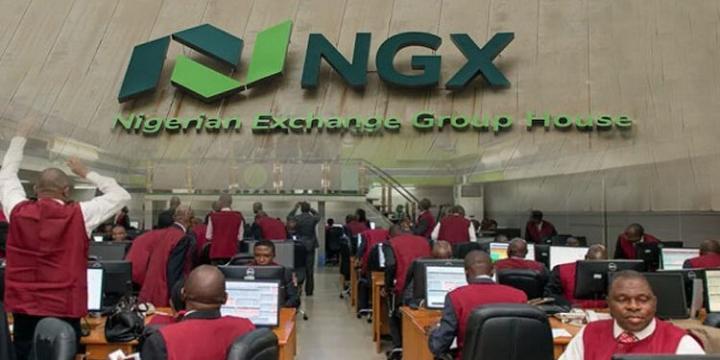
Equities on the Nigerian Exchange closed the week on a strong note as market capitalisation increased by N578 billion in a shortened trading session, driven by renewed investor interest in large- and mid-cap stocks. The rally came despite cautious sentiment in the broader economy, highlighting selective bargain hunting by investors positioning ahead of corporate earnings and macroeconomic developments.
Trading activities during the week were limited by the shortened calendar, but this did not dampen bullish momentum on the bourse. The market capitalisation of listed equities rose to about N60 trillion, reflecting gains recorded across key sectors, particularly banking, industrial goods and consumer stocks. The All-Share Index followed the same trajectory, posting appreciable gains as buying pressure outweighed profit-taking.
Market analysts attributed the rally largely to renewed interest in fundamentally strong stocks that had earlier experienced price corrections. Investors were said to be taking advantage of relatively attractive valuations, especially in tier-one banking stocks and select blue-chip companies with a history of consistent dividends. The improved sentiment was also supported by expectations of stronger half-year earnings in some sectors.
The banking sector played a major role in driving market performance, with several financial services stocks recording notable price appreciation. Analysts noted that investors remain optimistic about banks’ earnings resilience, despite a high-interest-rate environment and tighter monetary conditions. Improved net interest margins and non-interest income growth expectations continued to underpin demand for banking equities.
Industrial goods stocks also contributed significantly to the rally, buoyed by renewed buying interest in cement manufacturers and related companies. Market watchers said expectations of sustained infrastructure spending and stable construction activity supported sentiment in the sector. Some investors were also positioning ahead of anticipated dividend declarations later in the year.
Consumer goods stocks recorded mixed but generally positive performance, with gains in select counters offsetting mild losses in others. Analysts said companies with strong pricing power and efficient cost management were attracting investor interest, particularly as inflationary pressures persist. The ability of these firms to pass costs to consumers without significantly eroding demand remains a key consideration for investors.
Activity in the oil and gas sector was relatively subdued, though some stocks recorded marginal gains. The sector continues to be influenced by developments in global crude oil prices, domestic energy reforms and evolving regulatory policies. Investors are said to be cautiously optimistic but remain selective in their exposure to energy stocks.
Market breadth closed positive, indicating that more stocks advanced than declined during the week. This was interpreted by analysts as a sign of improving investor confidence, even though overall trading volumes were moderated by the shortened week. They noted that sustained positive breadth often signals stronger underlying market momentum.
Despite the rally, analysts cautioned that the market remains sensitive to macroeconomic headwinds, including inflation, currency volatility and monetary policy tightening. They said these factors continue to influence investor behaviour, particularly among foreign portfolio investors who remain cautious about emerging market risks.
Domestic institutional investors were identified as key drivers of recent market activity, providing stability and liquidity to the market. Pension funds and asset managers were said to be rebalancing portfolios in favour of equities, attracted by dividend yields and long-term growth prospects relative to fixed-income instruments.
Retail investors also showed renewed interest in the market, encouraged by recent price movements and expectations of dividend payouts. However, analysts advised caution, urging investors to focus on fundamentally sound stocks rather than speculative plays, especially in a volatile economic environment.
The NGX itself has continued to emphasise market transparency and investor protection, with ongoing efforts to improve trading efficiency and disclosure standards. Market operators said these measures are gradually strengthening confidence and supporting market development.
Looking ahead, analysts expect market performance to remain mixed but broadly positive, depending on corporate earnings releases, macroeconomic data and policy signals. The start of the earnings season is expected to provide clearer direction, as investors assess company performance and outlooks.
They also noted that interest rate movements and liquidity conditions in the financial system will play a crucial role in shaping market sentiment in the coming weeks. Any indication of easing inflation or a shift in monetary policy stance could further support equities, while negative surprises may trigger renewed volatility.
For now, the N578 billion addition to market capitalisation in a shortened week underscores the resilience of the Nigerian equities market and the growing role of domestic investors in sustaining momentum. Analysts believe that while challenges persist, selective opportunities remain for investors with a long-term perspective.
As trading resumes in a full week, market participants will be watching closely to see whether the bullish trend can be sustained or if profit-taking will emerge. The balance between optimism and caution is expected to define market direction in the near term, as investors navigate an evolving economic and financial landscape.
Support InfoStride News' Credible Journalism: Only credible journalism can guarantee a fair, accountable and transparent society, including democracy and government. It involves a lot of efforts and money. We need your support. Click here to Donate