
Oil marketers have reiterated that the Dangote Petroleum Refinery, despite its massive capacity and strategic importance, cannot single-handedly meet Nigeria’s fuel demand, stressing the need for sustained fuel imports and contributions from other domestic refineries to guarantee energy security and price stability.
Industry operators under the umbrella of major and independent marketers said while the Dangote refinery represents a major milestone in Nigeria’s quest for fuel self-sufficiency, the country’s daily petrol consumption and logistics realities make it impractical to rely on one refinery alone. They argued that Nigeria requires a mix of local refining capacity and controlled imports to ensure consistent nationwide supply.
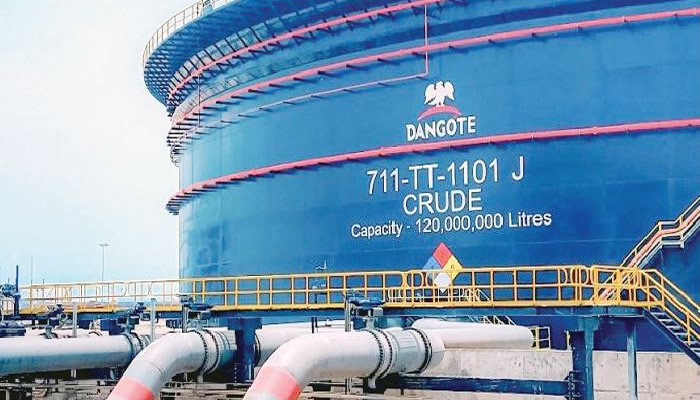
According to marketers, Nigeria’s petrol consumption is estimated at tens of millions of litres daily, driven by population growth, economic activity and the absence of reliable alternatives to fossil fuels. They noted that even at optimal performance, no single refinery can seamlessly supply all regions without challenges related to distribution, storage and transportation.
The marketers acknowledged that Dangote refinery’s increasing supply of premium motor spirit has contributed to improved availability in recent weeks, especially in parts of the country closer to its distribution channels. However, they cautioned against the notion that domestic refining alone has eliminated the need for imports.
They explained that fuel supply involves more than refining capacity, pointing to issues such as pipeline limitations, truck availability, depot infrastructure and regional disparities in access. According to them, relying solely on one supply source exposes the market to risks in the event of operational disruptions, maintenance shutdowns or unforeseen technical issues.
Marketers also highlighted the importance of competition in the downstream sector, arguing that multiple supply sources help stabilise prices and prevent monopolistic tendencies. They said allowing imports alongside local production ensures market balance and protects consumers from supply shocks.
Industry sources noted that while the Dangote refinery has significantly reduced Nigeria’s reliance on imported fuel, it is unrealistic to expect it to immediately replace all imports, especially during peak demand periods. They stressed that imports remain necessary to bridge supply gaps and maintain buffer stocks.
The marketers further pointed out that Nigeria still has other refineries, both public and private, at various stages of rehabilitation and development. They said the eventual return of state-owned refineries and the emergence of modular refineries across the country would collectively strengthen domestic supply and reduce dependence on imports over time.
According to them, a diversified refining and supply ecosystem is essential for long-term sustainability. They argued that encouraging multiple operators, rather than focusing on a single dominant player, would enhance resilience and efficiency in the downstream petroleum sector.
The issue has gained prominence amid recent adjustments in petrol prices, which industry stakeholders say are influenced by factors such as crude oil prices, exchange rate movements and logistics costs. Marketers noted that while local refining reduces foreign exchange exposure, other cost components still affect pump prices.
They also stressed that policy consistency and regulatory clarity are critical to sustaining investment in the downstream sector. According to them, uncertainties around pricing, access to crude oil and foreign exchange can discourage operators and limit the full benefits of domestic refining.
Some marketers cautioned that excluding imports prematurely could lead to shortages if local supply falls short, recalling past episodes of fuel scarcity linked to supply disruptions. They argued that Nigeria should prioritise availability and stability over rigid policy positions.
On their part, analysts say the Dangote refinery has already altered Nigeria’s fuel supply dynamics by boosting local production and reducing import volumes. They noted that the refinery’s scale provides significant advantages in terms of efficiency and economies of scale, which could support more competitive pricing in the long run.
However, analysts agree with marketers that energy security is best achieved through diversification. They said countries with large fuel markets typically rely on multiple refineries and import channels to ensure uninterrupted supply.
The downstream sector has also been undergoing broader reforms following the removal of petrol subsidy, which has shifted market dynamics toward cost-reflective pricing. Marketers say the new environment requires flexible supply arrangements to respond to demand fluctuations and price signals.
They further emphasised the role of infrastructure development in maximising the benefits of local refining. Investments in pipelines, depots and transportation networks, they said, are necessary to move products efficiently from refineries to consumers nationwide.
As Nigeria continues to transition toward a deregulated downstream market, stakeholders say collaboration among government, refiners and marketers is essential. They urged authorities to adopt policies that encourage investment, competition and supply diversity, rather than over-reliance on a single source.
While acknowledging Dangote refinery’s contribution, marketers maintained that Nigeria’s fuel supply needs are too large and complex for one facility alone. They stressed that a balanced approach combining domestic refining, imports and infrastructure development remains the most practical path forward.
In the coming months, industry watchers expect continued debate around the role of imports as domestic refining capacity expands. For now, marketers insist that ensuring consistent fuel availability for Nigerians requires multiple supply streams working in tandem, with Dangote refinery playing a leading but not exclusive role.
Support InfoStride News' Credible Journalism: Only credible journalism can guarantee a fair, accountable and transparent society, including democracy and government. It involves a lot of efforts and money. We need your support. Click here to Donate