
The Central Bank of Nigeria has projected that the country’s foreign exchange reserves could rise to about $51 billion by 2026, driven by ongoing economic reforms, improved foreign exchange inflows and stronger macroeconomic management. The projection reflects growing optimism within the apex bank that recent policy adjustments will strengthen Nigeria’s external position over the medium term.
According to the CBN, the expected growth in external reserves is anchored on reforms in the foreign exchange market, increased oil and gas earnings, improved non-oil exports and rising inflows from diaspora remittances and foreign investment. The bank said these factors, combined with tighter monetary policy and enhanced transparency, are expected to support reserve accumulation.
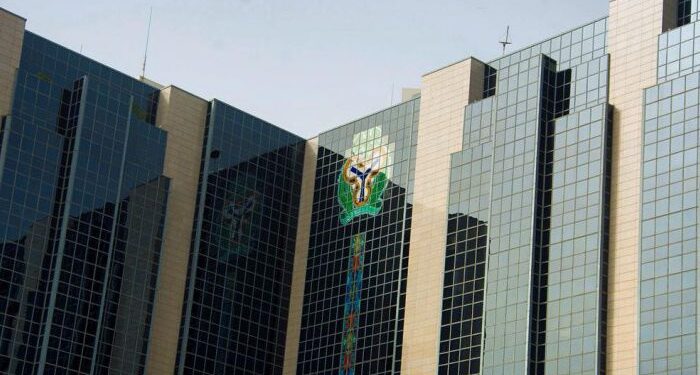
The apex bank explained that stabilising the foreign exchange market remains a core objective, as reserves play a critical role in boosting investor confidence and supporting exchange rate stability. Higher reserves, the CBN noted, would also enhance the country’s ability to absorb external shocks and meet international payment obligations.
Nigeria’s external reserves have experienced fluctuations in recent years, influenced by oil price volatility, production challenges and high import demand. However, the CBN said recent improvements in market discipline and reforms in the FX framework are beginning to yield positive outcomes.
One of the major drivers of the projected reserve growth is the reform of the foreign exchange market. The CBN said the move towards a more transparent and market-reflective exchange rate system has helped restore confidence among investors and encouraged inflows through official channels.
The apex bank also highlighted the impact of improved oil sector performance. Although crude oil production has faced challenges, ongoing efforts to curb oil theft, improve pipeline security and enhance operational efficiency are expected to boost output and export earnings over time.
In addition, the CBN noted that gas exports and domestic gas utilisation are playing an increasingly important role in foreign exchange generation. With Nigeria positioning gas as a transition fuel, revenue from gas sales is expected to support external reserves alongside crude oil earnings.
Non-oil exports were also identified as a key contributor to the reserve outlook. The apex bank said initiatives to promote agricultural exports, solid minerals and manufactured goods are gradually improving export diversification. Increased value addition, the CBN added, would help strengthen foreign exchange inflows.
Diaspora remittances remain another critical pillar of reserve growth. The CBN said ongoing efforts to make official remittance channels more attractive and efficient are expected to boost inflows over the medium term. Remittances, the bank noted, provide a relatively stable source of foreign exchange compared to volatile commodity revenues.
Foreign portfolio and direct investment inflows are also expected to support reserve accumulation. The CBN said tighter monetary policy, improved yields in domestic financial markets and enhanced policy clarity are helping to attract foreign investors seeking returns in emerging markets.
The apex bank emphasised that fiscal discipline and coordination with monetary policy are essential to achieving the reserve target. According to the CBN, reduced reliance on deficit financing and improved revenue mobilisation will help limit pressure on external reserves.
Analysts say the projection reflects cautious optimism, noting that achieving the $51 billion target will depend on sustained reform implementation. While recent policy moves have improved transparency, analysts warn that inconsistent implementation could undermine confidence.
Economists also stress the importance of managing import demand. Nigeria’s high import dependence, particularly for refined petroleum products, machinery and food, continues to exert pressure on foreign exchange reserves. Reducing import reliance through domestic production, analysts argue, will be critical to sustaining reserve growth.
The CBN acknowledged these concerns, noting that structural reforms aimed at boosting domestic refining, agriculture and manufacturing are essential to easing pressure on reserves. The bank said improved local production would reduce the need for foreign exchange for imports.
The projected reserve growth also has implications for Nigeria’s credit profile. Stronger reserves could enhance the country’s ability to meet external debt obligations and improve perceptions among international lenders and rating agencies.
However, some experts caution that reserves should not be viewed solely as a buffer to defend the currency. Instead, they argue that reserves should support a stable and market-driven exchange rate regime rather than artificial controls.
The CBN said it remains committed to a balanced approach, emphasising that reserves will be managed prudently to support market stability without distorting price signals. The bank reiterated that transparency and consistency remain central to its policy direction.
The projection comes amid broader economic reforms by the Federal Government, including fuel subsidy removal and fiscal restructuring. These reforms, while challenging in the short term, are expected to improve macroeconomic stability and support long-term growth.
Business leaders have welcomed the reserve outlook, saying stronger reserves could help restore confidence in the economy and improve access to foreign exchange for productive sectors. Manufacturers and importers, however, stress the need for continued improvements in FX availability and predictability.
As Nigeria navigates a complex global environment marked by geopolitical tensions and financial tightening, the CBN said building strong external buffers is more important than ever. The apex bank stressed that resilience against external shocks remains a key objective.
The CBN concluded that while the $51 billion reserve target is ambitious, it is achievable with sustained reforms, improved export performance and disciplined macroeconomic management. According to the bank, consistent policy implementation will be critical to translating projections into reality and strengthening Nigeria’s external position by 2026.
Support InfoStride News' Credible Journalism: Only credible journalism can guarantee a fair, accountable and transparent society, including democracy and government. It involves a lot of efforts and money. We need your support. Click here to Donate