
The Nigerian Exchange (NGX) recorded a loss of N581 billion in market capitalization as bearish sentiment persisted across the equities market, extending the current downturn to a fourth consecutive trading session. The sustained decline reflects increased profit-taking activities, cautious investor sentiment, and selling pressure across key sectors of the market.
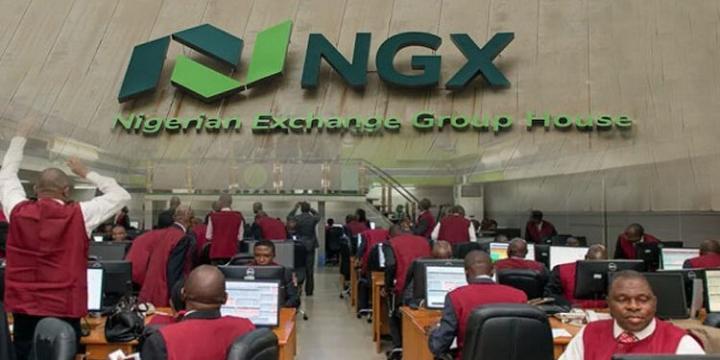
Market data showed that the overall value of listed equities fell significantly as investors continued to offload shares in major companies, resulting in a broad-based decline in stock prices. The latest loss adds to a series of negative trading sessions that have wiped substantial value from the market and tempered the bullish momentum witnessed earlier in the year.
Analysts attributed the downturn to a combination of factors, including profit-taking by investors following previous market gains, portfolio rebalancing activities, and uncertainty surrounding macroeconomic conditions. Investors are increasingly scrutinizing economic indicators, corporate earnings prospects, and monetary policy developments as they assess market opportunities and risks.
The decline in market capitalization reflects the cumulative impact of falling share prices across multiple sectors, including banking, consumer goods, industrials, insurance, and oil and gas. Several highly capitalized stocks recorded losses during the trading session, exerting significant pressure on the broader market index.
Market observers note that periods of sustained gains are often followed by corrections as investors move to lock in profits. Such adjustments are considered a normal part of market cycles, particularly after strong rallies that push stock valuations higher. However, the magnitude and duration of recent losses have raised concerns among some investors about the near-term direction of the market.
The NGX All-Share Index also recorded a decline, reflecting the negative performance of a large number of listed equities. Trading activity remained active, but sell-side pressure outweighed buying interest in several counters, contributing to the overall market weakness.
Financial analysts believe investor caution has been influenced by broader economic developments, including inflationary pressures, exchange rate movements, and interest rate expectations. These factors continue to shape investment decisions as market participants seek to balance potential returns against prevailing risks.
The monetary policy environment remains a key area of focus for investors. Higher interest rates often make fixed-income securities more attractive relative to equities, prompting some investors to shift portions of their portfolios away from the stock market. This trend can reduce demand for shares and contribute to market declines.
At the same time, inflation remains a major concern for businesses and consumers alike. Rising costs can affect corporate profitability, consumer spending, and overall economic activity, all of which have implications for stock market performance. Investors are therefore closely monitoring economic indicators for signs of improvement or further deterioration.
Despite the recent losses, some market experts argue that the underlying fundamentals of many listed companies remain relatively strong. They suggest that the current downturn may present buying opportunities for long-term investors seeking exposure to fundamentally sound businesses at lower valuations.
The banking sector, which has historically been a major driver of market activity, experienced mixed performance during the period under review. While some banking stocks attracted investor interest due to their earnings potential and dividend prospects, others faced selling pressure amid broader market weakness.
Consumer goods companies were also affected by investor concerns over rising operating costs and changing consumer spending patterns. Businesses within the sector continue to navigate inflationary pressures, foreign exchange challenges, and supply chain constraints that can impact profitability.
Industrial stocks similarly came under pressure as investors reassessed growth expectations in light of prevailing economic conditions. The industrial sector remains closely tied to infrastructure spending, construction activity, and broader economic performance, making it sensitive to shifts in investor sentiment.
Market operators have emphasized that short-term volatility is a common feature of equity markets and should not necessarily be interpreted as a sign of long-term weakness. Historical trends indicate that periods of decline are often followed by recoveries as investors identify value opportunities and confidence returns to the market.
Foreign investor participation remains another important factor influencing market performance. International investors often consider macroeconomic stability, currency conditions, and policy consistency when making investment decisions. Changes in these variables can affect capital flows into and out of the market.
Domestic institutional investors, including pension funds and asset managers, continue to play a critical role in supporting market liquidity and stability. Their investment decisions often influence trading patterns and can help cushion the impact of short-term market fluctuations.
Industry stakeholders maintain that continued efforts to strengthen market infrastructure, improve transparency, and enhance investor confidence remain essential for sustaining long-term growth. Regulatory reforms and technological advancements introduced in recent years have contributed to increased efficiency within the capital market.
The current market slump comes at a time when many listed companies are preparing to release financial results and provide updates on business performance. Investors are expected to pay close attention to these disclosures as they evaluate future growth prospects and investment strategies.
Analysts believe that corporate earnings performance will be a key determinant of market direction in the coming weeks. Strong financial results could help restore investor confidence and encourage renewed buying interest, while weaker-than-expected outcomes may prolong the current bearish trend.
Looking ahead, market participants remain cautiously optimistic despite the recent downturn. While short-term pressures continue to weigh on investor sentiment, many believe the long-term outlook for the Nigerian equities market remains positive, supported by ongoing economic reforms, corporate resilience, and the potential for increased investment activity.
For now, however, the market remains under pressure as the bearish streak extends into a fourth consecutive day, resulting in a N581 billion decline in market capitalization and underscoring the challenges facing investors in an increasingly complex economic environment.
Support InfoStride News' Credible Journalism: Only credible journalism can guarantee a fair, accountable and transparent society, including democracy and government. It involves a lot of efforts and money. We need your support. Click here to Donate