
The Independent Petroleum Marketers Association of Nigeria has expressed optimism that sustained supply of Premium Motor Spirit from the Dangote Petroleum Refinery will lead to a significant reduction in petrol prices across the country. The association said increased availability of locally refined fuel would ease supply constraints, lower distribution costs and reduce the pressure that has historically driven up pump prices.
IPMAN officials noted that the commencement and gradual expansion of PMS supply from the Dangote Refinery represents a major turning point for Nigeria’s downstream petroleum sector. For decades, the country relied heavily on imported petrol despite being one of Africa’s largest crude oil producers, exposing the domestic market to foreign exchange volatility, international price swings and high logistics costs.
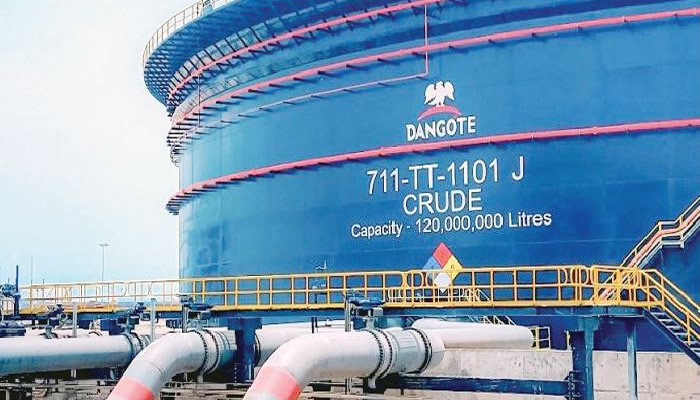
According to the association, local refining at scale will fundamentally alter this pattern. With the Dangote Refinery now supplying petrol to the domestic market, marketers are expected to benefit from reduced dependence on imports, shorter supply chains and more predictable pricing structures. These factors, IPMAN said, would ultimately translate to lower prices for consumers if sustained over time.
The National President of IPMAN explained that transportation and foreign exchange costs account for a significant portion of petrol pricing in Nigeria. He said locally refined PMS eliminates the need for shipping, demurrage charges and port-related expenses associated with imports. In addition, sourcing fuel within the country reduces exposure to fluctuations in the naira-dollar exchange rate, which has been a major driver of price increases.
He added that as supply volumes from the refinery grow, competition within the downstream market is likely to intensify. Increased competition, according to IPMAN, is critical to moderating prices in a deregulated environment, as marketers are compelled to offer more competitive rates to retain customers.
The association also pointed to the recent surge in truck loadings at the Dangote Refinery as evidence of growing acceptance of locally refined petrol. With hundreds of trucks loading daily and volumes rising steadily, IPMAN said the refinery is gradually becoming a central supplier to the domestic market, reducing the risk of scarcity and speculative pricing.
IPMAN further stated that improved supply stability could help eliminate the cycles of artificial scarcity that have often plagued the sector. In the past, supply disruptions linked to import delays, subsidy uncertainties and foreign exchange shortages created opportunities for hoarding and profiteering. Local refining, the association said, offers a more reliable alternative.
However, IPMAN cautioned that the full benefits of local refining would depend on consistent production, transparent pricing and efficient distribution. The association noted that infrastructure challenges, including poor road networks and limited pipeline connectivity, could still affect distribution costs if not addressed.
The group called on government agencies and regulators to support the emerging local refining ecosystem by ensuring a level playing field for all operators. IPMAN said clear and consistent regulatory policies are essential to encouraging investment and sustaining confidence in the downstream sector.
Marketers also urged the government to address issues related to crude oil supply to local refineries. According to IPMAN, ensuring that refineries have reliable access to crude oil at competitive terms is critical to maintaining steady output and preventing price shocks.
Industry analysts say the Dangote Refinery’s entry into the PMS market has already altered market dynamics. They note that the refinery’s scale and integrated operations give it the capacity to influence supply patterns and pricing behaviour, particularly as production stabilises and distribution networks expand.
Analysts also believe that local refining could help Nigeria conserve foreign exchange by significantly cutting petrol imports. The savings, they argue, could be redirected to other critical sectors of the economy, while also easing pressure on the country’s external reserves.
Consumers, however, remain cautious, noting that previous reforms in the downstream sector have not always translated into sustained price relief. Some consumer groups have called for greater transparency in pricing and distribution to ensure that cost savings from local refining are passed on to end users.
IPMAN acknowledged these concerns but maintained that the fundamentals are different this time. The association said the scale of the Dangote Refinery, combined with deregulation and increasing competition, creates a more favourable environment for price moderation than in the past.
The association also highlighted the potential impact on employment and economic activity. Increased local refining and distribution, it said, would create jobs across the value chain, from transportation and storage to retail and support services.
As the Dangote Refinery continues to ramp up production, IPMAN said it expects more marketers to rely on locally refined PMS, further strengthening supply stability. The group expressed confidence that with sustained output and supportive policies, Nigerians would begin to see more consistent fuel availability and gradual price reductions.
In the long term, IPMAN said the success of local refining could redefine Nigeria’s energy landscape, shifting the country from an import-dependent market to a self-sufficient producer. Such a transition, the association noted, would not only support lower petrol prices but also enhance energy security and economic resilience.
The association concluded that while challenges remain, the steady supply of PMS from the Dangote Refinery represents a positive step toward a more efficient, competitive and consumer-friendly downstream petroleum sector.
Support InfoStride News' Credible Journalism: Only credible journalism can guarantee a fair, accountable and transparent society, including democracy and government. It involves a lot of efforts and money. We need your support. Click here to Donate