
The Federal Executive Council (FEC) has approved a portfolio of Public-Private Partnership (PPP) projects valued at N6.43 trillion, signalling a renewed push by the Federal Government to close Nigeria’s infrastructure deficit through private sector participation. Reports by Punch and other Nigerian news outlets indicate that the approvals cut across key sectors including transport, energy, housing, and social infrastructure, with the aim of stimulating economic growth, improving service delivery, and reducing fiscal pressure on government finances.
According to details from the council’s meeting, the approved projects are structured to attract private capital while allowing the government to leverage expertise from private investors for project execution and management. Officials explained that the PPP model is central to the government’s infrastructure strategy, given limited public revenues and rising demands for modern infrastructure to support Nigeria’s growing population and economy.
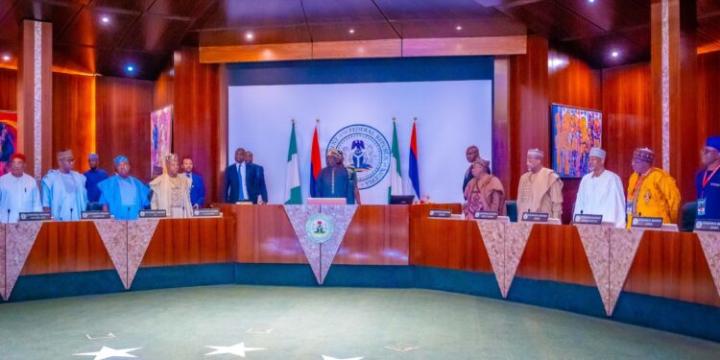
The projects reportedly include major road and transport corridors, renewable and conventional energy initiatives, housing developments, and other strategic facilities expected to enhance productivity and connectivity nationwide. The government noted that the approved PPPs would be executed over varying concession periods, allowing investors to recover costs while maintaining service standards under regulatory supervision.
Briefing journalists after the meeting, senior government officials said the approvals demonstrate the administration’s commitment to creating an enabling environment for private investment. They noted that infrastructure development remains a top priority, as poor transport networks, power shortages, and inadequate public facilities continue to constrain economic activities and increase the cost of doing business.
Reports indicate that the Infrastructure Concession Regulatory Commission played a key role in reviewing the projects, ensuring that they meet due process requirements and align with national development plans. The commission reportedly evaluated the proposals based on value-for-money considerations, risk-sharing frameworks, and the capacity of private partners to deliver on agreed terms.
Economic analysts welcomed the approvals, describing them as a positive signal to investors at a time when Nigeria is seeking to rebuild confidence in its investment climate. They noted that PPPs offer a practical pathway to addressing infrastructure gaps without excessive borrowing, especially amid concerns over rising public debt and limited fiscal space.
Industry experts pointed out that the success of the N6.43 trillion projects will depend largely on transparent implementation, regulatory stability, and effective contract enforcement. They stressed that previous PPP initiatives in Nigeria have faced challenges such as delays, contract disputes, and financing bottlenecks, underscoring the need for strong institutional coordination and political will.
The government acknowledged these concerns, stating that lessons from past projects have informed the current approvals. Officials said improved governance frameworks, clearer concession agreements, and stronger monitoring mechanisms have been put in place to enhance project delivery and protect public interest. They also emphasised that stakeholder engagement, including with host communities, would be prioritised to ensure smooth implementation.
Reports further indicated that the approved PPP projects are expected to generate thousands of jobs during construction and operational phases. By stimulating local industries and supply chains, the projects are projected to contribute to economic diversification and regional development. The government said the infrastructure boost would also improve access to markets, reduce travel time, and enhance overall productivity.
In the energy sector, some of the approved projects are expected to support power generation and transmission, addressing longstanding challenges that have hindered industrial growth. Improved energy infrastructure, analysts said, would help attract manufacturing investments and support small and medium-sized enterprises struggling with high operating costs.
Transport-related projects are also expected to play a transformative role, particularly in easing congestion, reducing logistics costs, and improving safety. Stakeholders noted that efficient transport infrastructure is critical for trade competitiveness, especially as Nigeria seeks to benefit from regional trade opportunities.
The housing and social infrastructure components of the approvals are expected to address gaps in affordable housing, healthcare, and public facilities. Government officials explained that private sector involvement would help improve design quality, maintenance standards, and service efficiency, ensuring long-term sustainability.
Despite the optimism, some civil society groups urged caution, calling for transparency in project selection and contract terms. They stressed the importance of ensuring that PPP arrangements do not lead to excessive user charges or compromise access for low-income citizens. The government responded by assuring that affordability and social impact assessments form part of the approval process.
The FEC approvals come amid broader economic reforms aimed at improving fiscal discipline, enhancing revenue mobilisation, and encouraging private sector-led growth. Analysts said the N6.43 trillion PPP package aligns with these reforms and could serve as a catalyst for renewed infrastructure investment if effectively executed.
As implementation begins, investors and stakeholders will be watching closely to see how quickly the projects move from approval to execution. Successful delivery, experts noted, could strengthen Nigeria’s credibility in the PPP space and unlock additional private capital for future projects.
Overall, the approval of N6.43 trillion worth of PPP projects represents a significant step in Nigeria’s quest to modernise its infrastructure. If managed transparently and efficiently, the initiatives could help bridge critical infrastructure gaps, boost economic activity, and improve the quality of life for millions of Nigerians while reducing the financial burden on the government.
Support InfoStride News' Credible Journalism: Only credible journalism can guarantee a fair, accountable and transparent society, including democracy and government. It involves a lot of efforts and money. We need your support. Click here to Donate