
Popular Nigerian media mogùl Mo Abudu has come out to celebrate Funke Akindele, Toyin Abraham and Ini Edo over their massive pull at the cinema. Recall that the trio are currently taking over the Nigerian cinemas with their movies, “Behind The Scenes,” “Oversabi Aunty,” and “A Very Dirty Christmas.”
Hailing the Nollywood actresses, Mo Abudu described them as phenomenal queens, praising them for creating magic, breaking barriers and showing the unstoppable strength of women in film.
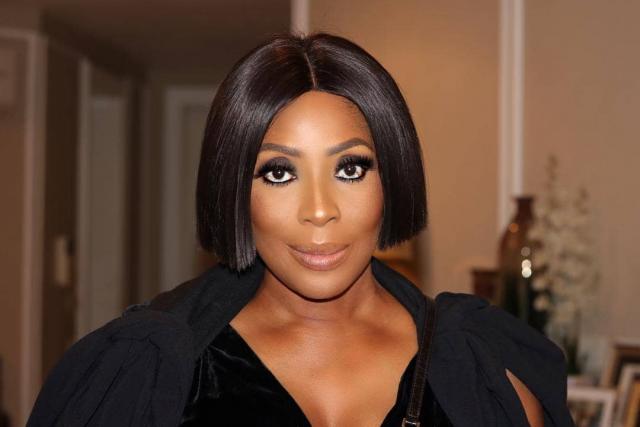
Mo then cheered on Nigerian women for leading, inspiring, and shaping the future of the Nigerian film industry.
Her words, “Good morning, beautiful people!
Today, let’s celebrate the phenomenal queens of the box office lighting up December in Nigeria!
From @FunkeJenifaAkindele’s Behind the Scenes to @Toyin_Abraham’s Oversabi Aunty and @IniEdo’s A Very Dirty Christmas, these incredible women are creating magic, breaking barriers, and showing the unstoppable strength of women in film.
Their stories are captivating audiences everywhere, and you can catch all these films in cinemas nationwide, including @EbonyLifeCinemas. 🎬
Here’s to women leading, inspiring, and shaping the future of the Nigerian film industry.
WomenInFilm
BoxOfficeQueens
CreativePower
EbonyLifeCinemas
LeadingWithStrength.”
WOW.
Nollywood is a sobriquet that originally referred to the Nigerian film industry. The origin of the term dates back to the early 2000s, traced to an article in The New York Times. Due to the history of evolving meanings and contexts, there is no clear or agreed-upon definition for the term, which has made it a subject to several controversies.
The origin of the term “Nollywood” remains unclear; Jonathan Haynes traced the earliest usage of the word to a 2002 article by Matt Steinglass in the New York Times, where it was used to describe Nigerian cinema.
Charles Igwe noted that Norimitsu Onishi also used the name in a September 2002 article he wrote for the New York Times. The term continues to be used in the media to refer to the Nigerian film industry, with its definition later assumed to be a portmanteau of the words “Nigeria” and “Hollywood”, the American major film hub.
Film-making in Nigeria is divided largely along regional, and marginally ethnic and religious lines. Thus, there are distinct film industries – each seeking to portray the concern of the particular section and ethnicity it represents. However, there is the English-language film industry which is a melting pot for filmmaking and filmmakers from most of the regional industries.
Support InfoStride News' Credible Journalism: Only credible journalism can guarantee a fair, accountable and transparent society, including democracy and government. It involves a lot of efforts and money. We need your support. Click here to Donate