
An industrialist has lauded the Dangote Refinery for its recent impact on petrol availability in Nigeria, noting that the facility has significantly eased the chronic fuel shortages that have plagued the country for years. While praising the refinery’s contribution to stabilising petrol supply, the industrialist also urged authorities and marketers to consider reducing diesel prices, highlighting the economic importance of affordable fuel for manufacturing and logistics.
According to the industrialist, the Dangote Refinery, which began operations recently, has enabled over 1,000 trucks to load petrol daily, dramatically improving access and distribution across the nation. This has reportedly led to a reduction in long queues at filling stations, particularly in major commercial hubs. The industrialist described the refinery’s performance as “a game-changer” for both consumers and businesses.
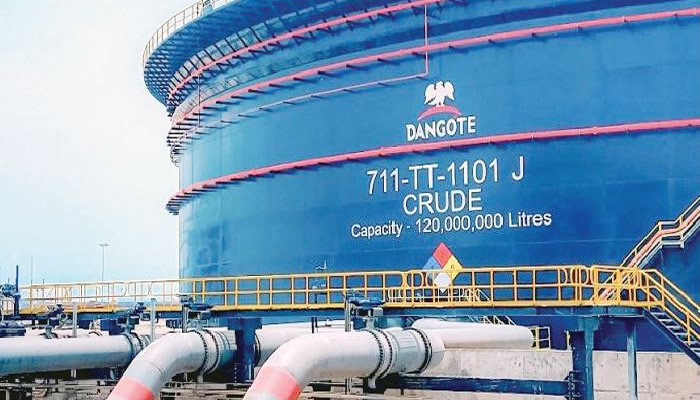
While acknowledging the refinery’s success in boosting petrol supply, the industrialist expressed concern over the high cost of diesel, which remains a critical input for industries, power generation, and transportation. Diesel price stability, the industrialist argued, is essential for reducing production costs, improving competitiveness, and supporting economic growth.
The industrialist suggested that Dangote Refinery’s operational capacity could allow for adjustments in diesel pricing, benefiting manufacturers, transporters, and agricultural operators who rely heavily on the fuel. Affordable diesel, they noted, would reduce operating expenses and help stabilise the prices of goods and services nationwide.
Industry stakeholders have highlighted the broader economic implications of refined fuel supply. Reliable and reasonably priced petroleum products are critical for sustaining industrial output, ensuring uninterrupted power supply, and supporting small and medium-sized enterprises. The industrialist stressed that consistent fuel supply from local refineries like Dangote’s is a step toward achieving energy security and reducing dependence on imported refined products.
The industrialist also commended the refinery for contributing to foreign exchange conservation by reducing the need for imported petrol. This, they noted, aligns with government efforts to stabilise the naira and strengthen the nation’s external reserves. Local refining, they added, helps retain value within the economy and encourages industrialisation.
In addition to supply benefits, the industrialist urged policymakers to consider long-term strategies for ensuring diesel affordability. This includes reviewing pricing policies, encouraging competition among refiners, and exploring subsidies or incentives targeted at essential sectors. A balance, they suggested, must be struck between profitability for refiners and economic sustainability for end-users.
The industrialist further highlighted that stable diesel prices could stimulate investment in the industrial sector, including manufacturing, logistics, and agro-processing. Lower operational costs would enable businesses to expand capacity, create jobs, and contribute more effectively to economic growth and development.
While the focus is often on petrol availability, the industrialist emphasised that diesel remains equally critical, especially for heavy-duty vehicles, power plants, and industries that cannot readily switch to alternative fuels. Addressing the diesel pricing issue, they argued, is necessary to complement the benefits of improved petrol supply.
The industrialist concluded by urging continued collaboration between Dangote Refinery, government agencies, and industrial stakeholders to ensure that fuel supply meets the needs of the economy. They emphasised that sustained investment in local refining capacity, combined with supportive policies, could transform Nigeria’s energy landscape, enhance industrial productivity, and stabilise prices for consumers and businesses alike.
In summary, while celebrating the Dangote Refinery’s contribution to easing petrol scarcity, the industrialist called for targeted interventions to make diesel more affordable, highlighting the broader benefits for industrial growth, economic stability, and national development.
Support InfoStride News' Credible Journalism: Only credible journalism can guarantee a fair, accountable and transparent society, including democracy and government. It involves a lot of efforts and money. We need your support. Click here to Donate