
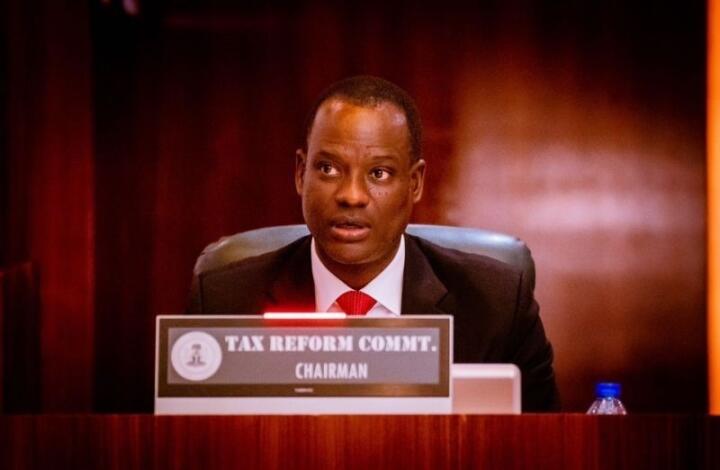
Lagos State has the potential to generate as much as N1 trillion annually from property taxation if its property tax system is properly structured and efficiently implemented, according to tax expert and fiscal policy advocate, Taiwo Oyedele. He made the assertion while speaking on the need for subnational governments to unlock sustainable revenue sources amid declining federal allocations and rising development demands.
Oyedele explained that Lagos, as Nigeria’s commercial nerve centre with one of the largest concentrations of high-value real estate assets in Africa, remains significantly under-taxed in terms of property-related revenue. He noted that while the state has made progress with land use charges and property records, the existing framework still falls far short of its true revenue potential.
According to him, property tax represents one of the most stable and predictable sources of revenue globally because land and buildings are immovable and difficult to conceal. He argued that unlike volatile revenue streams tied to oil prices or economic cycles, property taxation offers governments a reliable base for long-term planning and infrastructure financing.
Oyedele pointed out that Lagos’ rapidly expanding population, urbanisation rate and real estate development have significantly increased property values across the state, particularly in high-end locations such as Ikoyi, Victoria Island, Lekki and emerging corridors along major transport routes. However, he said the tax yield from these assets does not reflect their true market value.
He attributed the gap largely to weak property valuation systems, outdated records and poor compliance. In many cases, he noted, properties are either undervalued or completely excluded from the tax net, while enforcement remains inconsistent. According to him, addressing these issues could unlock hundreds of billions of naira annually without introducing new taxes.
The tax expert stressed that achieving the N1 trillion potential would require comprehensive reforms, starting with a credible and transparent property valuation system. He said valuations should be based on market realities rather than arbitrary assessments, adding that technology-driven mass valuation models could help achieve fairness and efficiency.
Oyedele also emphasised the importance of an accurate and unified property database. He noted that fragmented land records and weak coordination among government agencies have limited the effectiveness of property taxation in Lagos. A centralised digital property register, he said, would improve coverage, reduce leakages and enhance taxpayer confidence.
Beyond systems and data, Oyedele highlighted the need for political will and public trust. He said property tax is often unpopular because citizens do not see a clear link between taxes paid and public services delivered. To address this, he urged the Lagos State Government to demonstrate transparency in the use of property tax revenue and ensure visible improvements in infrastructure, security and social services.
He added that fairness is critical to public acceptance. According to him, property taxation should be progressive, with higher-value properties contributing more, while low-income homeowners and vulnerable groups are protected through exemptions or rebates. This approach, he said, would enhance equity and reduce resistance.
Oyedele also warned against over-reliance on consumption taxes and levies that disproportionately affect the poor. He argued that shifting the revenue burden toward wealth-based taxes such as property tax would promote social justice while strengthening state finances.
Analysts say Lagos’ fiscal pressures continue to mount as demands for infrastructure, transport, housing and public services grow alongside its population. With federal allocations under pressure and borrowing becoming more expensive, internally generated revenue has become increasingly critical for the state’s sustainability.
Property tax reform, observers note, could also improve urban planning and land use efficiency. By properly valuing and taxing underutilised or speculative properties, governments can encourage productive use of land and reduce urban sprawl.
However, experts caution that reform must be carefully managed to avoid unintended consequences, such as excessive tax burdens on middle-income households or discouraging real estate investment. Clear communication, phased implementation and stakeholder engagement, they say, will be essential.
Oyedele maintained that the N1 trillion estimate is realistic when benchmarked against global cities with comparable economic size and property markets. He noted that cities like New York, London and Johannesburg derive a significant portion of their revenues from property taxes, which fund schools, transport systems and local services.
He concluded that Lagos stands at a crossroads, with property tax offering a path to sustainable development if properly harnessed. According to him, the choice is between continuing to struggle with limited revenue or embracing reform that aligns taxation with wealth, growth and long-term urban prosperity.
As discussions around fiscal sustainability intensify, Lagos’ ability to unlock its vast property tax potential may prove decisive in shaping the future of Africa’s largest city and economic hub.
Support InfoStride News' Credible Journalism: Only credible journalism can guarantee a fair, accountable and transparent society, including democracy and government. It involves a lot of efforts and money. We need your support. Click here to Donate