
There was widespread relief across the country as the Dangote Petroleum Refinery announced a 15 per cent reduction in the ex-depot price of Premium Motor Spirit, bringing the cost down to N699 per litre. Reports by Punch and other Nigerian news outlets indicate that the price cut is expected to ease pressure on consumers and businesses grappling with high fuel costs following recent increases in petrol prices.
According to industry sources, the reduction reflects improved operational efficiency at the refinery as well as adjustments in crude supply and production costs. The refinery reportedly communicated the new pricing to marketers, signalling a shift that could translate into lower pump prices at retail outlets, depending on distribution and other logistics-related costs.
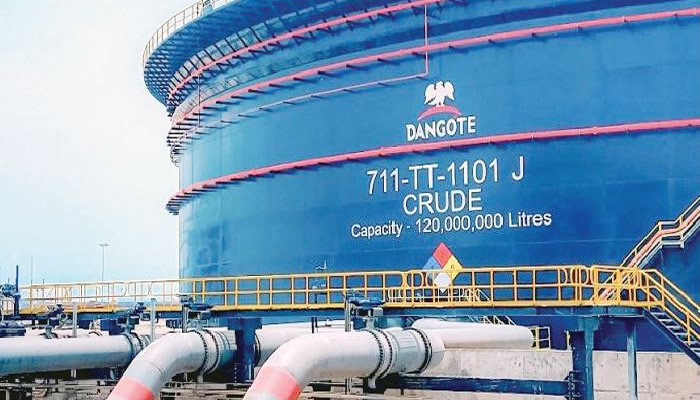
The development comes amid sustained public concern over rising fuel prices, which have driven up transportation fares, food prices, and overall cost of living. Analysts noted that petrol prices have a significant ripple effect across the economy, influencing inflation and household spending. As such, the refinery’s decision was widely welcomed as a positive intervention.
Reports indicate that the Dangote Refinery, which is Africa’s largest single-train refinery, has continued to ramp up production, supplying refined petroleum products to the domestic market. The refinery’s increasing output is seen as a critical factor in reducing Nigeria’s dependence on imported fuel and shielding the market from international price volatility.
Market observers said the price reduction suggests that local refining is beginning to deliver some of its anticipated benefits. By sourcing crude locally and refining domestically, the refinery is able to lower foreign exchange exposure associated with fuel imports. This, analysts said, creates room for more competitive pricing compared with imported products that are subject to exchange rate fluctuations.
The announcement triggered cautious optimism among independent marketers, many of whom have struggled with thin margins and volatile supply conditions. Some marketers indicated that if distribution costs remain stable, the lower ex-depot price could lead to modest reductions in pump prices, offering relief to motorists and transport operators.
Reports further indicated that transport unions and commuter groups welcomed the price cut, expressing hope that it would translate into lower fares. However, some stakeholders cautioned that the impact on transport costs may take time to materialise, as operators consider factors such as existing fuel stock purchased at higher prices.
Economic analysts noted that while the 15 per cent reduction is significant, fuel prices remain relatively high compared to historical levels. They stressed that sustained affordability would depend on consistent supply, stable crude prices, and efficient distribution networks. Nonetheless, they described the price cut as a step in the right direction.
The refinery’s move is also expected to have implications for inflation, which has been driven partly by energy and transportation costs. Lower petrol prices could help moderate inflationary pressures, particularly in the food and services sectors that rely heavily on transportation.
Reports highlighted that the price adjustment comes at a time when the Federal Government is encouraging increased local refining capacity as part of broader energy sector reforms. The operation of the Dangote Refinery is seen as a cornerstone of these efforts, with the potential to reshape Nigeria’s downstream petroleum sector.
Industry experts observed that increased competition from local refiners could compel other suppliers to review their pricing strategies. As domestic refining capacity expands, analysts expect market dynamics to shift, potentially leading to more stable and competitive fuel prices over time.
Despite the positive reaction, some stakeholders urged caution, noting that factors such as distribution costs, taxes, and retailer margins will ultimately determine the final pump price paid by consumers. They called for transparency in pricing and efficient logistics to ensure that the benefits of lower ex-depot prices are passed on to the public.
Reports also noted that the refinery continues to engage with marketers and regulators to ensure smooth distribution of its products nationwide. Improved supply logistics, including access to depots and transport infrastructure, were identified as key to maximising the impact of the price cut.
For many Nigerians, the announcement offered a measure of relief amid ongoing economic pressures. Motorists expressed hope that the reduction would mark the beginning of more stable fuel prices, easing the burden on households and small businesses that depend heavily on petrol.
In summary, the Dangote Refinery’s decision to slash petrol prices by 15 per cent to N699 per litre has been welcomed as a positive development in Nigeria’s energy market. While challenges remain, the move underscores the potential of local refining to enhance supply stability, reduce costs, and provide much-needed relief to consumers in an economy still adjusting to higher energy prices.
Support InfoStride News' Credible Journalism: Only credible journalism can guarantee a fair, accountable and transparent society, including democracy and government. It involves a lot of efforts and money. We need your support. Click here to Donate