
The Independent National Electoral Commission’s (INEC) plan to deploy artificial intelligence, AI, in the electoral process ahead of the 2027 general elections has generated mixed reactions among political stakeholders and civil society groups.
The debate followed an announcement by INEC Chairman, Professor Joash Amupitan, that the commission had established a dedicated AI division within its Information and Communications Technology Department to strengthen result verification and combat digital misinformation.
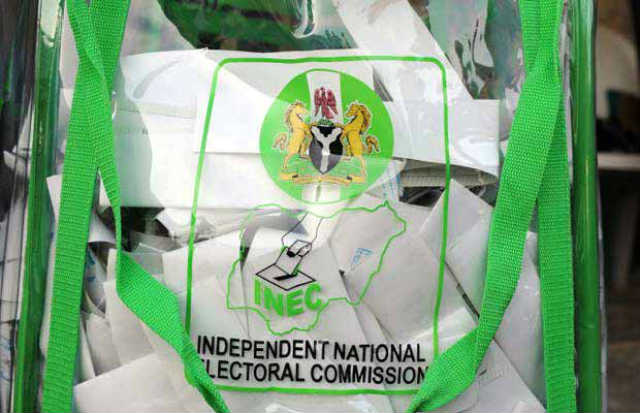
Amupitan said the commission had integrated automated AI auditing tools into its results verification process to identify discrepancies and administrative errors. He added that the technology would operate under human supervision and would not replace established electoral procedures.
According to the commission, the initiative is also intended to strengthen cybersecurity and protect electoral databases against unauthorised access, data manipulation and other digital threats.
However, the proposal has raised concerns among groups that believe INEC must first address existing questions surrounding electoral transparency, result transmission and public confidence in the commission.
The Obidient Movement has rejected the proposed deployment, arguing that INEC had not adequately explained how the technology would work, the problems it was expected to solve or the safeguards against possible abuse.
The movement’s National Coordinator, Yunusa Tanko, called on the commission to publish a comprehensive framework detailing the proposed use of AI and subject the technology to independent scrutiny.
The group also demanded an independent audit of INEC’s electoral technology and called for transparent result transmission, insisting that results should remain traceable to individual polling units.
Similarly, the Yoruba Ronu Leadership Forum expressed reservations about relying on AI for the verification and collation of election results. The group warned that inadequate safeguards could expose the process to risks such as hacking, data manipulation and errors.
It questioned how discrepancies identified by AI systems would be resolved and who would have the final authority when the technology flagged a result for further examination.
The concerns come against the backdrop of controversy surrounding the electronic upload of presidential election results during the 2023 general elections, when technical problems affected the uploading of results to INEC’s Result Viewing Portal, IReV.
Despite the criticism, INEC has maintained that AI is intended to support, rather than replace, human decision-making and existing electoral procedures.
The commission’s proposed governance framework is built around human oversight, transparency and accountability, data protection, cybersecurity and public trust.
The debate has therefore centred on whether the technology can improve the accuracy and security of electoral records while ensuring that its operations remain transparent and independently verifiable.
As preparations for the 2027 elections continue, stakeholders are calling for clearer explanations of how AI-generated alerts will be handled, how errors will be corrected and how political parties, observers and voters can verify the integrity of the process.
The effectiveness of the initiative will ultimately depend on how transparently INEC implements the technology and whether it can demonstrate that its use strengthens accountability without undermining confidence in the electoral process.
Support InfoStride News' Credible Journalism: Only credible journalism can guarantee a fair, accountable and transparent society, including democracy and government. It involves a lot of efforts and money. We need your support. Click here to Donate