
Kano State and the Dangote Group have intensified collaboration on large-scale industrial projects as both partners used the ongoing trade fair in Kano to showcase new investments aimed at reviving manufacturing, boosting employment and strengthening the region’s economic profile. The trade fair, which has become one of Nigeria’s most prominent platforms for commercial engagement, provided an opportunity for government officials, investors and business leaders to highlight progress on several initiatives designed to elevate Kano’s status as a leading industrial hub.
Officials from the state government noted that Kano has entered a new phase of industrial expansion with projects focused on agro-processing, manufacturing, energy supply and youth-based entrepreneurship. They emphasised that the administration is committed to restoring the state’s historic position as a centre for commerce and production, leveraging its strategic location and large consumer base to attract both domestic and foreign investment. The government added that ongoing infrastructure upgrades, including road rehabilitation, water supply enhancement and improved power connections within industrial zones, have been key drivers of business interest.
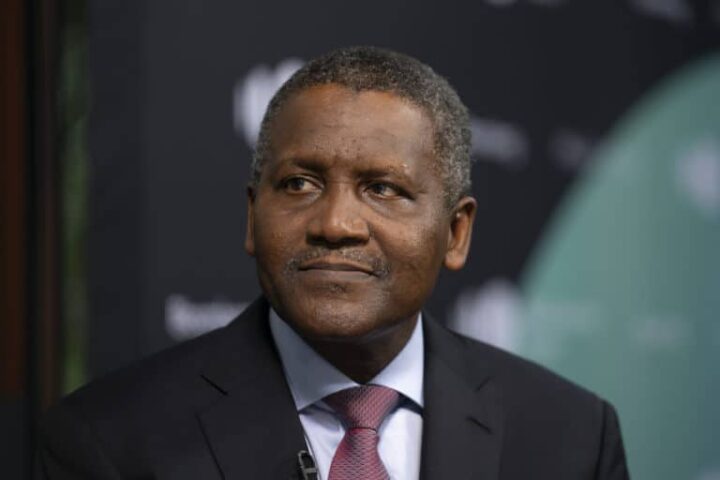
At the trade fair, representatives of the Dangote Group reaffirmed the company’s long-standing commitment to supporting industrial growth in Northern Nigeria. The conglomerate is currently advancing multiple projects across cement, sugar, rice processing, fertiliser and logistics, many of which are expected to significantly impact the economy of Kano and surrounding states. Executives highlighted that the company’s investments are targeted at creating sustainable supply chains, reducing import dependence and providing thousands of jobs for local residents.
One of the major highlights of the event was the renewed cooperation between Kano State and Dangote Industries on expanding agro-processing capacity. The initiatives include investments in rice mills, tomato processing lines, dairy development schemes and fertiliser distribution networks. These projects are designed to strengthen the agricultural value chain, support local farmers and ensure consistent access to industrial-grade inputs. Agricultural groups at the fair noted that this collaboration could transform the region’s farming landscape by improving yields, reducing post-harvest losses and opening new markets for producers.
Manufacturing remains a central theme in the partnership, with both the state and Dangote announcing new steps to support production, particularly within the Bompai and Challawa industrial estates. The state government confirmed that work is progressing on revitalising abandoned factories, attracting new investors and providing incentives such as tax relief, land allocation and regulatory support. Dangote officials added that the company is focusing on increasing its production footprint in areas such as packaging, transport solutions and consumer goods, which would further stimulate supply chains across the North.
Energy supply—a long-standing obstacle to industrialisation—also featured prominently in the discussions at the fair. The state government outlined plans to upgrade power infrastructure, expand renewable energy options and support independent power projects that would supply industrial clusters. Dangote representatives backed these plans, noting that stable and affordable electricity remains essential for competitiveness. They stressed that the company is ready to partner on energy solutions that would help manufacturers reduce costs and operate more efficiently.
Traders, exhibitors and industry experts at the trade fair praised the growing synergy between Kano and Dangote, stating that such partnerships are crucial for addressing unemployment and repositioning the North as a vibrant industrial hub. Many participants observed that the renewed focus on value-added production aligns with national economic priorities and global trends toward regional manufacturing ecosystems. With the African Continental Free Trade Area opening new trade opportunities, stakeholders believe Kano is well-positioned to become a major export-processing centre if current projects are sustained.
Small and medium enterprises (SMEs), a significant part of Kano’s commercial landscape, expressed optimism about the new industrial direction. They noted that improved infrastructure, better access to raw materials and the expansion of large-scale industries could create more opportunities for local suppliers and service providers. Business owners urged the government to follow through on its promises of concessional financing, SME support programmes and capacity-building initiatives to ensure that smaller enterprises also benefit from the growing industrial momentum.
The trade fair also served as a platform for investment matchmaking, with the state government engaging potential partners interested in manufacturing, agribusiness, textiles, pharmaceuticals, construction materials and technology-driven enterprises. Officials highlighted that Kano’s young population, rich commercial culture and strategic link to neighbouring countries offer investors strong prospects for growth. Several private firms signed preliminary agreements for collaboration, signalling expanding interest in the state’s evolving industrial ecosystem.
Governor Yusuf’s administration reiterated that its goal is to build an economy anchored on production rather than consumption. The government emphasised that ongoing collaborations with the Dangote Group and other major investors will play a critical role in achieving this vision. It stressed that industrial expansion remains a top priority, alongside education, security and infrastructure renewal.
For Dangote Group, the trade fair provided an opportunity to reaffirm its commitment to northern economic development and to outline upcoming projects that will deepen its presence in the region. Company representatives expressed confidence that with supportive policies and improved stability, Kano can regain its position as a powerhouse of industry and commerce in West Africa.
As the trade fair concluded, participants agreed that the renewed collaboration between Kano and Dangote represents a turning point in the state’s industrial journey. With major projects already in motion and more investment agreements expected in the near future, stakeholders believe Kano is on track to re-establish itself as a vibrant centre for manufacturing, agriculture and trade—driving broader economic transformation across Northern Nigeria.
Support InfoStride News' Credible Journalism: Only credible journalism can guarantee a fair, accountable and transparent society, including democracy and government. It involves a lot of efforts and money. We need your support. Click here to Donate