
The Nigerian Ports Authority (NPA) has announced a strategic initiative aimed at connecting local producers with international markets, a move designed to boost exports, strengthen the nation’s trade capacity, and promote industrial growth. The initiative seeks to streamline export processes, improve logistics efficiency, and provide local manufacturers with greater access to global supply chains.
According to NPA officials, the programme will leverage the country’s port infrastructure, modern cargo handling systems, and digital platforms to facilitate smoother and faster movement of goods from Nigerian producers to overseas buyers. By reducing bottlenecks and improving port efficiency, the authority hopes to lower the cost of exports, enhance competitiveness, and encourage more small and medium-sized enterprises (SMEs) to participate in international trade.
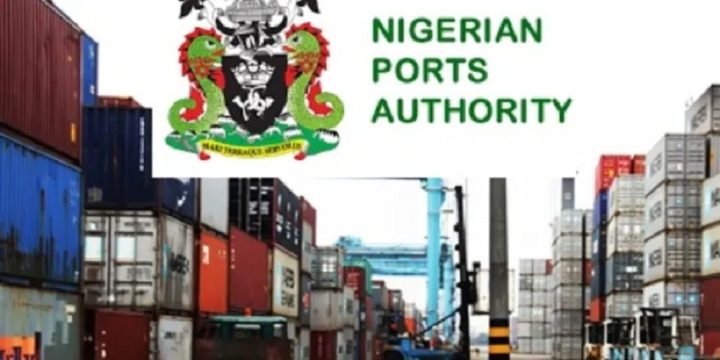
The initiative is part of broader government efforts to diversify Nigeria’s economy, reduce dependence on oil revenues, and stimulate industrialisation. Officials explained that enabling local producers to reach international markets can significantly increase foreign exchange earnings, support job creation, and stimulate investment in manufacturing sectors such as agriculture, textiles, and processed goods.
Industry experts highlighted that Nigeria possesses vast untapped potential in sectors such as agro-processing, solid minerals, and light manufacturing. However, many local businesses struggle to penetrate global markets due to logistical challenges, high export costs, and limited knowledge of international standards and requirements. The NPA’s intervention aims to address these gaps by providing guidance, improving port services, and fostering partnerships that can facilitate smoother trade operations.
The authority also intends to collaborate with trade associations, chambers of commerce, and export promotion agencies to identify high-potential exporters and provide them with technical support. This may include assistance with compliance to international quality standards, documentation processes, customs procedures, and market intelligence to help producers tailor products for global demand.
Port officials emphasised that the initiative is not limited to large-scale producers; SMEs and emerging businesses are also targeted. By opening access to international buyers and providing platforms for trade facilitation, the NPA hopes to integrate smaller producers into export networks, thereby promoting inclusive growth. Some of the planned interventions include streamlined customs clearance, dedicated export cargo terminals, and digital tracking systems to reduce delays and enhance transparency.
Analysts noted that this move could have far-reaching implications for Nigeria’s economic landscape. Increasing exports of locally manufactured goods can help reduce the trade deficit, strengthen the naira, and support broader economic stability. It also aligns with government policies aimed at enhancing the ease of doing business and creating a more export-oriented industrial base.
Experts in trade and logistics emphasised that success will depend on effective coordination among ports, regulatory agencies, and exporters. Ensuring reliable infrastructure, timely customs procedures, and efficient cargo handling will be critical to making Nigerian products competitive in the international market. Investment in modern port technologies and training for staff is expected to be part of the NPA’s strategy to sustain long-term improvements in export facilitation.
The NPA initiative is also expected to encourage foreign investment. Global companies seeking sourcing partners in Africa are more likely to engage with Nigerian producers if there is confidence in the efficiency and reliability of port services. By strengthening the link between domestic production and international trade, Nigeria stands to gain both in terms of foreign direct investment and enhanced industrial output.
Officials stressed that the programme will also provide exporters with access to market intelligence and trends, enabling producers to adapt their offerings to meet the preferences of international consumers. This could include training on packaging standards, labeling requirements, and product certifications required by different markets. Such measures are expected to raise the overall quality of Nigerian exports and strengthen the country’s reputation abroad.
For local producers, the initiative represents a unique opportunity to expand their businesses beyond domestic borders. Many SMEs and industrial players have long sought avenues to scale operations and tap into growing global demand for African products. By bridging gaps in logistics, regulatory compliance, and market access, the NPA aims to remove barriers that have traditionally hindered exports.
In conclusion, the NPA’s new strategy to connect local producers with international markets represents a significant step toward strengthening Nigeria’s trade and industrial capacity. By enhancing port efficiency, providing technical support to exporters, and facilitating smoother access to global markets, the initiative promises to boost industrial growth, increase foreign exchange earnings, and position Nigeria as a more competitive player in global trade. If successfully implemented, it could serve as a catalyst for broader economic diversification and sustainable development, benefiting producers, investors, and the national economy.
Support InfoStride News' Credible Journalism: Only credible journalism can guarantee a fair, accountable and transparent society, including democracy and government. It involves a lot of efforts and money. We need your support. Click here to Donate