
The House of Representatives has begun moves to introduce new regulatory measures that will strengthen legislative oversight of the Central Bank of Nigeria (CBN), following growing concerns about the bank’s operational transparency, compliance with statutory provisions, and adherence to monetary policy guidelines. Lawmakers said the initiative is aimed at ensuring greater accountability within the apex bank, especially in light of recent economic developments and past controversies surrounding its policy decisions and financial interventions.
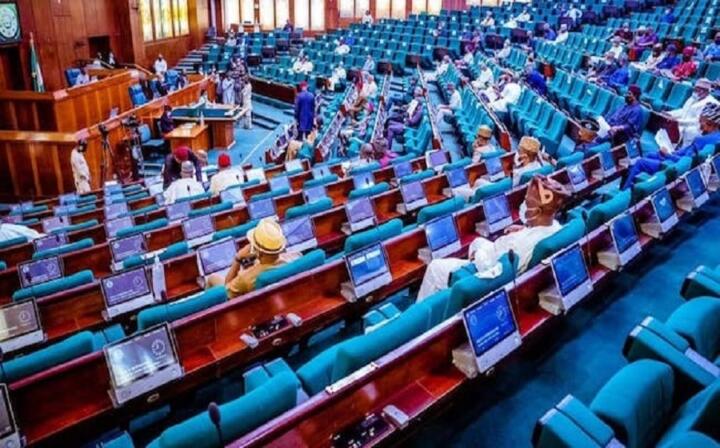
During a recent plenary session, members of the House expressed the need to reassess the legal framework guiding the CBN’s activities, noting that certain provisions in the existing laws may no longer align with current economic realities. The legislators argued that although the CBN plays a crucial role in maintaining monetary stability, its operations must be subject to effective checks and balances to safeguard public interest and ensure that regulatory decisions do not conflict with national economic objectives.
The proposed move includes reviewing sections of the CBN Act that grant the bank a high degree of operational independence. Lawmakers said the autonomy of the apex bank must not translate into an environment devoid of accountability. Several members pointed out that some of the CBN’s past decisions, particularly those involving intervention funds, foreign exchange management, and currency redesign, raised questions about procedural compliance and the adequacy of legislative oversight.
According to sponsors of the motion, the review aims to ensure that major CBN actions—especially those with far-reaching economic implications—receive legislative scrutiny. They noted that this would help prevent unilateral policies that could distort market conditions, affect businesses, or impose unforeseen hardships on citizens. The lawmakers maintained that a properly regulated monetary authority is essential for maintaining public trust and stabilising the financial system.
Debate on the floor of the House highlighted multiple instances in which the CBN’s actions attracted public concern. Members cited issues such as unclear intervention disbursements, inconsistent FX policies, liquidity shortages, and the controversial currency redesign programme as examples that justify enhanced oversight. They insisted that parliament must play a stronger role in monitoring such decisions, ensuring they remain lawful, transparent, and economically sound.
The lawmakers also argued that the proposed oversight reforms would not undermine the CBN’s ability to implement monetary policy. Instead, they said regulation would help ensure that decisions remain aligned with national priorities and avoid potential misuse of regulatory powers. They stressed that accountability should be viewed as a necessary component of institutional credibility rather than a limitation.
The House Committee on Banking and Currency has been tasked with leading the review process. The committee is expected to consult economic experts, financial regulators, former CBN officials, and stakeholders in the banking sector to gather insight on the appropriate adjustments needed in the regulatory framework. The consultations are also expected to examine global best practices regarding central bank governance and oversight mechanisms.
Industry experts commented that increased oversight could strengthen public confidence in the apex bank, provided it is conducted responsibly and without political interference. They noted that central bank independence is important for maintaining monetary stability, but oversight mechanisms are equally vital to ensuring that the institution’s powers are not abused. According to analysts, many advanced economies maintain a balance between independence and accountability through structured supervision by legislative bodies.
Some economic commentators have welcomed the initiative, observing that Nigeria’s financial landscape has experienced periods of uncertainty tied to abrupt policy shifts. They argued that structured legislative oversight could introduce greater policy consistency, improve coordination between fiscal and monetary authorities, and reduce shocks to the economy.
However, others cautioned against excessive intrusion into the CBN’s operations, warning that overregulation may create bottlenecks that hinder the bank’s ability to respond swiftly to economic challenges. They emphasised the need for reforms that protect institutional independence while reinforcing transparency and accountability.
Civil society groups have also expressed interest in the House’s proposal, noting that past CBN actions have significantly impacted the economy and therefore require closer scrutiny. They urged the committee handling the review to ensure that the exercise prioritises national interest over political considerations.
The House resolved that any proposed amendments to the CBN Act will undergo extensive public hearings before they are finalised. Legislators emphasised that the review process must remain open, inclusive, and guided by expert opinion to achieve meaningful reform.
As the process unfolds, stakeholders across the financial sector will be closely monitoring developments to assess how the proposed oversight reforms may affect monetary policy implementation, financial stability, investor confidence, and the overall economy. The move by the House signals a renewed effort to strengthen Nigeria’s institutional frameworks and ensure that key economic regulators operate within transparent and accountable systems that support national development objectives.
Support InfoStride News' Credible Journalism: Only credible journalism can guarantee a fair, accountable and transparent society, including democracy and government. It involves a lot of efforts and money. We need your support. Click here to Donate