
The Central Bank of Nigeria has generated N192 million from penalties imposed on 82 Bureau de Change operators over regulatory infractions, reinforcing the apex bank’s resolve to sanitise the foreign exchange market and enforce compliance within the sub-sector. The development reflects intensified supervisory actions by the CBN amid ongoing reforms aimed at restoring transparency, stability and confidence in the country’s foreign exchange framework.
According to information from regulatory sources, the affected BDC operators were sanctioned for various breaches of operational guidelines, including non-compliance with reporting requirements, failure to render statutory returns, and other violations related to the conditions attached to their operating licences. The penalties, paid into the CBN’s coffers, form part of broader enforcement measures to ensure discipline and accountability among licensed operators.
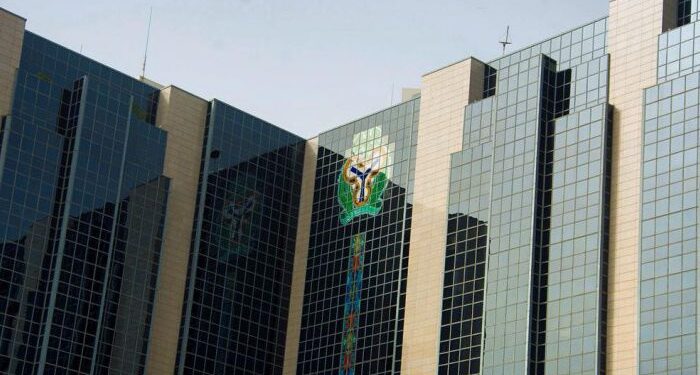
The CBN has, in recent months, stepped up oversight of Bureau de Change activities as part of efforts to curb speculation, round-tripping and other practices believed to contribute to volatility in the foreign exchange market. The regulator has repeatedly warned that operators who fail to adhere strictly to the rules governing their operations risk financial sanctions, suspension or outright revocation of their licences.
Industry insiders say the sanctions followed routine compliance examinations and special audits conducted by the apex bank. These reviews reportedly uncovered lapses ranging from weak internal controls and record-keeping deficiencies to breaches of anti-money laundering and know-your-customer obligations. The CBN has consistently emphasised that BDCs play a sensitive role in the retail foreign exchange segment and must operate within clearly defined boundaries.
The enforcement action comes against the backdrop of the CBN’s ongoing restructuring of the BDC segment. In recent years, the apex bank has introduced stricter capital requirements, operational guidelines and reporting standards for BDC operators, aimed at reducing the number of weak players and strengthening the integrity of the sector.
A senior official at the CBN noted that the objective of the sanctions is not revenue generation but deterrence. According to the official, penalties are meant to send a clear signal that regulatory breaches will not be tolerated, particularly at a time when the foreign exchange market is undergoing significant reforms.
The official added that compliance is critical to achieving the CBN’s broader goal of a more transparent and efficient foreign exchange system. By enforcing rules consistently, the bank aims to reduce market distortions and ensure that licensed operators contribute positively to price discovery and liquidity.
Market analysts say the N192 million collected from the 82 BDC licensees underscores the scale of non-compliance within the sub-sector and highlights the need for stronger governance among operators. They argue that many BDCs have struggled to adapt to tighter regulations, especially those related to reporting and compliance costs.
Some BDC operators, however, have expressed concerns about the financial strain posed by repeated penalties, particularly in a challenging operating environment marked by limited access to foreign exchange and declining margins. They have called for greater engagement between the regulator and operators to clarify expectations and address operational bottlenecks.
Despite these concerns, the CBN has maintained that compliance with regulations is non-negotiable. The apex bank has reiterated that BDCs must operate strictly within their approved scope, which includes selling foreign exchange to end-users for eligible purposes and maintaining proper transaction records.
The sanctions also align with the CBN’s broader anti-money laundering and counter-terrorism financing agenda. Regulators have repeatedly warned that weak controls within the BDC segment could expose the financial system to abuse, including illicit financial flows and currency speculation.
In addition to financial penalties, the CBN has previously taken tougher actions against erring operators, including suspending licences and publishing the names of sanctioned BDCs. Observers say such measures have helped improve compliance levels, although challenges persist.
The CBN has encouraged BDC operators to invest in training, technology and compliance systems to meet regulatory expectations. It has also urged them to collaborate with law enforcement and other stakeholders in reporting suspicious transactions and maintaining market integrity.
Analysts believe sustained enforcement will be crucial to the success of Nigeria’s foreign exchange reforms. They note that confidence in the FX market depends not only on policy direction but also on the behaviour of market participants, including BDCs, banks and other authorised dealers.
As the apex bank continues to recalibrate its foreign exchange policies, stakeholders expect closer scrutiny of operators and stricter enforcement of rules. The CBN has made it clear that operators unwilling or unable to comply with regulations will be edged out of the system.
The collection of N192 million from 82 BDC licensees therefore represents more than a financial inflow for the CBN; it signals a renewed determination to enforce discipline, promote transparency and ensure that all participants in the foreign exchange market operate within the bounds of the law.
Support InfoStride News' Credible Journalism: Only credible journalism can guarantee a fair, accountable and transparent society, including democracy and government. It involves a lot of efforts and money. We need your support. Click here to Donate