
Nollywood actress Georgina Onuoha has blasted the alleged assault and public humiliation of filmmaker Don Pedro Obaseki. She recently described the incident as painful and unacceptable, and fans have been reacting.
According to her, Obaseki was a respected figure in Nigeria’s creative and cultural space, and watching him get dragged through the streets of Benin City was heartbreaking.
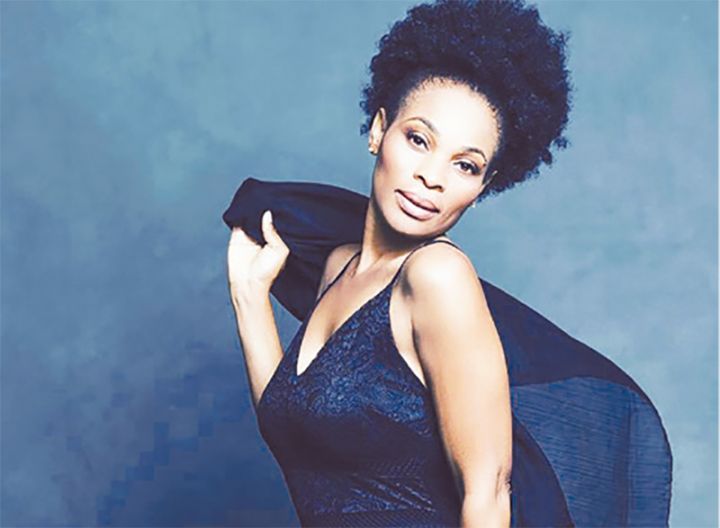
Georgina added that Nigeria is a democracy, so citizens should have the right to disagree without being publicly humiliated.
Her words, “This morning I woke up to a video of Don Pedro Obaseki being dragged through the streets of Benin City and it broke me.
Don Pedro Obaseki is not just a director. He is an oracle in the Nigerian arts industry. A custodian of culture. A man who carried the history and dignity of the Benin people across generations.
I had the privilege of working with him in the early 2000s on his stage play Obaseki, alongside RMD (Richard Mofe-Damijo) @mofedamijo and Stella Damasus @stelladamasus where I played Ebosa, the youngest wife the king. That production shaped who I am as a stage actor.
To see this same man treated like a criminal by thugs is shameful, barbaric, and unacceptable.
Nigeria is a democracy. People have the right to speak. They have the right to disagree without being publicly humiliated and dehumanized.
I call on the Edo State Government, the DSS, and the Nigerian Government: arrest and prosecute everyone involved. This is not just about Don Pedro Obaseki. It is about our culture, our dignity, and our national conscience.
I am pained. I am angry. And no one with a conscience should be silent. This injustice must not stand.”
WOW.
Nollywood is a sobriquet that originally referred to the Nigerian film industry. The origin of the term dates back to the early 2000s, traced to an article in The New York Times. Due to the history of evolving meanings and contexts, there is no clear or agreed-upon definition for the term, which has made it a subject to several controversies.
The origin of the term “Nollywood” remains unclear; Jonathan Haynes traced the earliest usage of the word to a 2002 article by Matt Steinglass in the New York Times, where it was used to describe Nigerian cinema.
Charles Igwe noted that Norimitsu Onishi also used the name in a September 2002 article he wrote for the New York Times. The term continues to be used in the media to refer to the Nigerian film industry, with its definition later assumed to be a portmanteau of the words “Nigeria” and “Hollywood”, the American major film hub.
Film-making in Nigeria is divided largely along regional, and marginally ethnic and religious lines. Thus, there are distinct film industries – each seeking to portray the concern of the particular section and ethnicity it represents. However, there is the English-language film industry which is a melting pot for filmmaking and filmmakers from most of the regional industries.
Support InfoStride News' Credible Journalism: Only credible journalism can guarantee a fair, accountable and transparent society, including democracy and government. It involves a lot of efforts and money. We need your support. Click here to Donate