
In a country grappling with evolving drug-related challenges, a major milestone has emerged in the fight against narcotics and substance abuse. The National Drug Law Enforcement Agency (NDLEA) has announced that it secured an impressive 974 convictions in the first quarter (Q1) of 2026 alone. This figure not only underscores the agency’s renewed intensity but also reflects a broader shift in Nigeria’s enforcement and judicial approach to drug crimes.
A Strong Start to 2026
The first three months of 2026 have set a decisive tone for NDLEA’s operations. With nearly a thousand convictions recorded between January and March, the agency has demonstrated a clear commitment to tightening its grip on drug trafficking networks and illicit substance distribution across the country.
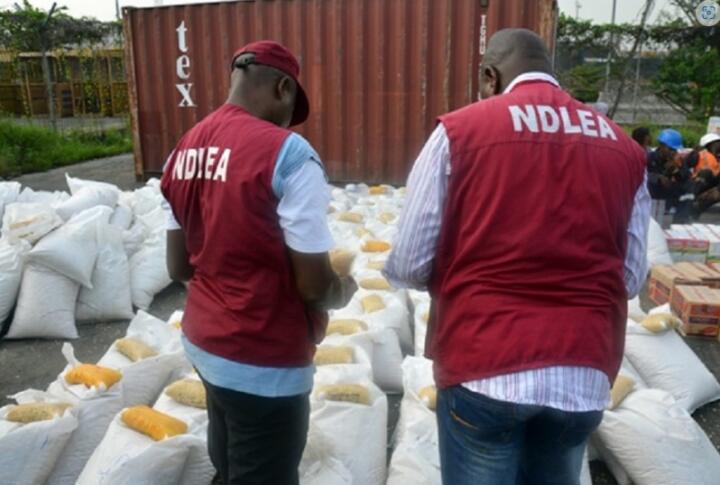
This surge in convictions is not happening in isolation. It is the result of coordinated intelligence gathering, improved surveillance systems, and strengthened collaboration with other law enforcement bodies and the judiciary. Compared to previous years, the Q1 performance signals a more aggressive and structured approach to tackling drug-related offenses.
For many observers, this milestone is more than just a statistic—it is evidence that Nigeria is beginning to translate anti-drug rhetoric into tangible results.
What’s Driving the Numbers?
Several factors appear to be fueling this spike in successful prosecutions.
First, there has been a noticeable improvement in case handling and legal processes. In the past, delays in prosecution and weak evidence chains often hindered convictions. However, NDLEA’s recent investments in training, forensic capabilities, and case management systems have significantly improved conviction rates.
Second, the agency has intensified its nationwide operations. From major urban centers to border communities, NDLEA operatives have expanded their reach, intercepting drug shipments and dismantling local distribution hubs. Airports, seaports, and highways have all seen increased monitoring, making it more difficult for traffickers to operate undetected.
Third, public awareness campaigns have also played a role. As more Nigerians become aware of the dangers of drug abuse and the legal consequences tied to it, there has been a gradual increase in community cooperation. Tips and intelligence from citizens have contributed to several successful arrests and prosecutions.
Beyond Enforcement: The Bigger Picture
While 974 convictions is a significant achievement, it also raises important questions about the broader context of drug use and trafficking in Nigeria.
On one hand, the high number of convictions suggests that law enforcement is becoming more effective. On the other hand, it also points to the scale of the drug problem itself. A large number of cases reaching conviction stage indicates that drug-related activities remain widespread and deeply rooted.
This dual reality highlights the need for a balanced approach—one that combines strict enforcement with prevention and rehabilitation.
Experts argue that while cracking down on traffickers is essential, equal attention must be given to addressing the demand side of the equation. Substance abuse, particularly among young people, continues to be a growing concern. Without adequate education, mental health support, and rehabilitation programs, the cycle of drug use and crime may persist.
The Role of the Judiciary
Another critical element in this success story is the role of Nigeria’s judicial system. Securing 974 convictions within a single quarter would not have been possible without efficient court processes and collaboration between prosecutors and judges.
In recent times, there has been a push for faster adjudication of drug-related cases. Special courts and streamlined procedures have helped reduce case backlogs, ensuring that offenders are tried and sentenced without unnecessary delays.
This synergy between NDLEA and the judiciary is a key factor that could sustain or even improve conviction rates in the coming months.
Implications for National Security
Drug trafficking is not just a public health issue—it is also a national security concern. Illicit drug trade is often linked to organized crime, money laundering, and even terrorism financing.
By securing a high number of convictions, NDLEA is not only removing offenders from the streets but also disrupting larger criminal networks. Each successful prosecution sends a strong message that Nigeria is becoming a less hospitable environment for drug cartels.
This has broader implications for the country’s stability and international reputation. A tougher stance on drug crimes can enhance Nigeria’s standing in global security and law enforcement circles, potentially attracting more cooperation and support from international partners.
Challenges That Remain
Despite the progress, challenges still exist. Drug trafficking networks are highly adaptive, constantly changing their methods to evade detection. The rise of synthetic drugs and online distribution channels presents new hurdles for enforcement agencies.
Additionally, overcrowded correctional facilities and limited rehabilitation infrastructure pose long-term concerns. Without proper reintegration programs, convicted individuals may return to the same cycles that led to their offenses in the first place.
There is also the issue of funding and resources. Sustaining high levels of enforcement requires continuous investment in technology, personnel, and training.
Looking Ahead
The 974 convictions recorded in Q1 2026 represent a strong start, but they are only part of a much larger journey. For NDLEA, the challenge now is to maintain this momentum while evolving its strategies to meet emerging threats.
Going forward, success will likely depend on a multi-pronged approach—one that combines enforcement, education, rehabilitation, and community engagement.
If the current trajectory continues, Nigeria could see a significant reduction in drug-related crimes over time. However, this will require consistent effort, policy support, and collaboration across all levels of society.
Final Thoughts
The achievements of the National Drug Law Enforcement Agency in the first quarter of 2026 mark a pivotal moment in Nigeria’s fight against drugs. While the numbers are impressive, they also serve as a reminder of the work that still lies ahead.
In the battle against drug abuse and trafficking, there are no quick fixes. But with sustained commitment and a holistic strategy, milestones like this could become the norm rather than the exception.
Support InfoStride News' Credible Journalism: Only credible journalism can guarantee a fair, accountable and transparent society, including democracy and government. It involves a lot of efforts and money. We need your support. Click here to Donate