
The Comptroller-General of the Nigeria Customs Service (NCS) has intensified the agency’s crackdown on smuggling activities across the country, declaring an all-out war on economic saboteurs as operatives intercepted Premium Motor Spirit (PMS) valued at over ₦93 million in Adamawa State. The latest seizure underscores the agency’s renewed commitment to curbing the illegal movement of petroleum products across Nigeria’s borders, particularly in regions prone to cross-border smuggling.
According to officials, the interception was carried out by vigilant customs operatives acting on credible intelligence. The seized petroleum products, commonly referred to as petrol, were reportedly being transported through unauthorized routes with the intention of being smuggled into neighboring countries where fuel prices are significantly higher. This price disparity has long fueled smuggling operations, making border communities hotspots for illicit trade.
Speaking on the development, the Comptroller-General emphasized that the Nigeria Customs Service will no longer tolerate activities that undermine the nation’s economy. He described smuggling as a major threat to national revenue, energy security, and overall economic stability. By diverting subsidized petroleum products meant for domestic consumption, smugglers not only deprive Nigerians of essential resources but also inflict financial losses on the government.
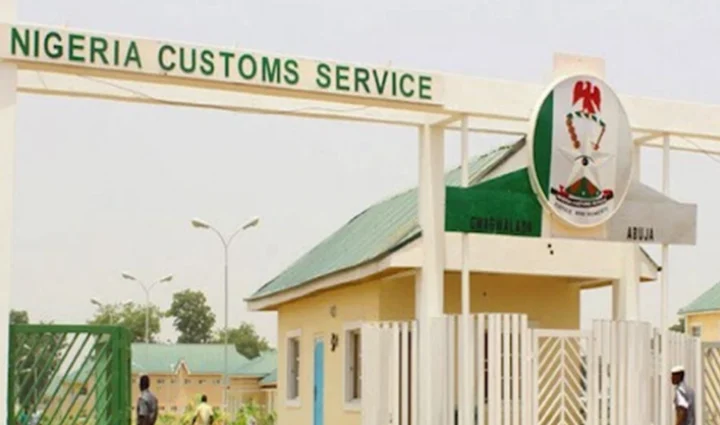
The Adamawa operation is part of a broader nationwide strategy aimed at tightening border surveillance and strengthening enforcement mechanisms. The Customs Service has increased patrols, deployed advanced monitoring technologies, and enhanced collaboration with other security agencies to ensure that smugglers are effectively tracked and apprehended. Officials noted that intelligence gathering has been significantly improved, allowing for more targeted and successful operations.
Reports indicate that the seized PMS was packaged in multiple containers and concealed to evade detection. However, customs officers were able to identify suspicious movements and intercept the consignment before it could reach its intended destination. Authorities confirmed that investigations are ongoing to identify and apprehend individuals behind the smuggling attempt.
The Comptroller-General reiterated that the agency’s efforts are not solely focused on seizures but also on dismantling the networks that facilitate smuggling. He stressed the importance of prosecuting offenders to serve as a deterrent to others involved in similar activities. According to him, enforcement alone is not enough; there must be consequences for those who choose to engage in illegal trade.
In recent months, the Nigeria Customs Service has recorded several high-profile seizures of petroleum products and other contraband goods across different states. These operations reflect a consistent pattern of enforcement aimed at safeguarding Nigeria’s economic interests. The agency has also intensified public awareness campaigns to educate citizens on the negative impact of smuggling and encourage cooperation with law enforcement.
Economic analysts have long pointed out that fuel smuggling remains a persistent challenge due to price differences between Nigeria and its neighboring countries. While Nigeria has historically subsidized fuel to make it affordable for citizens, these subsidies have inadvertently created opportunities for arbitrage, where smugglers profit from selling Nigerian fuel abroad at higher prices. This practice not only drains government resources but also contributes to fuel scarcity in local markets.
The Customs Service has called on residents of border communities to support its efforts by providing timely information on suspicious activities. Community involvement, officials say, is crucial in combating smuggling, as locals are often the first to notice unusual movements. The agency has assured informants of confidentiality and protection, encouraging greater participation in the fight against economic crimes.
Furthermore, the Comptroller-General highlighted the need for sustained collaboration between government agencies, including the military, police, and regulatory bodies. By working together, these institutions can create a more coordinated and effective response to smuggling operations. Joint task forces have already been deployed in several regions, yielding positive results in recent enforcement actions.
The seized PMS in Adamawa has been secured, and arrangements are being made for its proper disposal or redistribution in line with government regulations. Authorities emphasized that all recovered products will be handled transparently to ensure accountability and prevent misuse.
As the Nigeria Customs Service continues to ramp up its anti-smuggling campaign, the message from its leadership remains clear: the era of unchecked smuggling is coming to an end. With increased vigilance, improved intelligence, and stronger enforcement, the agency aims to protect Nigeria’s economic interests and ensure that resources meant for citizens are not diverted for illicit gain.
The declaration of war on smugglers marks a decisive step in addressing a long-standing issue that has affected the nation’s economy. While challenges remain, the recent seizure in Adamawa demonstrates that progress is being made, and authorities are determined to sustain the momentum in the fight against smuggling.
Support InfoStride News' Credible Journalism: Only credible journalism can guarantee a fair, accountable and transparent society, including democracy and government. It involves a lot of efforts and money. We need your support. Click here to Donate