
Nigeria’s petrol consumption reached an estimated 4.93 billion litres in the first quarter of the year, highlighting the country’s continued reliance on Premium Motor Spirit (PMS) as a primary energy source for transportation and power generation. The figure, which reflects nationwide demand over a three-month period, underscores both the scale of domestic fuel usage and the structural challenges within Nigeria’s energy sector.
Data associated with the report aligns with supply and distribution patterns overseen by the Nigerian National Petroleum Company Limited (NNPCL), the entity responsible for managing fuel imports and distribution following the deregulation of the downstream sector. While the exact breakdown of monthly consumption figures may vary, the cumulative total suggests an average daily consumption running into tens of millions of litres.
To contextualise the number, dividing 4.93 billion litres over approximately 90 days in a quarter results in an average daily consumption of about 54.8 million litres. This level of demand is broadly consistent with historical estimates previously reported by industry stakeholders, though actual figures often fluctuate depending on supply conditions, seasonal demand, and pricing dynamics.
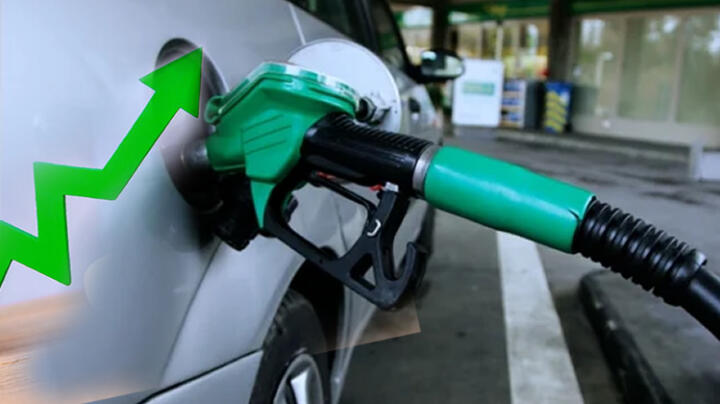
Industry analysts note that petrol consumption in Nigeria remains high due to several structural factors. Chief among these is the country’s heavy dependence on petrol-powered generators, driven by inconsistent electricity supply. Many households and businesses rely on small-scale generators for daily operations, significantly increasing fuel demand beyond what would typically be expected from transportation alone.
In addition, Nigeria’s large and growing population contributes to sustained demand for petrol. With limited public transportation infrastructure in many areas, a significant proportion of the population depends on private vehicles and commercial transport services, both of which rely heavily on PMS. This further amplifies overall consumption levels.
However, experts caution that consumption figures should be interpreted carefully. Historically, discrepancies have existed between actual domestic consumption and reported supply figures, partly due to smuggling and distribution inefficiencies. Fuel diverted across borders—where prices may be higher—has often inflated apparent consumption levels within Nigeria. While recent reforms and subsidy removal efforts have aimed to reduce such distortions, their full impact is still unfolding.
The removal of fuel subsidies in 2023 marked a major shift in Nigeria’s energy policy, with the government aiming to reduce fiscal pressure and allow market forces to determine pricing. In theory, higher fuel prices should moderate consumption by discouraging waste and reducing arbitrage opportunities. However, demand has remained relatively resilient, suggesting that petrol usage in Nigeria is largely inelastic—meaning consumers have limited alternatives.
Officials from the Nigerian Midstream and Downstream Petroleum Regulatory Authority (NMDPRA) have indicated that monitoring and transparency in fuel distribution have improved in recent months. Enhanced tracking systems and stricter oversight are expected to provide more accurate consumption data over time, helping policymakers make informed decisions.
Despite these efforts, challenges persist. Infrastructure limitations, including inadequate refining capacity and logistics constraints, continue to affect supply stability. Nigeria has historically relied heavily on imported refined petroleum products, although ongoing refinery projects are expected to gradually reduce this dependence.
Economists argue that high petrol consumption has significant implications for the economy. On one hand, it reflects strong energy demand and economic activity. On the other hand, it places pressure on foreign exchange reserves, particularly when imports are required to meet domestic needs. Reducing reliance on imports through local refining and alternative energy sources is therefore seen as a key priority.
Environmental concerns also come into play. High levels of petrol consumption contribute to greenhouse gas emissions and urban air pollution, raising questions about sustainability. As global trends shift toward cleaner energy, Nigeria faces increasing pressure to diversify its energy mix and invest in renewable alternatives.
The transportation sector remains the largest consumer of petrol, but there is growing interest in alternatives such as compressed natural gas (CNG) and electric vehicles. Government initiatives aimed at promoting CNG adoption are already underway, with the goal of reducing dependence on petrol and lowering transportation costs for consumers.
For businesses, high fuel consumption translates into significant operating expenses, particularly in sectors that rely on logistics and power generation. Any fluctuations in fuel supply or pricing can therefore have a direct impact on production costs and profitability. This underscores the importance of stable and efficient fuel distribution systems.
Looking ahead, analysts expect petrol consumption trends to be influenced by several factors, including economic growth, energy reforms, and infrastructure development. Improvements in electricity supply could reduce reliance on generators, while better public transportation systems could ease demand in the long term.
For now, the reported consumption of 4.93 billion litres in the first quarter serves as a clear indicator of Nigeria’s current energy realities. As reforms continue and new policies take shape, the challenge will be to balance demand with sustainability, efficiency, and economic stability.
Support InfoStride News' Credible Journalism: Only credible journalism can guarantee a fair, accountable and transparent society, including democracy and government. It involves a lot of efforts and money. We need your support. Click here to Donate