
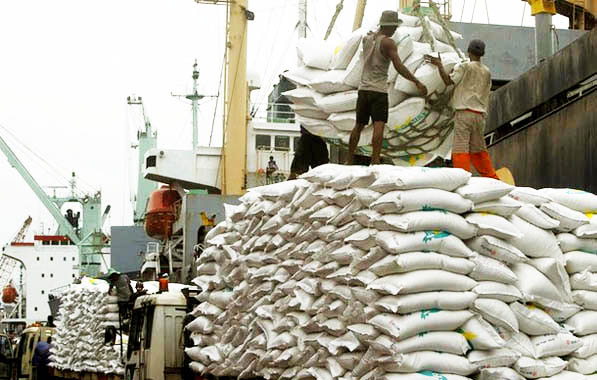
Rice farmers across Nigeria have raised alarm over the growing influx of imported rice, warning that the trend is crippling local production, discouraging investment, and threatening livelihoods in rural communities. The concerns come amid reports that foreign rice—both legally imported and smuggled through porous borders—is flooding local markets, often at prices that undercut domestically produced alternatives.
Stakeholders in the sector say the situation has worsened in recent months, with farmers struggling to sell their harvests due to reduced demand. Many attribute this development to the availability of cheaper imported rice, which consumers often prefer because of its polished appearance and, in some cases, perceived quality advantages. As a result, local producers are facing mounting losses and are unable to recover production costs.
The Rice Farmers Association of Nigeria (RIFAN) has expressed deep concern over the trend, noting that it undermines years of progress made in boosting local rice production. The association pointed out that Nigeria had made significant strides toward self-sufficiency in rice following government interventions aimed at supporting farmers with inputs, financing, and market access. However, the resurgence of imports is reversing these gains.
Farmers in major rice-producing states such as Kebbi, Ebonyi, Niger, and Benue have reported declining sales and increased stockpiles of unsold rice. Many say they are being forced to sell at lower prices, often below cost, just to avoid total losses. This has led to reduced income, making it difficult for farmers to reinvest in the next planting seasons to come. Some have even considered abandoning rice farming altogether in favor of other crops.
Industry experts argue that the issue is closely linked to policy inconsistencies and weak border enforcement. While the Nigerian government has implemented restrictions on rice importation in the past, including border closures and tariff measures, enforcement has been uneven. Smuggling, in particular, remains a major challenge, with large quantities of rice entering the country through unofficial routes.
Officials from the Federal Ministry of Agriculture and Food Security have acknowledged the concerns raised by farmers and reiterated the government’s commitment to protecting local agriculture. According to the ministry, efforts are ongoing to strengthen border controls, support local production, and enhance the competitiveness of Nigerian rice in both price and quality.
However, farmers argue that more immediate and decisive action is needed. They are calling for stricter enforcement of import restrictions, improved access to affordable inputs such as fertilizers and improved seeds, and better infrastructure to reduce post-harvest losses. Many also emphasize the need for stable policies that provide certainty and encourage long-term investment in the sector.
Another challenge facing local rice producers is the high cost of production. Rising prices of fertilizers, fuel, and labor have significantly increased the cost of farming, making it difficult for local rice to compete with imported varieties. In addition, inadequate processing facilities and outdated milling technology often result in lower-quality output, further reducing the competitiveness of locally produced rice.
The impact of increased imports extends beyond farmers to the broader economy. The rice value chain supports millions of Nigerians, including millers, transporters, traders, and laborers. A decline in local production could therefore have far-reaching consequences, including job losses, reduced rural incomes, and increased dependence on foreign food supplies.
Economists warn that heavy reliance on imports exposes the country to global market fluctuations and foreign exchange pressures. When international prices rise or supply chains are disrupted, countries that depend heavily on imports may face food shortages or sharp price increases. Strengthening local production, they argue, is essential for ensuring food security and economic resilience.
Some stakeholders have also highlighted the role of consumer preferences in shaping the market. Imported rice is often better packaged and branded, making it more appealing to urban consumers. To address this, experts recommend investing in modern processing and packaging technologies to improve the presentation and quality of Nigerian rice. Public awareness campaigns could also help promote the benefits of consuming locally produced food.
In response to the challenges, there have been calls for increased collaboration between government agencies, financial institutions, and private sector players. By working together, stakeholders can develop comprehensive strategies that address the root causes of the problem, from production and processing to distribution and marketing.
Despite the current difficulties, many farmers remain hopeful that the sector can recover with the right support. Nigeria has vast agricultural potential, and rice remains one of the country’s most important staple foods. With sustained investment, effective policies, and improved infrastructure, the industry could regain its momentum and contribute significantly to national development.
For now, however, the concerns of rice farmers highlight the urgent need for action. As imports continue to rise, the future of local rice production hangs in the balance, and the decisions made today will shape the trajectory of the sector for years to come.
Support InfoStride News' Credible Journalism: Only credible journalism can guarantee a fair, accountable and transparent society, including democracy and government. It involves a lot of efforts and money. We need your support. Click here to Donate