
Industry leaders and economic experts have expressed divergent views over the Central Bank of Nigeria’s (CBN) decision to discontinue its direct intervention financing for the manufacturing sector, highlighting the broader debate over how Nigeria should balance monetary discipline with industrial development. While some stakeholders argue that the apex bank’s withdrawal could worsen manufacturers’ financing challenges, others believe the move is necessary to restore the CBN’s focus on its core mandate of maintaining monetary and financial stability.
The policy shift forms part of the CBN’s broader reform agenda under Governor Olayemi Cardoso, which seeks to move the bank away from quasi-fiscal interventions and concentrate on orthodox monetary policy. The reforms are intended to strengthen price stability, improve transparency, and encourage development finance institutions to assume greater responsibility for providing long-term funding to productive sectors of the economy.
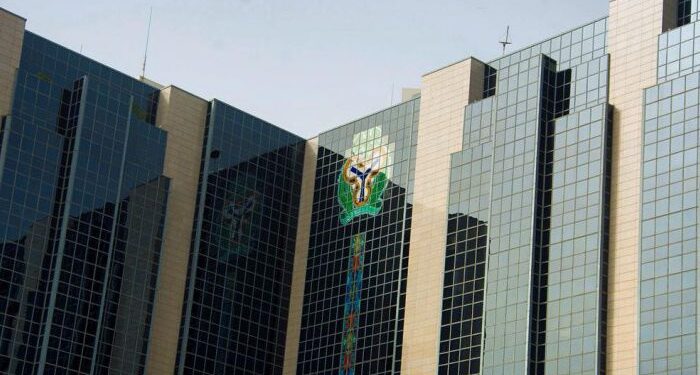
For years, manufacturers benefited from several intervention schemes introduced by the CBN to provide concessionary loans aimed at expanding production capacity, supporting small and medium-sized enterprises, and boosting local manufacturing. These programmes offered funding at below-market interest rates, helping businesses invest in machinery, raw materials, and factory expansion despite Nigeria’s challenging business environment.
However, with the withdrawal of these facilities, manufacturers must now depend largely on commercial banks for financing. Industry groups argue that this transition comes at a difficult time, as commercial lending rates remain significantly higher than concessionary intervention loans, making access to affordable capital increasingly difficult for businesses already grappling with inflation, high energy costs, exchange rate volatility, and supply chain disruptions.
Among those expressing concern is the Lagos Chamber of Commerce and Industry (LCCI), which believes commercial banks are generally structured to provide short-term financing rather than the long-term capital required for industrial investment. According to the chamber, manufacturing projects often require patient financing over several years, while commercial lending typically prioritises shorter repayment periods and higher returns.
The LCCI has argued that withdrawing intervention financing without introducing a robust replacement mechanism could discourage investment in manufacturing and reduce industrial competitiveness. The chamber also called for the speedy implementation of the proposed Manufacturing Stabilisation Fund, recapitalisation of the Bank of Industry (BoI), and improved coordination between fiscal and monetary authorities to ensure manufacturers continue to access affordable credit.
Similarly, the Centre for the Promotion of Private Enterprise (CPPE) has maintained that access to long-term, low-interest financing remains one of the biggest obstacles confronting Nigerian manufacturers. The organisation notes that while businesses can rely on commercial loans for working capital, investments in production facilities, machinery, and technology upgrades require financing structures with longer tenures and lower borrowing costs.
Economic analysts also point out that government borrowing in the domestic financial market has contributed to higher interest rates, leaving private businesses to compete for limited credit. This situation, they argue, makes it increasingly difficult for manufacturers to secure affordable loans necessary for expansion and productivity improvements.
Despite these concerns, not all stakeholders oppose the CBN’s decision. Some economists believe the central bank should focus exclusively on monetary policy while specialised development finance institutions assume responsibility for industrial financing. They argue that central banks are primarily established to control inflation, maintain exchange rate stability, and safeguard the financial system rather than directly financing businesses.
Supporters of the withdrawal contend that development institutions such as the Bank of Industry are better equipped to administer long-term industrial credit because they are specifically designed to support productive sectors. Strengthening such institutions, they argue, would create a more sustainable financing framework while allowing the CBN to concentrate on its statutory responsibilities.
They further note that excessive intervention programmes can blur the line between monetary and fiscal policy, potentially weakening policy effectiveness. Returning the CBN to a more conventional central banking role, they believe, could improve investor confidence and enhance transparency in Nigeria’s financial system.
The debate comes against the backdrop of ongoing economic reforms aimed at stabilising the Nigerian economy. Manufacturers continue to face rising production costs driven by inflation, elevated electricity expenses, logistics challenges, and fluctuations in foreign exchange rates. Many businesses have repeatedly called for policies that reduce operating costs while encouraging domestic production to lessen dependence on imports.
Experts say resolving the financing challenge will require stronger collaboration between government agencies, financial institutions, and the private sector. Beyond providing affordable credit, stakeholders believe industrial growth depends on consistent government policies, improved infrastructure, reliable electricity supply, efficient transport networks, and incentives that encourage investment in local production.
There is also growing consensus that development finance should not disappear entirely but rather be channelled through institutions specifically created to support industrial expansion. A strengthened Bank of Industry, supported by government guarantees and private-sector partnerships, could help bridge the financing gap while maintaining the independence of the central bank.
Ultimately, the differing opinions surrounding the CBN’s withdrawal reflect a broader policy dilemma confronting Nigeria’s economy. While restoring orthodox monetary policy may strengthen macroeconomic stability in the long term, ensuring that manufacturers continue to access affordable financing remains essential for industrialisation, job creation, export growth, and economic diversification. Striking the right balance between sound monetary management and effective industrial support will be critical as Nigeria seeks to build a more competitive manufacturing sector capable of driving sustainable economic growth in the years ahead.
Support InfoStride News' Credible Journalism: Only credible journalism can guarantee a fair, accountable and transparent society, including democracy and government. It involves a lot of efforts and money. We need your support. Click here to Donate