
Nigerian Breweries Plc has reported a strong financial performance for the first half of 2026, recording group revenue of N804 billion, a 9 percent increase from the N738 billion reported in the corresponding period of 2025. The result marks another step in the brewer’s ongoing recovery as it continues to navigate a challenging Nigerian operating environment characterised by elevated costs, macroeconomic volatility and changing consumer spending patterns.
The unaudited financial statements for the six months ended June 30, 2026, also showed that the company restored its retained earnings to a positive position. The development represents an important improvement in the company’s financial position and reflects the impact of measures implemented by management to strengthen profitability, improve financial resilience and create sustainable value. Nigerian Breweries itself confirmed the H1 revenue and retained-earnings milestone in its corporate newsroom.
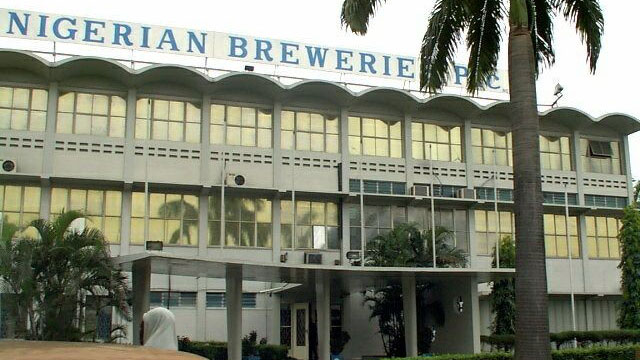
Revenue growth was accompanied by an improvement in operating profitability. Operating profit increased by 8 percent, rising from N152 billion in the first half of 2025 to N164 billion in the period under review. This performance came despite a 20 percent increase in selling, distribution and administrative expenses, demonstrating that the company was able to maintain positive operating momentum even as its cost base increased.
One of the major factors supporting the improvement in profitability was a reduction in net finance expenses. The decline in financing costs provided additional support for earnings and helped the brewer achieve stronger profit before tax during the period. According to the reported results, profit before tax increased by 18 percent compared with the corresponding period of 2025.
Profit after tax also increased, although at a slower rate. Nigerian Breweries recorded N193 billion in profit after tax during the first half of 2026, compared with N184 billion in the same period of 2025. This represents an increase of approximately 5 percent. The company said implementation of the new tax rates moderated the growth in profit after tax despite the stronger underlying operating performance.
The improvement in revenue reflects the company’s continued focus on revenue management, strategic investment in its brands and the performance of its premium and malt portfolios. Nigerian Breweries has a broad portfolio of brands serving different segments of the Nigerian beverage market, allowing the company to target consumers across various price points and consumption preferences.
The revenue performance is particularly significant given the difficult conditions facing manufacturers and consumer-facing businesses in Nigeria. Producers continue to contend with higher input costs, logistics expenses and fluctuations in operating conditions, while consumers face pressure on disposable income. For companies in the beverage industry, maintaining sales growth under such conditions requires careful pricing, product positioning and cost management.
Nigerian Breweries’ results suggest that its revenue-management strategy has helped it preserve growth despite these pressures. However, the increase in selling, distribution and administrative expenses demonstrates that revenue growth does not automatically translate into proportional increases in operating profit. Controlling costs will therefore remain important if the company is to sustain improvements in profitability.
The restoration of positive retained earnings is another major development for the company. Retained earnings represent accumulated profits and losses that remain within a company after distributions and other adjustments. Moving back into positive territory strengthens the financial position reflected in the company’s accounts and provides an important indication of the progress made in its recovery programme.
The development follows a period in which Nigerian Breweries faced significant financial pressures. The company has previously highlighted the effects of foreign-exchange volatility, inflation and higher production costs on its business. Its recent financial recovery has therefore involved not only increasing revenue but also improving the structure and cost of its financing.
The latest results are also relevant to shareholders and potential investors because they provide evidence of continued improvement in the brewer’s underlying performance. Stronger revenue, operating profit and profit after tax can strengthen investor confidence, although shareholders will continue to monitor whether the improvements can be sustained in subsequent reporting periods.
For the broader manufacturing sector, Nigerian Breweries’ performance offers an indication of how large consumer-goods companies are responding to Nigeria’s difficult operating environment. Revenue growth alongside improved operating profit suggests that businesses can still expand when they combine effective pricing, brand investment, financial discipline and operational management.
Nevertheless, the company continues to face risks. Rising operating expenses could limit future margin expansion, while changes in taxation, consumer purchasing power and input costs could influence future earnings. Maintaining affordable products while protecting profitability will remain a delicate balance.
The company’s scale also means that its performance has implications beyond its shareholders. Nigerian Breweries operates multiple breweries and has an extensive portfolio of products distributed across Nigeria. Its activities therefore connect with agricultural suppliers, distributors, retailers, logistics providers and other participants in the wider value chain.
Management has continued to emphasise resilience and recovery as key themes in its recent corporate communications. At its 2026 Annual General Meeting, shareholders had earlier commended the company’s recovery and improved profitability, particularly its disciplined cost management and reduction in finance expenses.
Going forward, the key challenge for Nigerian Breweries will be sustaining the momentum recorded during the first half of the year. The company will need to protect its revenue growth while keeping operating expenses under control and managing the effects of taxation and broader economic pressures.
The first-half results nevertheless provide a positive indication of the brewer’s recovery trajectory. With revenue reaching N804 billion, operating profit rising to N164 billion and profit after tax increasing to N193 billion, Nigerian Breweries has demonstrated continued improvement in its financial performance.
More importantly, the restoration of positive retained earnings strengthens the significance of the results. As the company moves into the second half of 2026, investors and industry stakeholders will be watching closely to see whether management can build on these gains, sustain profitability and further strengthen the financial position of one of Nigeria’s most established manufacturing companies.
Support InfoStride News' Credible Journalism: Only credible journalism can guarantee a fair, accountable and transparent society, including democracy and government. It involves a lot of efforts and money. We need your support. Click here to Donate