
The Central Bank of Nigeria (CBN) has increased interest rates on Treasury Bills (T-Bills) to levels above the current inflation rate, signaling a strategic shift aimed at attracting more investors to government securities, strengthening the naira, and improving overall liquidity management in the economy. This decision reflects the apex bank’s continuing efforts to balance monetary policy, manage inflationary pressures, and maintain investor confidence amid evolving economic conditions.
According to CBN officials, the upward adjustment in T-Bill yields is intended to make government instruments more attractive compared with other investment avenues, particularly in an environment where inflationary trends have eroded real returns on savings and fixed-income securities. By offering rates above the prevailing inflation, the apex bank seeks to incentivize investment in low-risk government instruments, thereby deepening the domestic debt market and stabilizing short-term funding flows.
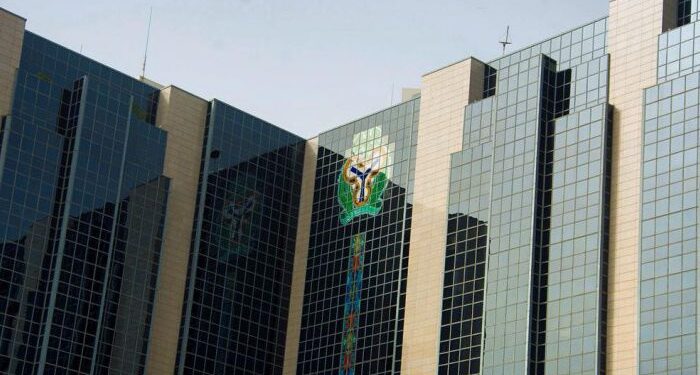
Analysts note that the move also serves as a tool to mop up excess liquidity in the financial system. High liquidity, if left unchecked, can stoke inflation and weaken the currency. By increasing T-Bill rates, the CBN encourages investors to park funds in government securities rather than seeking riskier, inflation-sensitive assets, thereby helping to moderate money supply growth. This measure also complements ongoing fiscal and monetary coordination aimed at maintaining macroeconomic stability.
Market experts observed that the increase in Treasury Bill rates comes at a time when investors are closely monitoring returns on safe-haven instruments. Rising rates are likely to attract both domestic and institutional investors, including pension funds, insurance companies, and corporate treasuries, that seek predictable, inflation-adjusted returns. The adjustment, they say, could help reduce pressure on high-yield but volatile investment options, and provide a safer avenue for portfolio diversification.
The CBN emphasized that the decision was guided by comprehensive analysis of inflation dynamics, government borrowing needs, and market liquidity conditions. Officials stressed that the rate increase is designed not only to protect the purchasing power of investors but also to support the government’s borrowing strategy while avoiding undue pressure on interest rates in the broader economy. By offering competitive yields, the apex bank hopes to boost participation in primary auctions and improve demand for government securities across maturities.
Financial analysts have also pointed out that this policy adjustment could strengthen the naira by drawing more investment into local currency instruments. Increased demand for Treasury Bills denominated in naira can create a stabilizing effect on foreign exchange markets, reducing volatility and enhancing confidence among international and domestic investors. With the naira under pressure in recent months due to trade imbalances and capital outflows, such interventions are considered crucial to sustaining currency stability.
The adjustment aligns with broader efforts by the CBN to ensure that monetary policy remains responsive to current economic realities. Nigeria’s inflation rate has been elevated in recent months, driven by factors such as food price pressures, energy costs, and global economic volatility. By setting T-Bill yields above inflation, the CBN not only protects investors’ real returns but also signals its commitment to proactive market management, which is critical for long-term economic stability.
Investors welcomed the move, noting that higher Treasury Bill rates improve the attractiveness of low-risk instruments in a challenging economic environment. Analysts predict that stronger demand for T-Bills could reduce the government’s dependence on expensive, short-term borrowing from banks, potentially lowering crowding-out effects on private sector credit. By deepening the domestic debt market, authorities aim to create a more sustainable funding environment that benefits both the government and investors.
Experts also highlighted that the increased yields may have a positive ripple effect on other financial products. Higher risk-free returns can recalibrate asset pricing, encourage longer-term investments, and promote the development of derivative markets linked to government securities. The broader consequence, they noted, is the gradual strengthening of Nigeria’s financial market infrastructure and improved investor confidence in government debt instruments.
However, some caution that while higher T-Bill rates are beneficial for investors, they also increase the cost of government borrowing. Policymakers will need to balance the dual objectives of attracting investment and managing debt sustainability, especially as the government continues to fund critical infrastructure and social projects. Analysts suggest that a careful calibration of yields, coupled with prudent fiscal management, is essential to avoid crowding out private sector credit or creating excessive debt servicing burdens.
In conclusion, the CBN’s decision to raise Treasury Bill rates above inflation represents a significant policy measure aimed at strengthening investor confidence, protecting real returns, stabilizing liquidity, and supporting macroeconomic stability. By offering yields that outpace inflation, the apex bank encourages participation in government securities, enhances the attractiveness of the naira, and contributes to the development of a deeper, more resilient financial market. As Nigeria navigates inflationary pressures and seeks to stimulate investment, this move is expected to provide a crucial boost to both investors and the broader economy.
Support InfoStride News' Credible Journalism: Only credible journalism can guarantee a fair, accountable and transparent society, including democracy and government. It involves a lot of efforts and money. We need your support. Click here to Donate