
The Federal Government has announced the successful return of about 450 megawatts of electricity to the national grid after completing a series of rehabilitation and upgrade works on key power generation assets across the country. The restored capacity, officials said, is part of a broader effort to tackle recurring power shortages, enhance grid stability and improve electricity supply to homes and industries nationwide.
According to government authorities, the restored megawatts resulted from a targeted revamp of several malfunctioning or underperforming power units that had been offline due to mechanical faults, aging components, and delayed maintenance schedules. The intervention formed part of an accelerated recovery plan implemented between the Ministry of Power, generation companies and the Transmission Company of Nigeria (TCN) to address persistent outages and improve the reliability of the national grid.
Technical teams deployed across different power stations carried out major refurbishments on turbines, generators, and auxiliary systems that had suffered varying degrees of deterioration. The government explained that part of the reforms also included the replacement of obsolete parts, recalibration of equipment for optimal performance, and comprehensive testing to ensure operational safety before reintroduction into the generation mix.
Officials noted that the intervention became necessary after power generation consistently fell below expected levels in recent months, leading to widespread supply shortfalls. These deficiencies were linked to breakdowns in multiple generating units, inadequate gas supply to thermal plants, and limited investments in maintenance across the sector. The restoration of the 450MW, therefore, represents a key milestone in efforts to reverse the negative trend and reinforce electricity availability.
The Ministry of Power highlighted that the revamp was executed in close collaboration with technical experts from the generation companies, who provided diagnostic assessments to identify the most critical faults requiring urgent attention. This cooperation, the government said, helped ensure that the repairs were not only swift but also aligned with global engineering standards.
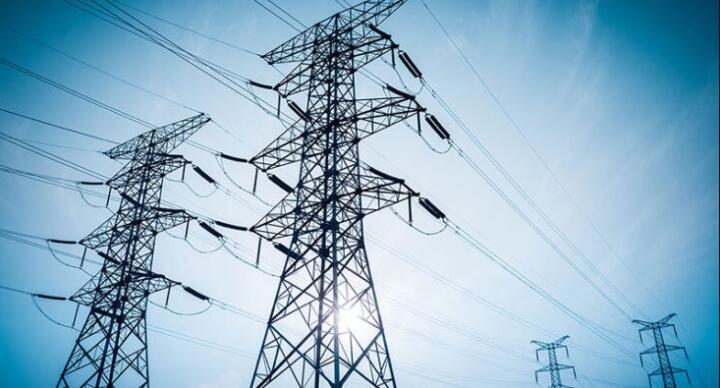
In addition to work on the generation side, officials confirmed that complementary improvements were carried out at transmission substations to ensure that the restored power could be safely evacuated and distributed without overloading or destabilising the grid. This included upgrading transformers, reinforcing transmission lines, and reconfiguring load management protocols to prevent system failures.
TCN engineers reported that the additional megawatts now available have begun improving grid frequency and supply consistency in several regions, though the full impact will become more evident as distribution companies adjust their load allocation schedules. The company assured that it is taking steps to further strengthen transmission capacity to accommodate more recovered or newly generated power in the coming months.
Industry observers described the development as a positive step towards addressing Nigeria’s chronic power supply challenges, although they cautioned that sustained progress would require continued investments in infrastructure, improved coordination across the value chain, and stronger accountability mechanisms. Many analysts have long argued that maintaining existing assets is just as critical as building new ones, especially given the recurrent incidents of plant failures that stunt electricity delivery.
Generation companies also welcomed the government’s intervention, noting that inadequate funding for maintenance and operational bottlenecks have hindered their ability to deliver at full capacity. They expressed confidence that the restored output would contribute significantly to easing current supply constraints, particularly for industrial users who have faced rising production costs due to heavy reliance on diesel generators.
However, experts warned that without addressing other structural issues—such as gas shortages, tariff disagreements, and distribution inefficiencies—the improvements may not translate into long-term stability. They argued that revamping power assets must go hand-in-hand with reforms that ensure steady gas supply contracts, cost-reflective tariffs, and improved revenue collection by distribution companies.
Responding to such concerns, the Federal Government reiterated that the current restoration effort is part of a phased plan aimed at rehabilitating multiple power stations over time. It announced that additional units across different plants are scheduled for repairs, which could bring more megawatts back to the grid if executed successfully. Authorities also noted that ongoing discussions with gas suppliers are expected to improve feedstock availability to thermal plants, thereby reducing forced outages.
The government further emphasised that achieving reliable electricity supply remains a priority under its economic revitalisation agenda, as power shortages continue to hinder growth in manufacturing, small businesses, healthcare, education and other critical sectors. It assured that the restoration of generation capacity will continue concurrently with broader reforms intended to strengthen regulation, incentivise private investment, and modernise the transmission and distribution networks.
Citizens and industry groups have expressed cautious optimism over the announcement, hoping that the newly restored megawatts will translate into longer supply hours and fewer disruptions. While some consumers reported slight improvements in service in specific locations, many stressed the need for consistent delivery rather than occasional boosts that fail to sustain long-term progress.
The return of 450MW to the grid marks a notable achievement in Nigeria’s ongoing struggle to stabilise its power system. The government insists that the latest success reinforces its commitment to rehabilitating critical infrastructure and bridging the nation’s long-standing electricity gap. As additional repairs are scheduled and further capacity is expected to come online, stakeholders are watching closely to see whether this renewed momentum will bring tangible, enduring improvements to the country’s power landscape.
Support InfoStride News' Credible Journalism: Only credible journalism can guarantee a fair, accountable and transparent society, including democracy and government. It involves a lot of efforts and money. We need your support. Click here to Donate