
Nigeria’s equities market staged a significant rebound as investors drove a broad-based rally that resulted in a N694bn increase in market capitalisation, according to reports from leading Nigerian news platforms. The recovery followed a period of profit-taking and cautious sentiment that had weighed on trading activities in previous sessions. Analysts say the rebound reflects renewed confidence in fundamentally strong stocks and improved market outlook as investors re-entered positions across banking, industrial, and consumer goods sectors.
Reports indicate that the Nigerian Exchange Limited (NGX) experienced a surge in buying interest, particularly in large-cap stocks, which helped lift overall market performance. Blue-chip equities that had recently declined due to sell-offs became attractive entry points for investors, encouraging a fresh wave of bargain hunting. Market observers noted that the renewed momentum was strengthened by favourable corporate earnings expectations and improved macroeconomic indicators that enhanced investor appetite.
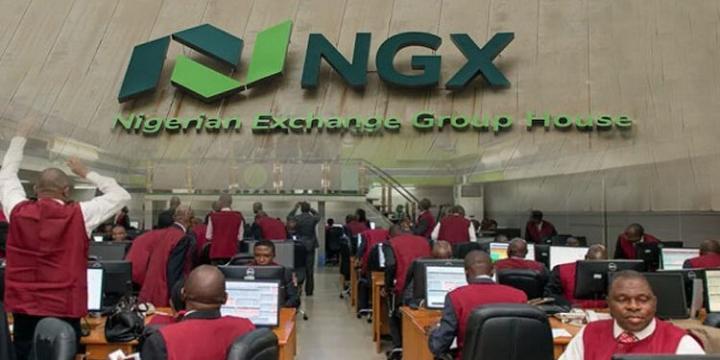
The rally pushed the NGX’s market capitalisation upward by N694bn, signalling a reversal from earlier losses and positioning the market for a potentially strong finish to the trading week. The All-Share Index also advanced significantly, reflecting gains across several major sectors. Key performers included banking stocks, industrial goods companies, and fast-moving consumer goods firms that benefited from renewed demand.
Analysts cited several factors contributing to the rebound, including improved liquidity in the system, stable foreign exchange conditions, and investors’ renewed interest in companies with strong fundamentals. They also highlighted that the market had been trading at a discount due to recent declines, creating opportunities for institutional and retail investors to accumulate undervalued stocks.
Reports noted that investors showed particular interest in tier-one banks, which have remained resilient despite economic uncertainties. These financial institutions continue to attract significant investor attention due to their robust profitability, dividend history, and large market influence. The industrial sector also delivered notable contributions to the rebound, especially from cement and manufacturing stocks that recorded increased buy pressure.
Additionally, some analysts believe that the rebound may have been partly influenced by policy signals that boosted market sentiment. They pointed out that ongoing economic reforms and efforts to stabilise key sectors such as energy, trade, and manufacturing could be encouraging investors to take long-term positions in anticipation of improved profitability for listed companies.
Market watchers emphasised that the strong recovery shows that investor confidence remains firm despite short-term fluctuations. They described the equities market as fundamentally driven, noting that periods of decline often precede rebounds when investors recognise value opportunities. The latest performance, they said, underscores the ability of the market to correct itself when driven by rational investor behaviour.
Furthermore, trading data showed increased activity in both volume and value, indicating strong participation across all investor categories. The surge in turnover reflected deeper market engagement, with several high-cap stocks attracting substantial interest. Analysts say this level of activity signals improving liquidity and suggests that investors remain attentive to shifts in market dynamics.
Some stakeholders noted that the rebound could be sustained if macroeconomic conditions remain favourable. Stable inflation trends, improved fiscal direction, and continued reforms in the financial markets could support longer-term upward movement. However, they also cautioned that global economic uncertainties such as interest rate movements in major economies may still influence investor sentiment in the coming weeks.
The performance has been widely welcomed as it provides a positive signal at a time when concerns about economic pressure and rising costs have been prominent. Investors are expected to continue monitoring market fundamentals closely, with particular attention on forthcoming earnings reports and central bank monetary policy actions.
Market analysts added that the strong recovery highlights the resilience of Nigeria’s capital market, which has continued to attract investment despite economic pressures. They also pointed out that the NGX has shown the capacity to rebound quickly following periods of correction, reflecting the depth and diversity of listed firms.
With the latest gain, stakeholders believe the equities market may be entering a new phase of stability, supported by increased confidence in corporate performance and broader economic prospects. If the momentum is sustained, the market could record further improvements as investors position themselves for medium- and long-term gains.
Overall, the N694bn rebound represents a notable turnaround for the Nigerian stock market, reaffirming its potential for value creation and its strength in navigating economic headwinds. Investors and analysts alike will be watching closely to see whether the positive sentiment continues to support market growth in the coming sessions.
Support InfoStride News' Credible Journalism: Only credible journalism can guarantee a fair, accountable and transparent society, including democracy and government. It involves a lot of efforts and money. We need your support. Click here to Donate