
The price of petrol in Nigeria has increased by 643 per cent over the past three years, reflecting a dramatic shift in the country’s downstream petroleum market following sweeping policy changes, subsidy removal, exchange rate pressures, and global oil market volatility.
The sharp rise has significantly altered transportation costs, household budgets, and business operating expenses across the country, with consumers and industry operators adjusting to a new pricing regime that is largely determined by market forces rather than government subsidies.
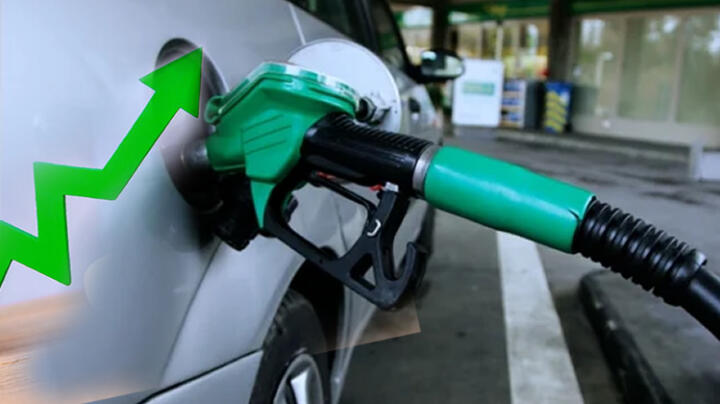
Three years ago, petrol prices were heavily influenced by government intervention through fuel subsidy mechanisms, which kept pump prices artificially low for consumers. However, successive policy reforms aimed at reducing fiscal pressure on government finances led to the gradual dismantling of the subsidy system, exposing local fuel prices to global crude oil dynamics and foreign exchange fluctuations.
The removal of fuel subsidies marked a turning point in Nigeria’s energy pricing structure. While the policy was designed to reduce the strain on public finances and encourage market efficiency, it has also resulted in steep increases in the cost of premium motor spirit (PMS), commonly known as petrol.
Exchange rate volatility has further compounded the situation. Since Nigeria relies heavily on imported refined petroleum products, fluctuations in the naira-dollar exchange rate directly affect landing costs. As the naira has weakened significantly over the period under review, importation costs have risen, contributing to higher retail fuel prices.
Global crude oil prices have also played a role, as international energy markets continue to experience fluctuations driven by geopolitical tensions, production cuts by major oil producers, and shifting demand patterns. These external factors feed into local pricing mechanisms, making domestic fuel costs more sensitive to global market conditions.
The cumulative effect of these factors has been a steep upward trajectory in petrol prices across the country. Consumers who previously paid subsidized rates have experienced multiple price adjustments within a relatively short period, leading to widespread concern over rising living costs.
Transportation costs have been one of the most immediate areas of impact. With petrol being the primary fuel for private vehicles, commercial transport operators, and logistics companies, fare adjustments have become common across cities and inter-state routes. Commuters have reported higher daily expenses as transport fares adjust to reflect increased fuel costs.
Small and medium-sized enterprises have also been significantly affected. Many businesses rely on petrol-powered generators due to unreliable electricity supply, meaning fuel price increases translate directly into higher production and operational costs. This has placed additional pressure on profit margins, particularly for businesses operating in already challenging economic conditions.
Household expenses have similarly risen, as families allocate a larger portion of their income to transportation, energy, and goods and services affected by fuel-related cost increases. Economists note that fuel price inflation often has a multiplier effect across the economy, influencing the prices of food, manufactured goods, and services.
Industry analysts say the 643 per cent increase underscores the structural transformation of Nigeria’s downstream petroleum sector. The shift from a subsidized pricing regime to a deregulated market has introduced greater price transparency but also exposed consumers to global market volatility.
Government officials have repeatedly defended the subsidy removal policy, arguing that it was necessary to free up fiscal resources for critical infrastructure development, healthcare, education, and social investment programmes. They maintain that subsidies disproportionately benefited high-income consumers and created inefficiencies in fuel distribution.
However, critics of the policy argue that the rapid pace of price increases has placed significant hardship on citizens, particularly low-income households. They contend that complementary measures such as targeted social support, improved public transportation systems, and domestic refining capacity should have been strengthened to cushion the impact.
The state of domestic refining capacity remains a key factor in Nigeria’s fuel pricing dynamics. Limited local refining has meant continued reliance on imported petroleum products, exposing the country to external price shocks and foreign exchange constraints. Efforts to increase domestic refining capacity are ongoing, but the transition has yet to fully stabilize supply and pricing structures.
Energy experts believe that achieving long-term price stability will depend on several structural reforms, including increased local refining output, improved energy infrastructure, and more efficient distribution systems. They also highlight the importance of foreign exchange stability in reducing import-driven price volatility.
Despite the challenges, policymakers argue that the deregulation of the downstream sector is a necessary step toward creating a more sustainable and efficient energy market. Over time, they expect increased competition, investment in refining infrastructure, and improved supply chains to help stabilize prices.
In the short term, however, consumers are likely to continue experiencing the effects of higher fuel costs. The 643 per cent increase over three years illustrates the scale of adjustment that has taken place in the sector and the broader economic implications of energy pricing reforms.
As Nigeria continues to navigate these changes, attention remains focused on balancing fiscal sustainability, market efficiency, and social welfare. The evolution of petrol pricing will remain a key indicator of broader economic adjustments and the ongoing transformation of the country’s energy landscape.
Support InfoStride News' Credible Journalism: Only credible journalism can guarantee a fair, accountable and transparent society, including democracy and government. It involves a lot of efforts and money. We need your support. Click here to Donate