
The Dangote Petroleum Refinery has disclosed that more than 1,000 trucks are now loading petrol daily from its facility, following a recent reduction in the pump price of Premium Motor Spirit. The development signals a sharp increase in domestic demand and marks a significant shift in Nigeria’s downstream petroleum supply dynamics, as locally refined products increasingly replace imported fuel.
According to officials of the refinery, the price adjustment has made petrol from the Dangote facility more attractive to marketers, transporters and bulk buyers, leading to a dramatic rise in truck movements within the Lekki-based complex. The surge in daily loading, they said, reflects growing confidence in locally refined fuel and the impact of competitive pricing on market behaviour.
The refinery explained that prior to the price cut, truck loadings were significantly lower, largely due to pricing considerations and the cautious approach of marketers adjusting to the new deregulated market environment. However, the revised pricing regime has improved margins for marketers and reduced logistics costs, encouraging higher uptake of products directly from the refinery.
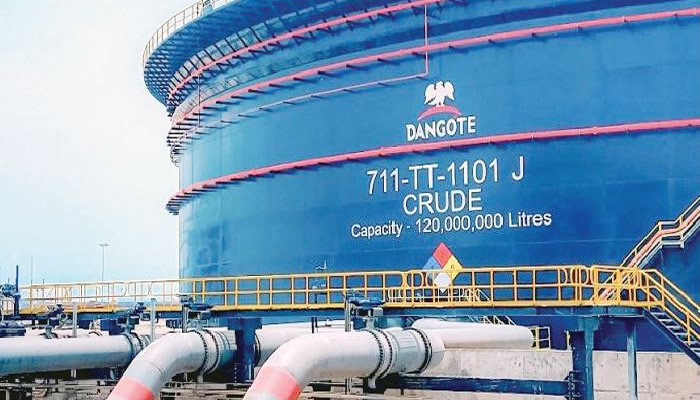
Industry sources say the increase in daily truck loading represents a major milestone for the 650,000 barrels-per-day refinery, which has gradually ramped up production and distribution since commencing operations. With petrol now being supplied in large volumes, the refinery is increasingly positioned as a central supplier to the domestic market.
The management of the Dangote Refinery noted that the price reduction aligns with its broader objective of stabilising fuel supply, reducing reliance on imports and easing pressure on foreign exchange demand. By offering competitively priced petrol, the company aims to support marketers, reduce scarcity risks and ultimately benefit consumers.
The refinery also highlighted improvements in logistics and loading infrastructure, which have enabled it to handle the rising number of trucks efficiently. Dedicated loading bays, improved scheduling systems and collaboration with security agencies were cited as key factors supporting the smooth movement of tankers in and out of the facility.
Market analysts believe the development could have far-reaching implications for Nigeria’s downstream sector. With over 1,000 trucks loading daily, locally refined petrol is expected to dominate supply chains nationwide, potentially leading to more stable availability and reduced exposure to international price volatility.
The price cut has also intensified competition among fuel suppliers, particularly import-dependent marketers who now face pressure to align prices or risk losing market share. Some marketers have reportedly increased patronage of the Dangote Refinery to remain competitive in the evolving market landscape.
For consumers, the increased supply from the refinery could translate into improved availability of petrol across major cities and rural areas. Industry observers note that consistent loading at this scale reduces the likelihood of artificial scarcity, which has often been driven by supply disruptions and speculative hoarding.
The Dangote Refinery reiterated its commitment to working with regulators and industry stakeholders to ensure transparency and fairness in pricing. The company said its pricing decisions are guided by market realities, operational costs and the need to sustain long-term production, while also delivering value to the Nigerian economy.
The refinery’s growing role in domestic supply also supports government efforts to achieve energy security. By refining crude oil locally and distributing petrol at scale, Nigeria stands to save billions of dollars previously spent on fuel imports and subsidies, while strengthening its industrial base.
Transport unions and independent marketers have welcomed the increased loading activity, describing it as a positive signal for the sector. They noted that steady access to petrol at competitive prices helps operators plan better, reduces downtime and supports economic activity across value chains.
However, some stakeholders have cautioned that infrastructure bottlenecks outside the refinery, including poor road networks and congestion around key distribution corridors, could affect sustained growth in truck movements. They called for coordinated action to improve access roads and traffic management to fully maximise the benefits of increased local refining.
The Dangote Refinery acknowledged these challenges and said it is engaging relevant authorities to address logistics constraints. The company added that continuous investment in infrastructure and stakeholder collaboration remains critical to sustaining the current momentum.
As production stabilises and distribution expands, the refinery said it expects truck loading volumes to remain strong, provided pricing remains competitive and market conditions supportive. The company maintained that its long-term vision is to meet Nigeria’s fuel demand reliably while also supplying regional markets.
The surge to over 1,000 trucks loading petrol daily underscores the impact of pricing on supply dynamics and highlights the growing influence of the Dangote Refinery in reshaping Nigeria’s downstream petroleum sector. As the market continues to adjust, the development is widely seen as a step toward a more self-sufficient, competitive and resilient fuel supply system.
Support InfoStride News' Credible Journalism: Only credible journalism can guarantee a fair, accountable and transparent society, including democracy and government. It involves a lot of efforts and money. We need your support. Click here to Donate