
Nigeria has moved to prevent a looming fuel scarcity by bringing in 828 million litres of petrol, a major intervention aimed at stabilising supply across the country and ensuring uninterrupted distribution during the festive and early-year consumption spikes. Officials confirmed that the massive importation was undertaken to avert disruptions caused by logistical delays, vessel scheduling issues and challenges associated with maintaining adequate national reserves. The intervention comes at a time when the energy market is experiencing significant pressure, with rising costs, foreign exchange constraints and seasonal demand fluctuations threatening to strain supply chains.
According to industry insiders, the petrol importation was fast-tracked following early warnings from fuel marketers about thinning stock levels at depots and the need for swift government response to avoid queues resurfacing at filling stations. Marketers had reported declining inventory levels in several regions, raising fears of a repeat of previous episodes of scarcity that disrupted economic activity and triggered panic buying. By deploying emergency vessels carrying hundreds of millions of litres, authorities aim to maintain nationwide stability and reassure consumers of steady availability.
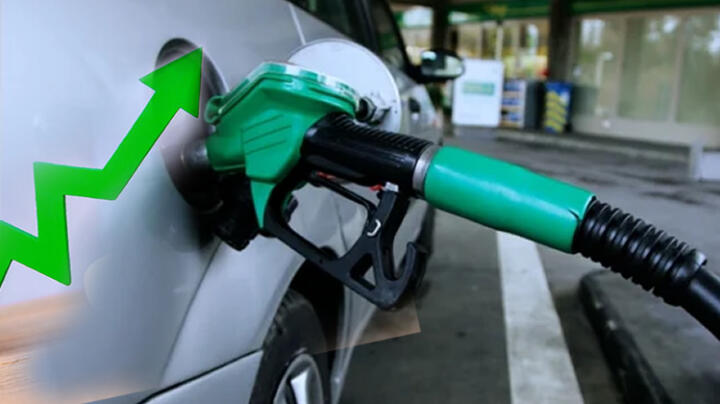
Officials disclosed that the 828 million litres of fuel represent one of the largest single import interventions in recent months, reflecting the seriousness with which the government views the threat of supply disruptions. The stock is expected to last several weeks, depending on consumption patterns, and will be distributed strategically across key depots to ensure nationwide coverage. Priority will be given to high-demand corridors such as Lagos, Abuja, Kano, Port Harcourt and major transport hubs that service long-distance commercial drivers and cargo movement.
The decision to ramp up imports underscores the continued reliance on foreign supply despite the country’s refining potential. Although efforts to revive local refining through public and private-sector initiatives are ongoing, full domestic self-sufficiency in petrol supply remains a work in progress. As a result, importation remains essential to ensuring energy stability, especially during peak periods. Stakeholders note that until local refineries operate at full capacity and distribution bottlenecks are resolved, periodic interventions like this will remain necessary to keep the system functioning smoothly.
Government sources emphasised that the intervention was not only driven by stock depletion but also by the need to maintain confidence in the market. Fuel scarcity tends to trigger widespread economic disruptions, affecting transportation, food distribution, manufacturing operations and service delivery. By proactively injecting 828 million litres into the system, authorities hope to prevent panic, stabilise pricing and reduce the likelihood of artificial hoarding by marketers preparing for a scarcity-induced profit surge.
Marketers and depot operators have welcomed the move, describing it as timely and essential to ensuring stability. Many highlighted the ongoing challenges of accessing forex for fuel importation, noting that the fluctuating exchange rate has increased landing costs and made consistent supply more difficult. They added that government intervention helps balance supply-side risks and keeps the market from cascading into chaos during periods of financial and operational stress. Some operators also suggested that added transparency in allocation processes will be crucial to ensure that the newly imported stock reaches all regions equitably.
Transportation unions have also reacted positively, expressing relief that the government took steps to prevent shortages that typically cause long queues, price hikes and delays for motorists. Drivers noted that fuel scarcity often affects their daily income and operational efficiency, and welcomed any measure that ensures smooth distribution and affordable pricing at the pumps. However, unions cautioned that sustained availability will require long-term policy reforms beyond emergency imports.
Economists analysing the development said the massive importation highlights Nigeria’s ongoing vulnerability to global fuel markets and foreign exchange volatility. They argue that while emergency stock boosts are necessary to avert immediate crises, structural solutions—such as ramping up refining capacity, improving pipeline security, modernising distribution networks and incentivising local production—must be prioritised to reduce the need for costly interventions. The NNPC, they noted, will continue to shoulder significant financial burdens unless these long-term reforms take root.
Regional depot managers have begun receiving allocation schedules, and distribution is expected to move quickly to avert any delays in the supply chain. The aim is to ensure that the new stock translates into visible availability at filling stations within days. Authorities have also warned against hoarding and price manipulation, noting that monitoring teams will be deployed to discourage any attempt to create artificial scarcity during the period of replenished supply.
Consumers across different states have expressed cautious optimism, noting that previous assurances have at times failed to prevent queues. Many welcomed the injection of 828 million litres but called for sustained efforts to make fuel scarcity a thing of the past. Some urged the government to accelerate work on refineries, arguing that domestic production remains the only viable path to long-term energy stability.
As the newly imported stock enters the distribution chain, the focus now shifts to ensuring consistent and transparent delivery to end users. While the intervention addresses immediate concerns, experts emphasise that Nigeria must boost its refining capacity, stabilise foreign exchange access, and address logistics gaps if it hopes to move beyond the cycle of scarcity threats and emergency fuel imports. The coming weeks will reveal how effectively the system absorbs and distributes the 828 million litres intended to keep the country running smoothly.
Support InfoStride News' Credible Journalism: Only credible journalism can guarantee a fair, accountable and transparent society, including democracy and government. It involves a lot of efforts and money. We need your support. Click here to Donate