
The Federal Government has reiterated its position that Nigeria’s economy remains stable despite mounting global economic challenges, insisting that ongoing reforms and strategic policy interventions are helping to shield the country from severe external shocks. Officials under President Bola Ahmed Tinubu maintain that while global conditions remain volatile, Nigeria is gradually strengthening its economic foundation.
Across the world, economies are grappling with rising inflation, tightening monetary policies, and disruptions in global supply chains. The lingering effects of the Russia-Ukraine war, combined with energy market volatility and geopolitical tensions, have placed pressure on both developed and emerging markets. Nigeria, as part of the global economic system, has not been immune to these developments.
However, the Federal Government argues that the country has shown notable resilience. Key reforms introduced over the past year, including the removal of fuel subsidies and the unification of the foreign exchange market, are being positioned as necessary steps toward long-term economic stability. While these policies have led to short-term increases in living costs, authorities insist they are essential for correcting structural imbalances.
Officials highlight that prior to these reforms, Nigeria faced significant fiscal strain due to subsidy payments, which consumed a large portion of government revenue. By removing subsidies, the government aims to redirect funds toward critical sectors such as infrastructure, healthcare, and education. The move is also expected to reduce market distortions and improve transparency in the energy sector.
The Central Bank of Nigeria (CBN) has complemented these efforts through monetary policy adjustments designed to curb inflation and stabilise the national currency. By raising interest rates and implementing measures to manage liquidity, the apex bank is working to contain price pressures and restore investor confidence. Government officials note that improved coordination between fiscal and monetary authorities is beginning to yield positive outcomes.
Another factor contributing to Nigeria’s perceived stability is its position as one of Africa’s largest oil producers. Crude oil exports continue to generate foreign exchange earnings, providing a buffer against external shocks. However, authorities acknowledge that dependence on oil revenue remains a vulnerability, particularly in the face of fluctuating global prices. As a result, efforts to diversify the economy have been intensified.
The government has identified agriculture, manufacturing, and the digital economy as key sectors for diversification. Investments in these areas are expected to create jobs, boost exports, and reduce reliance on imports. For instance, initiatives aimed at improving agricultural productivity are designed to enhance food security and reduce inflationary pressures linked to food prices.
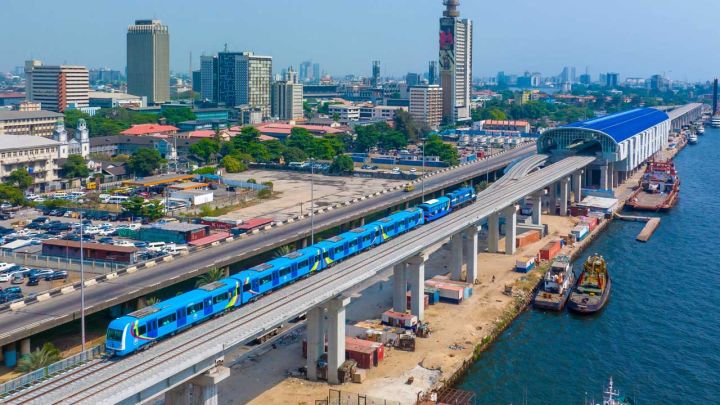
Infrastructure development is another critical component of the government’s strategy. Projects in transportation, power, and digital connectivity are being prioritised to improve the business environment and stimulate economic activity. Reliable infrastructure is expected to lower operational costs for businesses, attract investment, and drive sustainable growth.
Despite these efforts, economic analysts caution that macroeconomic stability does not always translate into improved living conditions for citizens. Inflation remains a major concern, particularly in food and energy prices, which directly affect household welfare. Many Nigerians continue to face increased cost of living, raising questions about the immediate impact of ongoing reforms.
The Federal Government has acknowledged these challenges and introduced targeted interventions to support vulnerable populations. Social programs, including cash transfers and support for small businesses, are being implemented to cushion the effects of economic adjustments. Authorities argue that such measures will help bridge the gap while long-term reforms take effect.
Nigeria’s external reserves and trade balance are also key indicators of economic stability. Government officials have emphasized the importance of boosting non-oil exports to strengthen the country’s position in the global economy. By promoting sectors such as solid minerals and services, Nigeria aims to build a more resilient and diversified export base.
Investor sentiment remains another critical factor. The government has taken steps to improve the ease of doing business, streamline regulatory processes, and enhance transparency. These measures are intended to attract foreign direct investment and encourage local enterprise development. A stable investment climate, officials argue, is essential for sustaining economic growth.
Private sector stakeholders have expressed cautious optimism about the government’s direction. While many acknowledge the necessity of reforms, they stress the importance of consistent implementation and clear communication. Policy uncertainty, they note, can undermine investor confidence and slow economic progress.
Looking ahead, the Federal Government remains confident that Nigeria is on a path toward recovery and long-term stability. Officials argue that the current global crisis presents an opportunity to implement bold reforms that will strengthen the economy and reduce vulnerability to external shocks. By addressing structural challenges and investing in key sectors, the government aims to build a more inclusive and resilient economic system.
As global uncertainties persist, the effectiveness of these strategies will be closely monitored. The true measure of stability will not only be reflected in macroeconomic indicators but also in the ability of citizens to experience improved living standards. For now, the Federal Government maintains that Nigeria is weathering the storm and laying the groundwork for sustainable growth.
Support InfoStride News' Credible Journalism: Only credible journalism can guarantee a fair, accountable and transparent society, including democracy and government. It involves a lot of efforts and money. We need your support. Click here to Donate