
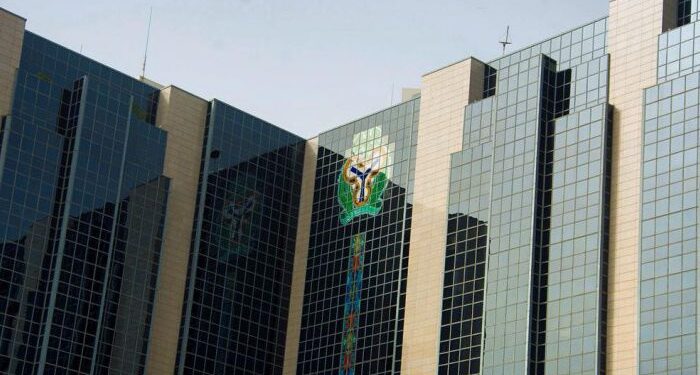
The Central Bank of Nigeria (CBN) has increased the allowable foreign exchange limit for overseas tuition payments to $25,000, a move expected to provide relief to Nigerian students studying abroad and their families amid rising global education costs and foreign exchange challenges.
The adjustment is aimed at improving access to foreign currency for educational expenses and addressing concerns raised by parents, students, and educational stakeholders regarding the difficulties associated with funding international studies. The new limit reflects growing recognition of the financial pressures facing Nigerians pursuing academic programmes in foreign institutions.
Education remains one of the largest categories of foreign exchange demand among Nigerian households. Thousands of Nigerian students are enrolled in universities and colleges across countries such as the United Kingdom, the United States, Canada, Australia, and several parts of Europe and Asia. Tuition fees at many of these institutions have increased in recent years due to inflation, operational costs, and exchange rate fluctuations, making access to adequate foreign exchange increasingly important.
Under the revised framework, eligible applicants can access up to $25,000 for tuition-related payments, providing greater flexibility for families seeking to meet educational obligations abroad. The increase is expected to reduce some of the funding constraints that have affected students whose tuition costs exceed previous limits.
Financial analysts note that international education expenses have risen considerably over the past few years. In addition to tuition fees, students and their sponsors often contend with accommodation costs, health insurance, transportation expenses, and other living costs. While the revised limit specifically addresses tuition payments, stakeholders believe it could ease overall financial planning for families supporting students overseas.
The decision comes as the CBN continues efforts to improve foreign exchange market efficiency and support legitimate foreign currency demands. Education and healthcare have traditionally been prioritized categories for foreign exchange allocation due to their direct impact on citizens’ welfare and human capital development.
Parents and guardians have frequently expressed concerns over delays and limitations in accessing foreign exchange for tuition payments. Such challenges have occasionally resulted in late fee payments, financial penalties, and difficulties maintaining student enrollment status in foreign institutions. The higher limit is therefore expected to improve payment timelines and reduce administrative complications.
Industry experts believe the policy could enhance confidence among families planning international education. Access to a larger foreign exchange allocation provides greater certainty and may reduce the need for alternative funding channels that are often more expensive or less predictable.
The development also reflects the growing importance of education as a strategic investment for many Nigerian households. Families continue to allocate significant resources toward higher education, viewing it as a pathway to improved career opportunities, skills acquisition, and global competitiveness.
Educational consultants have welcomed the increase, noting that tuition fees at many universities now exceed previous foreign exchange limits. Institutions in destinations popular with Nigerian students often charge annual tuition ranging from several thousand dollars to well above $20,000, depending on the programme and level of study.
The policy adjustment is expected to particularly benefit students enrolled in professional and specialized programmes such as medicine, engineering, law, business administration, and technology-related disciplines, which often attract higher tuition charges.
Economic analysts, however, point out that the decision comes within a broader context of foreign exchange management and demand pressures. Nigeria’s foreign exchange market continues to experience significant demand from various sectors of the economy, including manufacturing, trade, healthcare, and education.
The CBN has in recent years implemented a range of measures aimed at improving transparency, liquidity, and efficiency within the foreign exchange market. These efforts are intended to support economic stability while ensuring that critical sectors have access to the foreign currency required for essential transactions.
Stakeholders in the education sector argue that facilitating tuition payments contributes to human capital development, which remains a key driver of long-term economic growth. Access to quality education, whether obtained domestically or internationally, is viewed as essential for developing the skilled workforce needed to support national development objectives.
Some analysts also suggest that the policy could reduce pressure on parallel foreign exchange markets by enabling more students and parents to access official channels for tuition payments. This may contribute to greater transparency and predictability in educational financing arrangements.
Despite the positive reception, experts emphasize the importance of continued investment in Nigeria’s domestic education sector. While international education remains an important option for many families, strengthening local universities and research institutions is seen as critical for reducing reliance on overseas study opportunities over the long term.
Higher education institutions in Nigeria continue to face challenges related to infrastructure, funding, research capacity, and global competitiveness. Addressing these issues could help retain more students within the country while attracting international learners and academic partnerships.
For students currently studying abroad, the revised tuition limit offers a measure of financial relief and planning certainty. Educational institutions typically require timely tuition payments, and improved access to foreign exchange can help students avoid disruptions to their academic programmes.
The banking sector is expected to play a key role in implementing the revised framework by facilitating foreign exchange transactions and ensuring compliance with applicable guidelines. Financial institutions are likely to provide guidance to customers regarding documentation requirements and application procedures.
As global education costs continue to rise, policies that support legitimate educational expenses are likely to remain important. The increase in the foreign tuition limit to $25,000 demonstrates the CBN’s recognition of changing economic realities and the need to accommodate growing educational funding requirements.
The development is expected to provide immediate benefits to students and families while reinforcing the importance of education within Nigeria’s broader economic and social development agenda. By improving access to foreign exchange for tuition payments, the policy seeks to support academic aspirations and strengthen opportunities for skills development in an increasingly competitive global environment.
Support InfoStride News' Credible Journalism: Only credible journalism can guarantee a fair, accountable and transparent society, including democracy and government. It involves a lot of efforts and money. We need your support. Click here to Donate