
Truck owners operating within Nigeria’s maritime logistics sector have called for an urgent review of the Electronic Call-Up (ETO) system following repeated cancellations of paid bookings, saying the practice is causing financial losses and disrupting cargo evacuation operations at the nation’s ports.
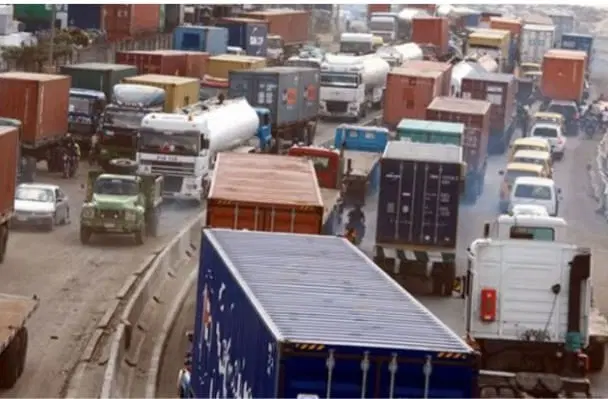
The Association of Maritime Truck Owners (AMATO) said truck operators should not be made to bear the financial consequences of cancellations arising from delays or circumstances beyond their control. The association described the situation as unfair and called for mechanisms that would ensure automatic refunds whenever paid bookings are cancelled without fault on the part of the truck operator.
The ETO system, introduced as part of efforts to manage truck traffic and improve access to Nigeria’s seaports, was designed to replace the chaotic system in which large numbers of trucks converged around port access roads while waiting to enter terminals. By assigning electronic appointments, the system was intended to make truck movements more predictable, improve traffic management and reduce the congestion that has historically affected Lagos port operations.
However, AMATO said the repeated cancellation of already-paid bookings has created a new set of challenges for operators who depend on scheduled access to terminals to plan their journeys and manage their businesses.
Head of Research and Technical at AMATO, Adeshina Ajibola, called for an urgent review of the booking process, arguing that truck owners who have complied with the established procedures should not suffer financial losses because of delays or operational failures within the system.
The association’s position highlights the financial pressures faced by maritime truck operators. Every cancelled booking can potentially result in additional expenses involving fuel, driver wages, vehicle maintenance, parking and other operational costs. Where operators have already made payments for scheduled access, the absence of a timely refund can further increase the burden on businesses operating on tight margins.
For truck owners, the issue is therefore not simply about the cancellation of a digital appointment. It concerns the wider reliability of the port logistics system and the extent to which operators can depend on the electronic scheduling mechanism when making business decisions.
AMATO has argued that cancelling paid bookings because of circumstances outside the control of truck owners raises consumer-protection concerns. The association cited provisions of Nigeria’s Federal Competition and Consumer Protection Act (FCCPA) 2018 in calling for the process to be reviewed.
The disagreement comes against the backdrop of persistent congestion challenges around Lagos ports. Although the ETO system was introduced to improve traffic management, congestion on port access routes continues to be influenced by several factors, including the volume of cargo traffic, road conditions, enforcement practices and the efficiency of cargo evacuation.
The Nigerian Ports Authority (NPA) has previously taken measures to address congestion around the ports, including establishing a multi-agency task force aimed at improving traffic flow and cargo evacuation. The authority has said such interventions are necessary to sustain improvements in port efficiency and prevent a return to severe gridlock.
The latest complaints from truck owners demonstrate that digitalisation alone cannot completely resolve the structural challenges affecting port logistics. An electronic appointment system can regulate the movement of trucks, but its effectiveness depends on the reliability of the wider port ecosystem. Delays at terminals, disruptions on access roads, enforcement issues or changes in cargo readiness can all affect the schedules assigned through the system.
For the maritime sector, predictable truck access is particularly important because delays in cargo evacuation can increase logistics costs throughout the supply chain. Importers and exporters may ultimately bear some of these additional costs through higher transportation charges, storage expenses and other fees associated with delays.
A transparent refund mechanism could therefore become an important component of improving confidence in the ETO system. Where a booking is cancelled for reasons attributable to the system or other parties, operators could reasonably expect the payment to be reversed promptly rather than being left to absorb the loss.
Beyond refunds, stakeholders may also need clearer rules governing cancellations. Establishing who is responsible for a cancelled booking, the circumstances under which a booking can be cancelled and the timeframe for processing refunds could reduce disputes between operators and the agencies responsible for administering port access.
The issue also raises broader questions about accountability in Nigeria’s digital public-service systems. As more government and regulatory processes become automated, users increasingly expect digital platforms to provide predictable services and transparent mechanisms for resolving failed transactions.
For the ETO system to achieve its original objectives, stakeholders say it must provide more than electronic scheduling. It must deliver a reliable process that reduces uncertainty for truck operators, supports efficient cargo evacuation and contributes to lower logistics costs for businesses.
There is also a need for continued engagement between the Nigerian Ports Authority, truck owners, terminal operators, shipping companies and other stakeholders. Regular consultations could help identify recurring operational problems and enable the system to be adjusted in response to actual conditions at the ports.
The truck owners’ demand for refunds therefore forms part of a broader conversation about the effectiveness of Nigeria’s port reforms. While the adoption of digital systems has the potential to improve transparency and reduce opportunities for arbitrary practices, technology must be supported by effective implementation, adequate infrastructure and responsive dispute-resolution mechanisms.
For the government and port authorities, resolving the dispute could help preserve confidence in the ETO system while ensuring that truck operators continue to participate in the electronic booking process. For operators, a dependable system would provide greater certainty when planning trips and allocating scarce resources.
Ultimately, the success of the ETO system should be measured by its impact on the entire logistics chain. If it reduces congestion, improves truck turnaround times, limits unnecessary costs and provides fair treatment when bookings are cancelled, it can make a meaningful contribution to port efficiency.
However, recurring cancellations without adequate refund mechanisms risk undermining those gains. As AMATO presses for a review, the immediate challenge for the relevant authorities will be to address the concerns of truck owners while preserving the broader objective of creating a more organised, transparent and efficient system for accessing Nigeria’s ports.
Support InfoStride News' Credible Journalism: Only credible journalism can guarantee a fair, accountable and transparent society, including democracy and government. It involves a lot of efforts and money. We need your support. Click here to Donate