
The Gbagada-Yaba axis of Lagos has recorded 231 active short-let apartments, highlighting the rapid growth of the short-term rental market within one of the city’s most commercially vibrant and technology-driven corridors. Industry stakeholders say the increase reflects changing housing preferences, rising demand for flexible accommodation, and the growing influence of digital booking platforms in Nigeria’s real estate sector.
The Gbagada-Yaba corridor has emerged as a strategic residential and commercial hub in Lagos, attracting professionals, students, entrepreneurs, and visitors due to its proximity to major business districts, educational institutions, and transport networks. Areas within the axis are increasingly being viewed as prime locations for short-let investments because of their accessibility and strong rental demand.
Short-let apartments—fully furnished residential units rented out for brief stays—have become increasingly popular in Lagos over the past decade. These properties cater to business travelers, tourists, remote workers, and individuals seeking temporary accommodation alternatives to traditional hotels. Operators in the sector say demand has grown significantly as consumers prioritize privacy, flexibility, and convenience.
Real estate analysts note that the 231 active apartments recorded in the Gbagada-Yaba area demonstrate the increasing commercialization of short-term rental services in Lagos. Property owners are increasingly converting residential apartments into short-let units due to the potential for higher returns compared to conventional long-term leasing arrangements.
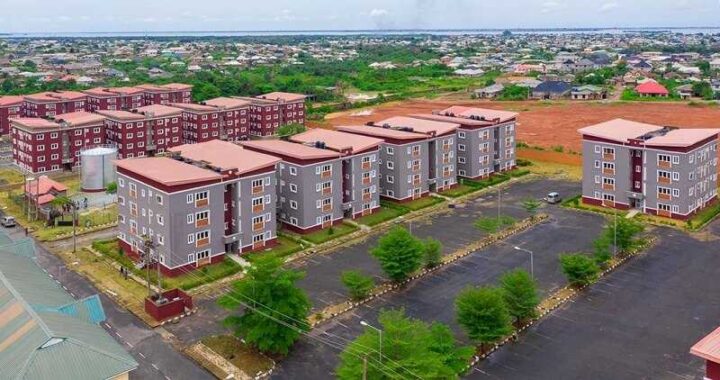
The rise of digital platforms and online booking services has also accelerated the sector’s growth. Mobile applications and property listing websites now make it easier for customers to search, compare, and book accommodation directly. This digital transformation has lowered entry barriers for property owners while expanding visibility for short-let operators.
Yaba, often referred to as Nigeria’s technology hub due to its concentration of startups and innovation centers, contributes significantly to accommodation demand within the corridor. Business travelers, tech professionals, and corporate visitors frequently seek short-term lodging options close to workspaces and business meetings.
Gbagada, on the other hand, has become increasingly attractive because of its residential appeal, improved road connectivity, and relative accessibility to key parts of Lagos including the Island and Mainland business districts. The combination of both areas has created a strong ecosystem for short-let businesses.
Industry experts say the growth of short-let apartments also reflects broader shifts in consumer behavior. Many travelers now prefer apartment-style accommodation because it offers more space, kitchen facilities, and a homelike environment compared to conventional hotels. This trend has become particularly noticeable among younger consumers and long-stay visitors.
However, the rapid expansion of short-let properties has also raised concerns among residents and urban planners. Issues such as noise pollution, security challenges, and increased pressure on residential infrastructure have become common points of discussion in communities with high concentrations of short-term rentals.
Some residents argue that the conversion of residential properties into commercial short-let units can alter neighborhood dynamics and reduce the availability of long-term housing. Real estate professionals note that this trend may contribute to rising rental prices in certain areas as investors prioritize more profitable short-term rental models.
Regulatory oversight remains another major issue within the sector. Lagos authorities have increasingly shown interest in monitoring and regulating short-let operations to ensure compliance with tax, safety, and planning regulations. Industry stakeholders believe clear regulatory frameworks are necessary to balance investor interests with community concerns.
The hospitality industry has also been affected by the rise of short-let apartments. Hotels now face growing competition from apartment operators offering flexible pricing and personalized experiences. In response, some hospitality providers have begun incorporating apartment-style offerings into their business models.
From an investment perspective, short-let apartments are often viewed as attractive due to their income-generating potential. Property owners can benefit from higher daily or weekly rates, especially in high-demand locations such as Gbagada and Yaba. However, operators also face challenges including maintenance costs, fluctuating occupancy rates, and increased management requirements.
Security remains a major priority for operators and residents alike. Many short-let providers now invest in surveillance systems, identity verification processes, and on-site management to address safety concerns and maintain customer trust.
The broader Lagos real estate market continues to evolve in response to urbanization, population growth, and changing economic conditions. Flexible housing solutions such as short-let apartments are expected to remain an important segment of the market, particularly in areas with strong commercial and social activity.
Experts also point to the role of infrastructure in sustaining the sector’s growth. Improved road networks, reliable electricity, internet connectivity, and transportation access significantly influence the attractiveness of short-let locations. Areas with better infrastructure are generally able to command higher occupancy and rental rates.
Economic conditions may also shape future demand. Inflation, exchange rate fluctuations, and changes in consumer spending patterns can affect travel and accommodation preferences. Nonetheless, the continued expansion of business activities and digital services in Lagos is expected to sustain demand for flexible housing options.
The recording of 231 active short-let apartments within the Gbagada-Yaba corridor reflects the growing integration of technology, hospitality, and real estate within Lagos’ urban economy. It also underscores the increasing importance of alternative accommodation models in meeting the needs of a dynamic and mobile population.
As the sector continues to expand, stakeholders say collaboration between regulators, operators, and communities will be essential to ensure sustainable growth. Balancing profitability with urban planning, security, and residential stability will remain critical in shaping the future of short-let operations in Lagos.
Support InfoStride News' Credible Journalism: Only credible journalism can guarantee a fair, accountable and transparent society, including democracy and government. It involves a lot of efforts and money. We need your support. Click here to Donate