
Nigeria is losing an estimated ₦600 billion annually to illegal container sales and related sharp practices within the ports and logistics value chain, according to industry concerns highlighted by maritime and trade stakeholders. The figure underscores growing worries about revenue leakages, weak enforcement mechanisms, and inefficiencies in port operations that continue to undermine government revenue and trade competitiveness.
The issue of illegal container sales typically involves unauthorized release, diversion, or fraudulent disposal of imported containers and their contents outside approved customs procedures. Such practices are said to distort official import documentation, reduce collectible duties, and create opportunities for large-scale revenue evasion.
Stakeholders in the maritime sector have repeatedly warned that inefficiencies at Nigeria’s ports not only affect government earnings but also increase the cost of doing business, discourage legitimate trade, and weaken investor confidence in the logistics and shipping environment.
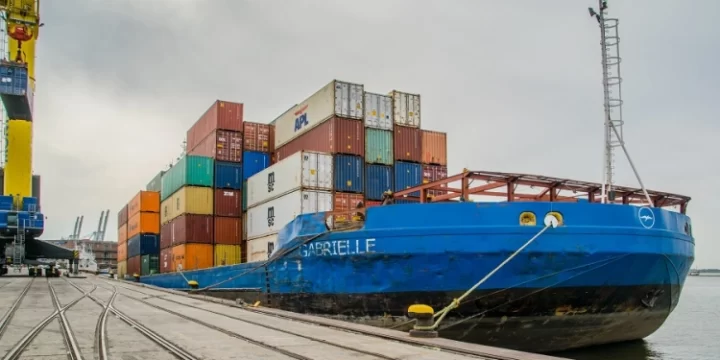
The operations of the Nigerian Ports Authority and the Nigeria Customs Service are central to container clearance, inspection, and revenue collection processes across the country’s seaports. Both agencies play key roles in ensuring that imports are properly documented, assessed, and taxed in line with national regulations.
However, industry experts say systemic challenges such as corruption risks, manual clearance loopholes, overlapping procedures, and inadequate digitisation of port processes have created vulnerabilities that can be exploited by illegal operators within the supply chain.
Nigeria’s ports handle a significant volume of West Africa’s maritime trade, making them critical to regional commerce. Because of this, even small inefficiencies or leakages in the system can translate into substantial revenue losses for the government.
Analysts note that the estimated ₦600 billion loss represents a significant fiscal burden at a time when the government is seeking to boost non-oil revenue and reduce reliance on borrowing. Improved port efficiency is therefore seen as essential for fiscal stability and economic growth.
The maritime sector has long been identified as a strategic revenue source for Nigeria, particularly through customs duties, port charges, and related logistics services. However, persistent operational challenges have limited its full revenue potential.
Experts say illegal container sales also contribute to market distortions, as goods that bypass official channels can be sold at lower prices, undermining legitimate importers who comply with regulatory and tax obligations.
This creates an uneven competitive environment that discourages compliance and reduces overall efficiency in the trade ecosystem.
Efforts to modernise port operations have included digital clearance systems, automation of customs processes, and introduction of electronic documentation platforms by the Nigeria Customs Service. These reforms aim to reduce human interference, improve transparency, and enhance revenue collection efficiency.
Despite these reforms, stakeholders argue that enforcement gaps remain a major challenge. Weak coordination among agencies, infrastructure limitations, and corruption risks continue to affect the effectiveness of port reforms.
The Nigerian Ports Authority has also been involved in efforts to improve port infrastructure, expand capacity, and streamline cargo handling processes. However, experts say operational bottlenecks still persist in some terminals.
Trade analysts emphasize that improving port efficiency is critical for Nigeria’s broader economic diversification agenda. Efficient ports reduce logistics costs, shorten clearance times, and improve the competitiveness of Nigerian exports and imports.
The manufacturing and retail sectors are particularly affected by inefficiencies in port operations, as delays and informal practices increase the cost of imported raw materials and finished goods.
Nigeria’s ambition to position itself as a regional trade hub depends heavily on the reliability and transparency of its port systems. Industry observers say addressing revenue leakages such as illegal container sales is essential for achieving this goal.
Security agencies and anti-corruption bodies have also been called upon by stakeholders to strengthen monitoring and enforcement within port environments to curb fraudulent practices and improve accountability.
Economists argue that plugging revenue leakages in the maritime sector could significantly improve government fiscal performance without necessarily increasing taxes or borrowing. This makes port reform a key component of Nigeria’s revenue mobilisation strategy.
The private sector has also advocated for greater adoption of technology-driven solutions such as blockchain-based tracking systems, advanced cargo scanning technologies, and real-time monitoring platforms to enhance transparency in cargo handling.
Improved stakeholder collaboration between shipping companies, terminal operators, customs officials, and logistics firms is also seen as necessary for reducing inefficiencies and preventing illegal activities within the supply chain.
The estimated ₦600 billion loss highlights the scale of inefficiencies within Nigeria’s import and export system and the urgent need for comprehensive reforms to strengthen institutional capacity and reduce corruption risks.
For now, attention remains focused on how the Nigeria Customs Service and the Nigerian Ports Authority can deepen reforms, improve enforcement, and close loopholes that continue to drain public revenue and undermine trade efficiency.
Support InfoStride News' Credible Journalism: Only credible journalism can guarantee a fair, accountable and transparent society, including democracy and government. It involves a lot of efforts and money. We need your support. Click here to Donate