
Passengers traveling to Nigeria aboard a Delta Air Lines international flight were left stranded after the aircraft reportedly turned back to the United States following nearly eight hours in the air, triggering concerns among travelers and raising questions about operational disruptions affecting long-haul international routes.
According to reports surrounding the incident, the flight had departed from the United States en route to Nigeria before the crew made the decision to return mid-journey. The unexpected reversal reportedly caused inconvenience for passengers, many of whom had already spent several hours onboard before the aircraft headed back to its departure location.
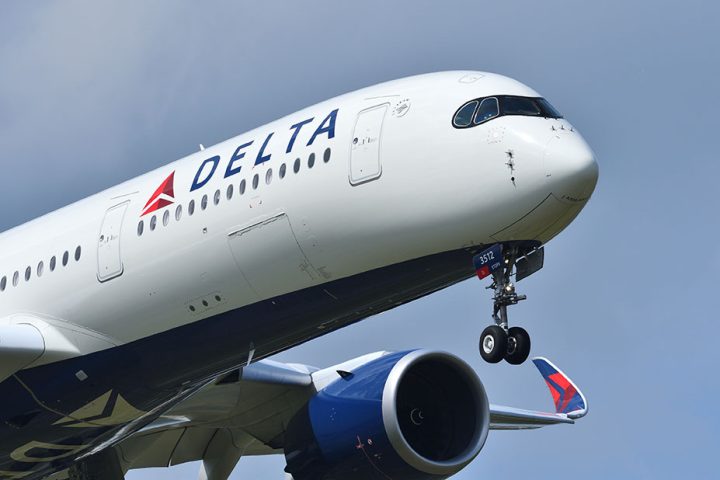
While details regarding the exact cause of the turnaround remain limited, airline disruptions involving technical concerns, weather conditions, operational restrictions, or safety-related issues are not uncommon in long-haul aviation operations. Aviation experts emphasize that flight crews and airlines generally prioritize passenger safety when making diversion or return decisions.
The incident involving Delta Air Lines has drawn attention because international routes between the United States and Nigeria serve thousands of travelers annually, including business executives, tourists, students, and members of the Nigerian diaspora.
Passengers reportedly experienced delays, uncertainty, and logistical challenges after the aircraft returned to the United States. Such disruptions often affect connecting travel arrangements, accommodation plans, and scheduled business or family activities.
Industry analysts note that long-haul international flights involve complex operational planning, including fuel management, air traffic coordination, aircraft performance monitoring, weather assessment, and regulatory compliance. Any operational irregularity may require immediate action to ensure safety.
Aviation safety protocols require airlines to respond quickly to any situation that could potentially affect aircraft performance or passenger welfare. Decisions to return to the departure airport are often made out of caution, particularly on transatlantic routes where diversion options may be limited depending on flight position and operational circumstances.
The aviation industry globally has experienced increased operational pressures in recent years due to supply chain disruptions, aircraft maintenance delays, staffing shortages, and rising fuel costs. These factors have occasionally contributed to flight delays, cancellations, and schedule adjustments.
The incident also highlights the importance of effective passenger communication during disruptions. Travelers affected by long delays or diversions typically expect timely updates, rebooking support, accommodation assistance, and compensation where applicable under airline policies.
Nigeria remains one of Africa’s busiest aviation markets, with strong passenger traffic between Lagos, Abuja, and major international destinations such as Atlanta, New York, London, and Dubai. International airlines continue to maintain significant operations into the country due to sustained travel demand.
Industry stakeholders say disruptions involving major international routes can affect passenger confidence and airline scheduling efficiency. Long-haul flight interruptions may also create operational ripple effects across multiple airports and connecting routes.
The aviation sector has become increasingly sensitive to operational reliability because passengers now rely heavily on air travel for business, tourism, education, migration, and international trade activities.
Airlines operating intercontinental routes are also under pressure to maintain high safety standards while managing rising operational costs linked to fuel prices, maintenance requirements, and global economic uncertainty.
Aviation experts stress that aircraft turnaround decisions are usually based on strict safety assessments conducted by pilots, maintenance teams, and operational control centers. International aviation regulations prioritize safety above schedule convenience or commercial considerations.
The Federal Aviation Administration (FAA) and other aviation authorities generally require airlines to comply with detailed operational and maintenance standards before aircraft can resume service following technical reviews or operational incidents.
Passengers affected by such disruptions often face additional financial and emotional strain, particularly on international journeys involving long travel durations, connecting flights, or urgent personal commitments.
Travel analysts note that demand for direct flights between Nigeria and the United States has remained strong despite operational challenges facing global aviation. Airlines serving these routes continue to compete on service quality, reliability, and route efficiency.
The incident may also renew conversations about passenger rights and airline accountability during operational disruptions. Aviation consumer protection frameworks in several countries outline obligations regarding refunds, rebooking arrangements, and customer assistance.
Industry observers say weather conditions, technical checks, crew operational limits, or aircraft system alerts are among the common factors that may necessitate mid-flight diversions or returns on international routes.
The broader aviation sector continues to recover from disruptions experienced during the COVID-19 pandemic, though operational challenges persist due to fluctuating travel demand and infrastructure pressures.
Nigeria’s aviation market remains strategically important because of its large population, growing middle class, and significant international travel volume. Reliable international connectivity is therefore critical for business, tourism, and economic engagement.
Airline operators serving Nigerian routes continue to face additional challenges including currency volatility, high operating costs, airport infrastructure concerns, and fuel supply pressures within the broader African aviation market.
Experts argue that maintaining passenger trust requires transparent communication and efficient disruption management whenever operational issues arise. Prompt customer support can significantly reduce frustration during unexpected travel interruptions.
For now, passengers affected by the Delta Air Lines incident remain focused on completing their journeys, while aviation stakeholders continue monitoring the operational and safety factors that led to the aircraft’s return after spending nearly eight hours airborne.
Support InfoStride News' Credible Journalism: Only credible journalism can guarantee a fair, accountable and transparent society, including democracy and government. It involves a lot of efforts and money. We need your support. Click here to Donate