
The Nigerian Ports Authority (NPA) has reported a staggering 1,085% surge in export container traffic during the third quarter of the year, marking a significant rebound in Nigeria’s export activities and highlighting the country’s growing role in global trade. According to reports from Punch and other Nigerian news outlets, the surge in export containers is attributed to a combination of factors, including improved logistics, enhanced port operations, and the growing demand for Nigerian goods in international markets.
The NPA’s quarterly report revealed that containerised exports surged to record levels, with an increase in both the volume of goods and the number of containers processed for export. The authority noted that this positive performance follows a period of reduced trade activity in previous years due to logistical constraints, COVID-19 disruptions, and other external factors that had hindered smooth port operations.
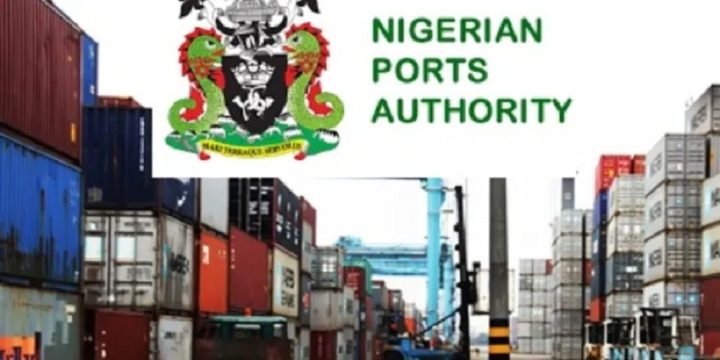
According to industry analysts, the remarkable growth in export container traffic underscores the effectiveness of recent reforms and improvements in Nigeria’s port infrastructure. Stakeholders have long called for modernisation and efficiency in port operations, and the NPA’s efforts to streamline processes seem to be yielding positive results.
The surge was also linked to increased interest in Nigerian agricultural products, including cocoa, sesame seeds, and cashew nuts, which have seen rising demand in international markets. Analysts noted that as these agricultural exports grow, so does the volume of containers being moved through Nigerian ports. Furthermore, Nigerian manufacturers are also beginning to take advantage of the improved export facilities to boost their market reach beyond the continent.
The NPA attributed part of the growth to reforms designed to ease congestion, reduce delays, and improve the overall efficiency of port operations. These reforms include the introduction of electronic documentation, improved cargo handling systems, and enhanced coordination between customs, port operators, and other relevant agencies.
The NPA has also focused on reducing turnaround time for ships, enabling quicker vessel clearance and contributing to a smoother flow of goods through the ports. According to officials, this has not only sped up the export process but also lowered the overall cost of exportation, making Nigerian goods more competitive in global markets.
Reports from the NPA indicated that the Lagos ports, particularly the Apapa and Tin Can Island ports, saw the most significant increases in container exports. However, the authority also pointed to rising activity at other ports in the country, such as Port Harcourt and Calabar, which have benefitted from increased trade volumes as exporters seek alternative routes to reduce congestion in Lagos.
While the surge in export containers is seen as a positive development, some experts caution that the continued growth of export traffic will require sustained investment in infrastructure, particularly in road networks, rail connections, and warehousing facilities. Poor road conditions and inadequate transportation infrastructure have often been cited as key obstacles to maximising the full potential of Nigeria’s ports.
The NPA has acknowledged these challenges and is reportedly working on improving hinterland connectivity to ensure that goods can move efficiently from production centres to the ports. The authority is also exploring the use of technology to facilitate seamless customs and clearance procedures, further driving the competitiveness of Nigerian exports.
In addition to agricultural exports, oil and gas exports, especially refined products, have also contributed to the overall increase in export container traffic. However, industry stakeholders believe that a more diversified export portfolio will further bolster the country’s export capacity and reduce its reliance on oil-related revenues.
The impressive growth in export container traffic was also seen as a positive indicator of the broader economic recovery in Nigeria. With global demand for Nigerian products on the rise, particularly from Asia and Europe, the NPA’s report is seen as a reflection of Nigeria’s potential to tap into global supply chains and expand its export base.
However, the continued surge in container exports will require the Nigerian government to address several persistent challenges in the port sector. Key issues include improving port security, reducing costs associated with clearing goods, and tackling the issue of corruption that sometimes slows down the clearance process.
Reports further indicated that the NPA is working with the Nigerian Customs Service to enhance the automation of port services and improve the inspection process. This collaborative approach aims to further reduce bottlenecks and streamline procedures, encouraging more exporters to use Nigerian ports for their logistics needs.
Industry leaders have praised the NPA for its efforts to modernise port operations, but they emphasised the need for continued reforms to ensure that the ports can accommodate rising volumes of goods without compromising efficiency or security. They also called for greater investment in training and development for port staff, to equip them with the necessary skills to handle advanced technologies and modern logistics systems.
The increased export container traffic is also seen as a boost to Nigeria’s overall trade balance, as more goods are exported than imported, potentially reducing the country’s trade deficit. Experts suggested that continued expansion in exports, particularly in non-oil sectors, could help stabilise the Nigerian economy by diversifying sources of revenue and enhancing foreign exchange earnings.
As Nigeria continues to diversify its exports, the NPA’s success in managing this growth will be critical. Future efforts will need to focus not only on improving port capacity but also on fostering partnerships between government, business, and the logistics sector to sustain long-term growth in exports.
In summary, the NPA’s report of a 1,085% surge in export container traffic in the third quarter of the year underscores the progress Nigeria has made in boosting its export capacity. With continued reforms, infrastructure investment, and a focus on improving logistics, Nigeria’s ports are poised to play a key role in the country’s economic growth, both regionally and globally.
Support InfoStride News' Credible Journalism: Only credible journalism can guarantee a fair, accountable and transparent society, including democracy and government. It involves a lot of efforts and money. We need your support. Click here to Donate