
TAJBank has reported a significant expansion in its total assets, which rose to N1.34 trillion, reinforcing its position as one of the fast-growing non-interest financial institutions in Nigeria. The development reflects continued balance sheet growth, rising customer confidence, and sustained adoption of its ethical banking model.
The bank’s latest performance highlights the increasing relevance of non-interest banking in Nigeria’s financial system, particularly among customers seeking Sharia-compliant financial services. TAJBank’s growth trajectory has been driven by expansion in deposits, increased financing activities, and broader customer acquisition across retail, small business, and corporate segments.
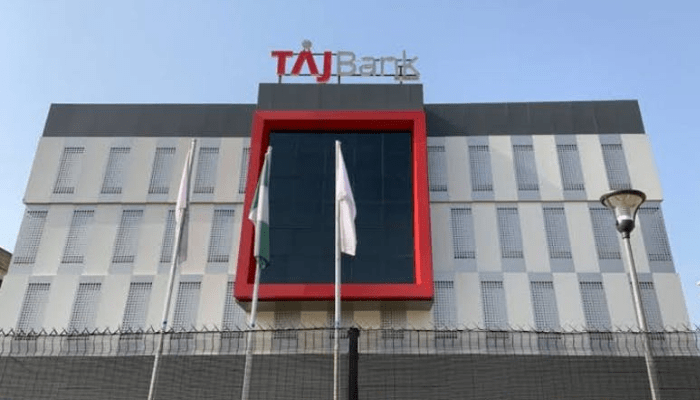
According to financial reports, the asset growth was supported by a combination of improved liquidity management and strategic deployment of funds into low-risk, income-generating assets. The bank has continued to strengthen its financing portfolio while maintaining strict compliance with non-interest banking principles, which prohibit interest-based transactions and emphasize profit-sharing, asset-backed financing, and ethical investment structures.
Industry analysts note that the expansion to N1.34 trillion in assets places TAJBank among the notable players in Nigeria’s non-interest banking segment. The sector has witnessed gradual growth in recent years, driven by rising awareness, demographic demand, and increased regulatory support for alternative banking models.
The Central Bank of Nigeria has played a key role in enabling the growth of non-interest financial institutions by providing regulatory frameworks that support Islamic banking principles and other ethical finance structures. This has allowed banks like TAJBank to operate alongside conventional banks while serving a niche but expanding customer base.
TAJBank’s leadership stated that the milestone reflects strong customer trust and effective execution of its long-term growth strategy. The bank emphasized its commitment to delivering innovative financial solutions tailored to individuals and businesses seeking alternatives to conventional interest-based banking systems.
A major driver of the bank’s growth has been its focus on expanding access to financing for small and medium-sized enterprises (SMEs). SMEs represent a critical segment of Nigeria’s economy, contributing significantly to employment and GDP growth. By providing structured financing solutions, TAJBank has been able to support business expansion while also growing its asset base.
The bank has also invested in digital banking platforms to improve service delivery and broaden its reach. Digital transformation has become a key factor in the competitiveness of financial institutions, enabling faster onboarding, improved transaction efficiency, and greater accessibility for customers in both urban and rural areas.
Analysts point out that asset growth in banking is typically driven by a combination of deposit mobilization, credit expansion, and effective risk management. TAJBank’s ability to balance these factors has contributed to its sustained upward trajectory in a competitive financial services environment.
The non-interest banking sector continues to attract attention from investors and customers alike, particularly as awareness of Islamic finance principles increases. The model is often seen as promoting financial inclusion by appealing to individuals who may prefer ethical or religiously compliant financial services.
Market observers also highlight that competition within Nigeria’s banking sector has intensified, with institutions focusing on innovation, customer experience, and digital integration to maintain relevance. TAJBank’s growth indicates its ability to compete effectively within this dynamic environment while maintaining a clear niche positioning.
In addition to asset growth, the bank has been expanding its product offerings to include trade finance, personal banking solutions, and investment products structured under non-interest principles. These offerings are designed to meet diverse customer needs while ensuring compliance with ethical finance standards.
Financial experts suggest that continued growth in the non-interest banking segment will depend on regulatory stability, product innovation, and increased public awareness. As more customers become familiar with alternative banking models, institutions like TAJBank are expected to benefit from rising demand.
The bank’s performance also reflects broader trends in Nigeria’s financial sector, where digital adoption, financial inclusion initiatives, and economic diversification efforts are shaping growth patterns. Banks that are able to align with these trends are more likely to sustain long-term expansion.
TAJBank reiterated its commitment to maintaining strong corporate governance standards, risk management frameworks, and customer-centric service delivery. These factors are considered essential for sustaining trust and ensuring long-term financial stability in the banking industry.
As the Nigerian financial system continues to evolve, TAJBank’s achievement of N1.34 trillion in assets underscores the growing role of non-interest banking in shaping the future of financial services. The institution’s performance suggests continued momentum as it seeks to deepen its market presence and expand its contribution to economic development.
Support InfoStride News' Credible Journalism: Only credible journalism can guarantee a fair, accountable and transparent society, including democracy and government. It involves a lot of efforts and money. We need your support. Click here to Donate