
A founding member of the All Progressives Congress (APC), Osita Okechukwu, has said President Bola Tinubu’s economic reforms have failed to improve the living conditions of ordinary Nigerians, despite recording some gains at the macroeconomic level.
Okechukwu made the remarks during an interview on Arise Television’s Prime Time programme on Tuesday, where he assessed the impact of the administration’s economic policies.
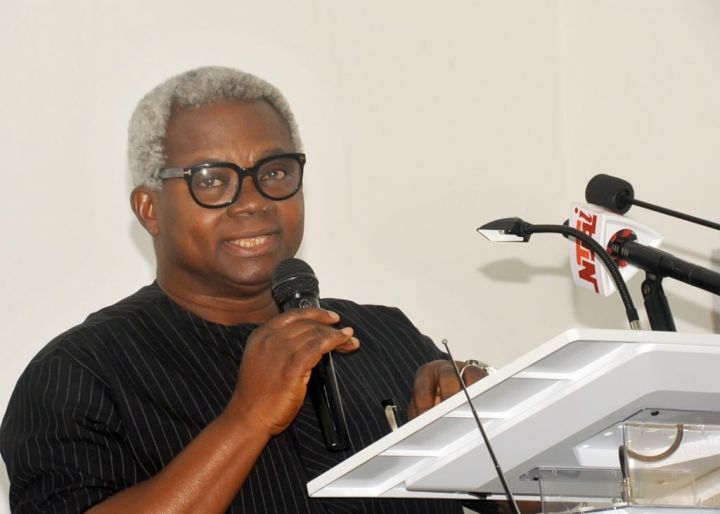
He acknowledged that some broader economic indicators had improved but argued that the benefits had not translated into better living conditions for citizens.
“The economic reforms have done well at the macroeconomic level, but microeconomic indicators are very poor,” he said.
The APC chieftain identified the high cost of living, declining purchasing power and unemployment as major challenges confronting Nigerians, arguing that the reforms had not provided the expected relief.
“When we talk about the purchasing power of the citizenry, the high cost of living and joblessness, the president’s economic reform programme has not helped,” he stated.
Okechukwu also questioned the assumption that the reforms would stimulate private-sector growth, saying small and medium-sized enterprises continued to face difficult operating conditions.
According to him, businesses expected to benefit from increased private-sector activity have struggled because of factors that continue to constrain production and investment.
“It didn’t help because the assumption in the neoliberal doctrine is that it will propel the private sector. However, there are indicators inhibiting that growth. Small-scale and medium-scale industries are performing poorly,” he said.
He specifically cited the floating of the naira, which he said had made it more difficult for businesses to import machinery, while rising energy costs had further increased their operational expenses.
“When you float the naira, it becomes difficult for them to import machinery, and rising energy costs make it even more difficult. These are tangential to the reform programme,” he added.
Tinubu’s economic reforms include the removal of the petrol subsidy and changes to the foreign exchange market, policies the Federal Government has defended as necessary to improve economic management, attract investment and strengthen public finances.
However, the measures have also attracted criticism over their impact on household incomes, transportation costs, food prices and the ability of businesses to remain operational.
Okechukwu’s comments highlight concerns within the ruling party over the gap between improvements in broader economic indicators and the everyday experiences of Nigerians.
His assessment comes as political parties prepare for the 2027 general elections, with the performance of the Tinubu administration’s economic policies expected to remain a major issue in public debate.
Support InfoStride News' Credible Journalism: Only credible journalism can guarantee a fair, accountable and transparent society, including democracy and government. It involves a lot of efforts and money. We need your support. Click here to Donate