
Nigeria’s power sector is set for a boost as plans emerge for the deployment of 40 new mini-grid projects expected to generate a combined 288 megawatts (MW) of electricity. The initiative is part of ongoing efforts to expand energy access, particularly in underserved and off-grid communities, while supporting the country’s transition toward more sustainable and decentralized power solutions.
Mini-grids—localized electricity systems that can operate independently or in conjunction with the national grid—have increasingly become a key strategy for addressing Nigeria’s persistent power supply challenges. With millions of Nigerians lacking reliable access to electricity, stakeholders view mini-grids as a practical solution for bridging the energy gap, especially in rural and peri-urban areas.
The projects are being developed under regulatory frameworks established by the Nigerian Electricity Regulatory Commission (NERC), which has introduced guidelines to encourage private sector participation in off-grid power generation. These frameworks aim to streamline licensing processes, ensure cost-reflective tariffs, and protect both investors and consumers.
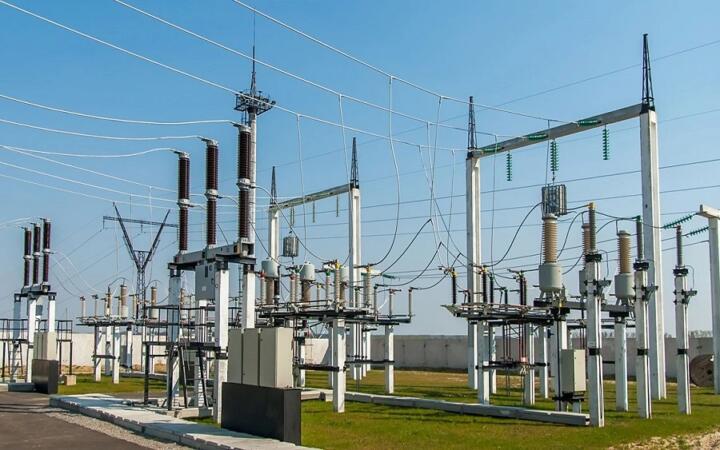
According to industry stakeholders, the planned 40 mini-grids will collectively contribute 288MW to Nigeria’s electricity capacity. This translates to an average of approximately 7.2MW per mini-grid (calculated as 288MW ÷ 40 projects), although actual capacities may vary depending on location, technology, and demand profiles. These systems are expected to utilize a mix of energy sources, including solar, hybrid systems, and in some cases, small-scale thermal generation.
The initiative aligns with broader government programs aimed at improving energy access, such as the Rural Electrification Strategy and Implementation Plan (RESIP). The Rural Electrification Agency (REA) has been at the forefront of promoting mini-grid deployment through partnerships with private developers, donor agencies, and financial institutions. By leveraging both public and private resources, the agency aims to accelerate electrification in areas that are not economically viable for traditional grid extension.
Energy experts note that mini-grids offer several advantages over centralized power systems. They can be deployed more quickly, require lower capital investment per connection, and are better suited to meet localized energy needs. In addition, the use of renewable energy sources, particularly solar, makes them environmentally sustainable and reduces reliance on fossil fuels.
The addition of 288MW, while modest compared to national grid capacity, is significant in the context of decentralized energy solutions. Nigeria’s total installed grid capacity is estimated to be over 10,000MW, although actual available capacity is often lower due to operational constraints. Mini-grids, therefore, play a complementary role by providing reliable power where the grid is absent or unreliable.
For communities benefiting from these projects, access to electricity can have transformative effects. Reliable power enables small businesses to operate more efficiently, supports healthcare services, improves educational outcomes, and enhances overall quality of life. In many rural areas, mini-grids can replace expensive and polluting diesel generators, leading to cost savings and environmental benefits.
The private sector is expected to play a central role in the development and operation of these mini-grids. Investors are increasingly attracted to the sector due to supportive policies, growing demand, and opportunities for innovation. Financing models often involve a combination of equity, debt, and grants, particularly for projects targeting low-income communities.
However, challenges remain. High upfront costs, currency risks, and regulatory uncertainties can affect project viability. Ensuring affordability for end-users while maintaining financial sustainability for developers is a delicate balance. To address these issues, stakeholders have called for continued policy support, including subsidies, risk guarantees, and access to concessional financing.
Another key factor is community engagement. Successful mini-grid projects typically involve active participation from local communities, including awareness campaigns, demand assessments, and capacity building. This helps ensure that systems are properly utilized and maintained over time.
Digital technology is also playing an increasing role in mini-grid operations. Smart meters, remote monitoring systems, and mobile payment platforms enable efficient management and revenue collection. These innovations improve transparency, reduce losses, and enhance the overall sustainability of projects.
From a policy perspective, the expansion of mini-grids supports Nigeria’s broader energy transition goals. As global efforts to combat climate change intensify, there is growing emphasis on renewable energy and low-carbon solutions. Mini-grids, particularly those powered by solar energy, align with these objectives while addressing local energy needs.
The Federal Government has reiterated its commitment to achieving universal energy access, in line with international targets such as Sustainable Development Goal 7 (SDG 7), which focuses on affordable and clean energy. The deployment of 40 new mini-grids represents a step toward this goal, although much more investment will be required to meet nationwide demand.
Analysts also highlight the potential for scaling up mini-grid deployment. With the right policies and financing mechanisms, Nigeria could significantly expand its decentralized energy capacity. This would not only improve energy access but also create jobs, stimulate local economies, and support industrial development.
As implementation progresses, attention will be on project timelines, funding arrangements, and operational performance. The success of these mini-grids will depend on effective coordination among government agencies, private developers, and local communities.
For now, the planned addition of 288MW through 40 mini-grids signals continued momentum in Nigeria’s efforts to address its energy challenges. While not a complete solution, these projects represent a practical and scalable approach to improving electricity access and supporting sustainable development.
Support InfoStride News' Credible Journalism: Only credible journalism can guarantee a fair, accountable and transparent society, including democracy and government. It involves a lot of efforts and money. We need your support. Click here to Donate