
The Chief Executive Officer of the Dangote Refinery has called for the closure of inefficient refineries, arguing that continued operation of non-performing facilities places unnecessary financial pressure on economies and undermines efforts to build a sustainable and competitive downstream petroleum sector.
The remarks come amid ongoing debates over the future of refining operations in Nigeria and across Africa, particularly as governments and private investors seek to improve energy security, reduce fuel import dependence, and modernize refining infrastructure.
According to industry stakeholders, inefficient refineries often operate below capacity, require repeated maintenance interventions, and consume significant public resources without delivering expected output. The Dangote Refinery CEO reportedly stressed that countries should prioritize operational efficiency and profitability rather than maintaining unproductive facilities for political or symbolic reasons.
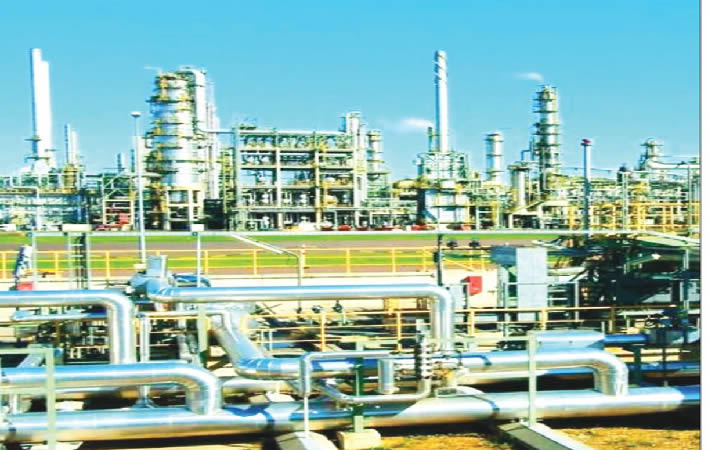
Nigeria has historically faced major challenges with state-owned refineries located in Port Harcourt, Warri, and Kaduna. Despite multiple turnaround maintenance efforts and substantial public expenditure over the years, the facilities have struggled to sustain stable production levels. This has forced the country to depend heavily on imported refined petroleum products despite being one of Africa’s largest crude oil producers.
The Nigerian National Petroleum Company Limited (NNPC Ltd) has continued rehabilitation efforts on government-owned refineries, insisting that the facilities can still become commercially viable with modernization and proper management. However, critics argue that repeated investments in underperforming assets have delivered limited long-term results.
The comments from the Dangote Refinery leadership have intensified discussions around privatization, deregulation, and private sector participation in the downstream petroleum industry. Analysts note that many countries globally have shifted toward privately operated refineries because of efficiency advantages, technological innovation, and stronger financial discipline.
The Dangote Refinery itself represents one of the largest refining investments in Africa. With a projected refining capacity of approximately 650,000 barrels per day, the facility is expected to significantly reduce Nigeria’s reliance on imported fuel and potentially transform regional petroleum trade.
Energy economists say inefficient refineries create economic distortions by increasing operational losses, reducing productivity, and limiting competitiveness within the energy sector. Maintaining such facilities through government subsidies can also divert resources away from critical sectors such as healthcare, infrastructure, and education.
The CEO reportedly emphasized that refinery operations should be commercially driven, with profitability and operational sustainability serving as key performance indicators. According to experts, modern refining requires continuous technological upgrades, strong maintenance systems, and efficient supply chain management to remain competitive.
Industry analysts also point to changing global energy trends. Many refining facilities worldwide are undergoing restructuring to improve efficiency, lower emissions, and adapt to evolving market conditions. Refineries unable to meet operational and environmental standards increasingly face pressure to shut down or modernize.
In Nigeria, the debate over refinery efficiency is closely tied to broader economic reforms in the oil and gas sector. The government has introduced measures aimed at liberalizing the downstream market, encouraging private investment, and improving fuel supply stability.
Supporters of refinery privatization argue that private operators are generally better positioned to manage costs, adopt innovation, and maintain profitability. They contend that state-owned enterprises often face bureaucratic inefficiencies, political interference, and weak accountability structures.
However, others caution that fully privatizing refinery operations could raise concerns about market concentration, fuel pricing control, and national energy security. Policymakers therefore face the challenge of balancing efficiency with affordability and strategic oversight.
The issue also has implications for employment and local economies. Refineries often serve as major employers and economic anchors in their host communities. Closing inefficient plants without clear transition plans could affect jobs and local business activity.
Stakeholders in the energy sector emphasize that decisions regarding refinery closures or restructuring should be guided by transparent economic analysis, operational performance data, and long-term national energy goals. Some experts advocate public-private partnerships as a middle-ground solution for improving efficiency while maintaining strategic oversight.
The emergence of large-scale private refining projects across Africa is changing the competitive landscape of the petroleum sector. Countries seeking to improve energy independence are increasingly turning to private investors capable of financing and managing complex industrial infrastructure.
For Nigeria, successful operation of modern facilities like the Dangote Refinery could reshape fuel supply dynamics and reduce the burden associated with maintaining underperforming public refineries. Analysts say this transition may influence future government policy decisions regarding the downstream sector.
The broader African market also presents opportunities for efficient refineries. Increased regional demand for refined petroleum products, combined with the African Continental Free Trade Area (AfCFTA), could strengthen cross-border fuel trade and industrial cooperation.
Despite the debate, there is broad agreement among industry participants that refinery efficiency is critical to long-term energy sustainability. Whether through closure, privatization, modernization, or restructuring, stakeholders believe underperforming facilities must undergo significant changes to remain viable.
As discussions continue, the comments from the Dangote Refinery CEO are likely to fuel further debate over the future structure of Nigeria’s refining industry and the broader role of government in managing strategic industrial assets.
Support InfoStride News' Credible Journalism: Only credible journalism can guarantee a fair, accountable and transparent society, including democracy and government. It involves a lot of efforts and money. We need your support. Click here to Donate