
Former basketball player Dwyane Wade has opened up about his decision to seek therapy after retirement. He recently shared his experience with mental health during a live Storyteller discussion with Jenna Bush Hager at the Tribeca Festival in New York City.
Stressing that he got depressed after calling time on his career, Wade stated that despite the fact that he previously had some resistance to the idea, he eventually had to speak to a therapist after quitting basketball.
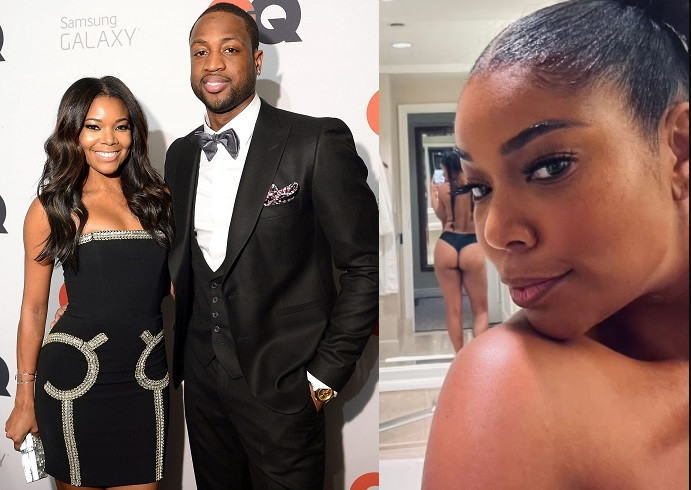
Dwayne added that he resorted to therapy because he needed an emotional outlet post-retirement.
His words, “Once you retire, that’s when, you know … you really go through a moment, a time of depression.
And it’s how you decide to handle that depression which is going to determine your next step because, you know — since I was 5 years old — that’s what I did, played basketball. And then I was really good at it. So now you’re coming out of this world and … now I got to get another skill.
I was the Black man that was like, ‘Therapy ain’t for me,’
Basketball not only was a place where I had so much success … it was also my outlet, you know what I mean? Like, I could scream. I can yell. I can curse. I could, you know — not fight — but you know, get a little aggressive out there, and I just can’t do all those things [in everyday life]. I can’t come home and do all those [things].
And so I was like, ‘Okay, where do I put this energy?’
It’s gonna go to the ones around you, and I didn’t wanna do that. And so the first thing I did in the midst of not knowing what to do, I just sat across from someone and started talking, you know?
We’ve been talking about this for a very long time and trying to figure out how to put [it] together, you know, the right group that young athletes will listen to.
A lot of athletes are getting money at very, very young ages. And I know what I did when I first got my money: I blew it.
We’re going to really talk [to younger athletes] about the mistakes we made and the successes we had, and what we learned along that process and who we learned to trust, who we learned not to trust, and really just getting to athletes and just sharing.
It’s really, you know, being able to meet them where they are as athletes and say, ‘Listen, I understand. I know you want to blow [it]. I know you want to spend it, because you haven’t had [it], your family hasn’t had it,’
No one talks about the protection of your money.”
WOW.
Support InfoStride News' Credible Journalism: Only credible journalism can guarantee a fair, accountable and transparent society, including democracy and government. It involves a lot of efforts and money. We need your support. Click here to Donate