
The Association of Licensed Telecommunications Operators of Nigeria (ALTON) has warned that ongoing regulatory disputes within Nigeria’s telecommunications sector could threaten the stability of the country’s estimated ₦400 billion airtime market, raising concerns about potential disruptions to digital services, investments, and consumer access.
The association expressed concern over what it described as overlapping regulations, conflicting directives, and increasing tensions between agencies operating within the telecom and financial ecosystem. Industry stakeholders say the situation could negatively affect telecom operators, airtime distributors, fintech companies, and millions of consumers who rely on mobile communication services daily.
Nigeria’s airtime market has grown rapidly over the years due to increasing mobile phone penetration, digital payment adoption, and expanding internet usage. Airtime purchases remain one of the most frequently conducted digital transactions in the country, serving as a critical revenue stream for telecom operators and associated distribution networks.
According to the Association of Licensed Telecommunications Operators of Nigeria, regulatory uncertainty could discourage investment and create operational bottlenecks that may weaken market confidence. The body emphasized that stable and coordinated regulation is necessary for sustaining growth within the telecommunications sector.
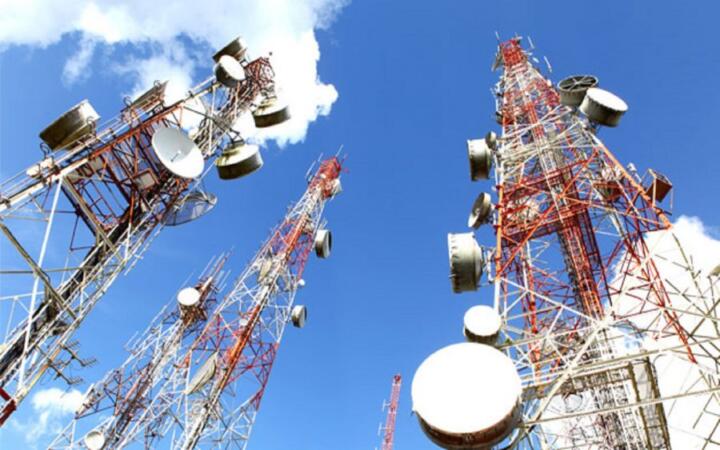
Telecommunications operators in Nigeria play a central role in the digital economy, supporting mobile communication, internet connectivity, fintech transactions, and digital commerce. Any disruptions within the airtime ecosystem could therefore have broader economic implications.
Industry analysts note that airtime distribution in Nigeria has evolved from traditional physical recharge cards to digital and electronic channels, including mobile banking apps, fintech platforms, USSD services, and online payment systems. This digital transformation has significantly expanded the market and increased transaction volumes.
The ongoing regulatory concerns reportedly involve issues related to licensing frameworks, transaction oversight, taxation, and the relationship between telecom operators and financial technology companies. Stakeholders fear that conflicting regulatory directives could create uncertainty for service providers and consumers alike.
The Nigerian Communications Commission (NCC) and the Central Bank of Nigeria (CBN) are among the key institutions involved in overseeing different aspects of the telecom and digital payment ecosystem. Industry observers say coordination between regulators is increasingly important as telecom and financial services become more interconnected.
Experts point out that Nigeria’s telecom sector has become one of the country’s most significant economic contributors, supporting employment, financial inclusion, and digital innovation. The sector also plays a major role in expanding access to banking and payment services through mobile technology.
ALTON warned that unresolved regulatory conflicts could affect service delivery and increase compliance costs for operators. Higher operational costs may ultimately be transferred to consumers through increased service charges or reduced investment in infrastructure expansion.
The association also emphasized the importance of protecting investor confidence. Telecommunications infrastructure requires substantial long-term investment in towers, fiber networks, data centers, and technology systems. Investors generally prefer stable and predictable regulatory environments before committing capital to such projects.
Industry stakeholders believe that regulatory clarity is especially critical as Nigeria accelerates digital transformation efforts. Mobile technology now supports sectors such as education, healthcare, e-commerce, transportation, and public services, making telecom infrastructure increasingly strategic to national development.
The estimated ₦400 billion airtime market reflects the scale of consumer demand for mobile communication services. With Nigeria’s large population and growing smartphone usage, airtime transactions continue to form a vital component of the broader digital economy.
Analysts also note that fintech companies have become deeply integrated into airtime distribution systems. Mobile wallets, banking applications, and digital payment platforms now process millions of airtime purchases daily. Regulatory disagreements affecting these partnerships could therefore disrupt transaction efficiency and customer experience.
The telecom industry has historically called for harmonized regulation to avoid duplication of oversight responsibilities and conflicting policy directives. Stakeholders argue that coordinated policymaking can improve operational efficiency and encourage innovation.
In recent years, Nigeria has witnessed increasing convergence between telecommunications and financial services. Telecom operators now provide services that extend beyond voice communication into areas such as mobile payments, digital lending, and data-driven services.
This convergence has created opportunities for innovation but has also raised regulatory complexities regarding jurisdiction, licensing, and consumer protection. Experts believe that effective collaboration between regulators will be necessary to manage this evolving landscape.
The broader economic implications of instability within the telecom sector are significant. Digital transactions, remote work, online education, and electronic commerce all depend heavily on reliable mobile and internet services.
ALTON therefore urged policymakers and regulatory agencies to prioritize dialogue and coordination in order to protect industry growth and avoid unnecessary disruptions. Industry observers believe that resolving regulatory tensions promptly could help maintain confidence within Nigeria’s expanding digital economy.
As the telecommunications sector continues to evolve, stakeholders expect ongoing discussions regarding regulatory frameworks, digital innovation, and market competition. The outcome of these discussions may shape the future structure of Nigeria’s telecom and fintech ecosystem.
For now, the warning from the Association of Licensed Telecommunications Operators of Nigeria highlights growing industry concern that unresolved regulatory disputes could threaten one of the country’s most active and economically important digital markets.
Support InfoStride News' Credible Journalism: Only credible journalism can guarantee a fair, accountable and transparent society, including democracy and government. It involves a lot of efforts and money. We need your support. Click here to Donate