
The planned expansion of the Dangote Refinery to a projected refining capacity of 1.4 million barrels per day (mbpd) is expected to generate approximately 95,000 jobs across various sectors of the Nigerian economy, according to industry stakeholders. The proposed expansion underscores the growing scale of the refinery project and its potential impact on employment, industrialization, and economic growth.
Located in Lagos, the Dangote Refinery is already regarded as one of the largest single-train refineries in the world. The facility was initially designed with a refining capacity of about 650,000 barrels per day, aimed at reducing Nigeria’s dependence on imported petroleum products. The latest expansion plan, if fully implemented, would significantly increase production capacity and position Nigeria as a major refining hub within Africa.
Stakeholders say the projected 95,000 jobs would include both direct and indirect employment opportunities spanning construction, engineering, logistics, transportation, maintenance, retail distribution, and support services. Large-scale industrial projects often create ripple effects throughout the economy, stimulating demand for skilled and unskilled labour across multiple industries.
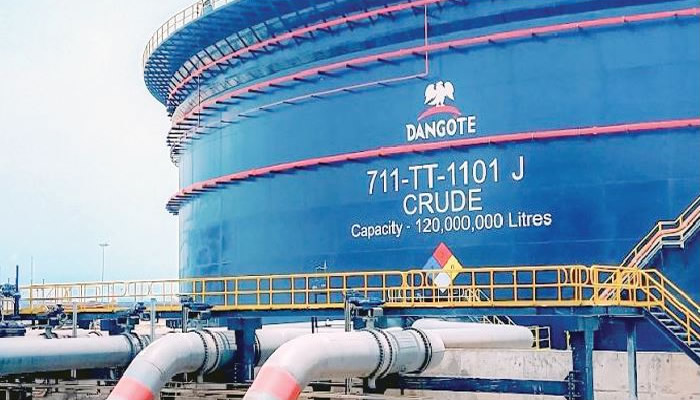
Industry analysts note that refinery expansion projects typically require substantial engineering and technical expertise. The involvement of local contractors, suppliers, and service providers is expected to further support employment generation and capacity development within Nigeria’s industrial sector.
However, while the employment projection has been widely circulated, I cannot independently verify the exact figure of 95,000 jobs from publicly available official documentation. Employment estimates associated with industrial projects often include indirect and induced jobs generated through supply chains and economic activity, which can vary depending on methodology and implementation scale.
Despite this, experts agree that the expansion of the Dangote Refinery is likely to have significant economic implications. Nigeria has long relied on imported refined petroleum products despite being one of Africa’s leading crude oil producers. Increasing local refining capacity is expected to reduce import dependence, conserve foreign exchange, and improve energy security.
The refinery’s expansion aligns with broader government efforts to strengthen domestic industrial capacity and reduce pressure on the foreign exchange market. Billions of dollars are spent annually on fuel imports, creating fiscal strain and exposing the economy to global supply disruptions. Enhanced local refining could help stabilize fuel availability and improve trade balances.
The project is also expected to stimulate growth in related sectors such as petrochemicals, plastics, fertilizers, and manufacturing. By-products generated through refining operations can support downstream industries and encourage the development of industrial clusters around the facility.
Employment generation remains a major national priority given Nigeria’s large and youthful population. Unemployment and underemployment continue to pose economic and social challenges, making large-scale projects with job creation potential particularly significant. Stakeholders believe that industrial investments of this magnitude can contribute to reducing unemployment while improving technical skills and workforce development.
The expansion could also increase demand for engineering and vocational training. As refinery operations become more sophisticated, there will likely be greater need for skilled professionals in fields such as mechanical engineering, chemical engineering, instrumentation, and industrial maintenance. Educational institutions and training centres may therefore benefit from increased demand for technical education.
The Nigerian National Petroleum Company Limited (NNPC Ltd), which has a stake in the refinery, is expected to play a role in supporting crude supply and broader operational integration. Collaboration between public and private sector entities is increasingly viewed as essential for achieving energy sector reforms and industrial development goals.
Energy experts argue that expanding local refining capacity could also improve fuel pricing stability over time. Reduced reliance on imported petroleum products may lower exposure to international shipping costs, foreign exchange fluctuations, and supply disruptions. However, analysts caution that pricing outcomes will still depend on broader market conditions and regulatory policies.
Infrastructure development around the refinery is another area expected to benefit from expansion activities. Increased industrial operations often require improvements in roads, ports, power supply, housing, and logistics networks. These developments can create additional economic opportunities for surrounding communities and businesses.
Environmental and sustainability considerations have also been raised by stakeholders. Large refining operations can have environmental impacts related to emissions, waste management, and resource use. Experts emphasize the importance of maintaining environmental compliance and adopting sustainable operational practices as expansion plans progress.
The broader African market presents another opportunity for the refinery. With increased capacity, Nigeria could potentially export refined petroleum products to neighboring countries, strengthening regional trade and reducing dependence on imports across the continent. This aligns with the objectives of the African Continental Free Trade Area (AfCFTA), which aims to boost intra-African trade.
Analysts also point out that the success of the expansion will depend on stable crude oil supply, efficient operations, and supportive policy frameworks. Challenges such as pipeline vandalism, oil theft, and foreign exchange volatility could affect long-term operational performance if not effectively addressed.
The refinery project has already become a symbol of Nigeria’s industrial ambitions, attracting attention both locally and internationally. Its scale and complexity demonstrate the potential for large private-sector investments to drive economic transformation and infrastructure development.
As plans for the proposed 1.4mbpd expansion move forward, stakeholders will be closely monitoring timelines, financing arrangements, and implementation progress. The project’s long-term success could reshape Nigeria’s downstream petroleum sector and significantly influence the country’s industrial trajectory.
For now, the anticipated expansion of the Dangote Refinery represents a major development within Nigeria’s energy landscape, with the promise of increased refining capacity, industrial growth, and large-scale employment opportunities.
Support InfoStride News' Credible Journalism: Only credible journalism can guarantee a fair, accountable and transparent society, including democracy and government. It involves a lot of efforts and money. We need your support. Click here to Donate