
Event structures made from inflatable materials are becoming increasingly practical for trade shows, brand activations, outdoor exhibitions, festivals, and other promotional events.
The minimal material weight, low transport space requirements, and unique design enable large-format installations to be deployed with significantly less equipment than many traditional structures. Whether it’s a branded shelter or an inflatable product replica, these structures can also provide a unique and memorable setting, while also making event planning easier. But quick installation should not be the end-all, be-all of suitable installation or weather planning.
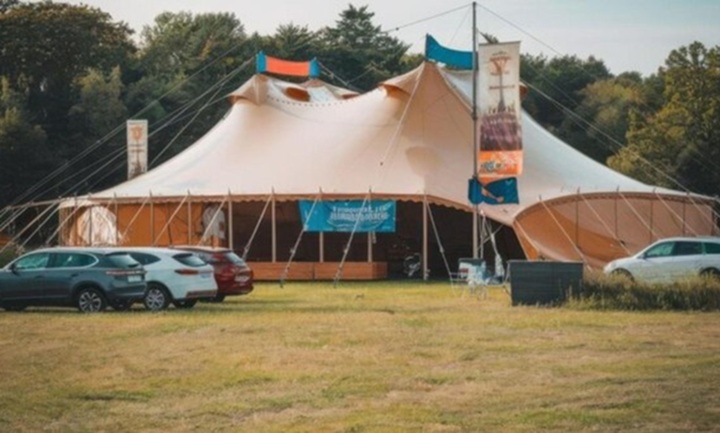
Choosing the right site, checking the rig, selecting the right inflation equipment, securing all the designated anchor points, and monitoring operating conditions are essential to a successful inflatable setup. Always follow manufacturer instructions and wind limits, as these can differ between structures, according to industry safety guidance.
5 Essential Steps for Operating and Securing Inflatable Event Structures
1. Prepare the Site Before Inflation
The first step in deployment is before the blower is turned on. The area chosen should allow for the size of the structure, anchoring system, visitors and equipment movement, and emergency access. Generally, a flat, level area is best, with the surrounding area being assessed for sharp objects, debris, overhead hazards, drainage, and possible obstacles.
When installing an outdoor branded structure, other factors like prevailing wind and brand manufacturer requirements should also be considered, such as custom inflatable arches. It is important to establish points of anchorage before they occur rather than after.
The importance of ground conditions is due to the fact that the technique of anchoring used will depend on the surface conditions. In areas where stakes are not appropriate, the manufacturer-recommended ballast or engineered anchoring systems may be needed.
2. Inspect the Structure and Inflation Equipment
Pre-deployment inspection can help spot issues before the facility opens. If fabric is visible, look for any ripples, wear and tear, loose seams, damaged connection points, or heavy usage. Anchor strapping, rings, ropes, valves, and attachment points should also be left intact.
The blower should be the same as the manufacturer’s and must be fastened securely to the inflation tube. Extension equipment and electrical connections should be suitable for the event environment and should be shielded from conditions which may cause electrical hazards.
After inflation, check the structure for abnormal sagging, deformation, excessive tension, or irregular inflation. Note: Operating pressure should not be set higher than the manufacturer’s specification.

3. Secure Every Anchor Point Correctly
One of the most important aspects of deploying inflatable structures is anchoring. The stability of the structure is strongly dependent on the ability of the anchoring system to resist wind and other external forces that tend to move the structure.
Each anchor point should be used following the recommended usage guidelines of the manufacturer. Check for damage to stakes, ropes, straps, ballast, and connection hardware, and ensure they are properly placed. Attachments used “as an alternative” to the prescribed anchoring system are not permitted.
On hard surfaces, use of stakes may be impractical, and other reasonable ballasting or engineered ground anchors may be needed. Specific requirements depend on the structure, surface, and manufacturer. For some inflatable safety applications, for instance, large ballast requirements are provided in the absence of ground stakes.
4. Monitor Wind, Pressure, and Weather Conditions
Overhead structures, such as inflatable structures, require weather monitoring. Wind can change rapidly around buildings, trees, exhibition halls, and other structures, and may differ significantly from the forecast.
Smartphones’ weather apps are not a good way to monitor local wind conditions, but an anemometer is. Always adhere to the manufacturer’s wind speed limits, and remove the structure from service before it reaches unsafe wind speeds.
Also, keep pressure within the manufacturer’s operating range. Changes in internal air pressure may occur as a result of variations in temperature, which is why extra monitoring is especially crucial during hot weather.
5. Deflate, Pack, and Store With the Next Event in Mind
“Proper operation” is carried out during the event. Any deflation should be done according to the manufacturer’s guidelines, electrical equipment should be disconnected safely, and the structure should be preserved from having to be dragged over abrasive surfaces.
Fabric needs to be checked for moisture, dirt, stains, and damage prior to folding. If a structure is packed while damp, it may smell or deteriorate, and items packed inside can cause abrasion during storage.
Items should be packed in an organized fashion, such as blowers, cables, anchoring gear, straps, repair materials, and carrying cases. An easy inventory list will help avoid missing parts from hampering the next event.
End Point
While effective and visually stunning, inflatable event structures require careful preparation and operation to be successful. A trustworthy event setup is built on the four pillars of site assessment, equipment inspection, appropriate anchoring, and continuous weather monitoring, as well as careful equipment storage. By following manufacturer recommendations throughout the installation process, you can ensure that the installation runs smoothly and that your structure, staff, guests, and investment are safeguarded. A quick setup is helpful—but a well-thought-out setup will make an inflatable event structure effective.
Support InfoStride News' Credible Journalism: Only credible journalism can guarantee a fair, accountable and transparent society, including democracy and government. It involves a lot of efforts and money. We need your support. Click here to Donate