
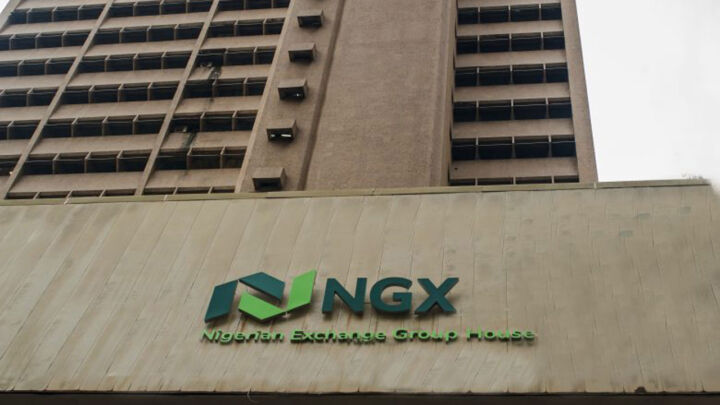
Foreign investment inflows into Nigeria’s equities market surged to ₦288 billion in March, signaling renewed interest from offshore investors and reflecting improved sentiment around the country’s financial markets. The development marks one of the strongest monthly performances in recent times for the Nigerian Exchange Limited (NGX), as foreign participation continues to rebound following recent economic reforms.
Data associated with the market performance indicates a significant increase in capital inflows compared to previous months, suggesting that international investors are gradually regaining confidence in Nigeria’s investment landscape. The rise in inflows is largely attributed to policy adjustments, currency reforms, and improved transparency in the foreign exchange market.
The unification of Nigeria’s foreign exchange system has been a major factor influencing investor sentiment. By reducing multiple exchange rate windows and improving price discovery, authorities have created a more predictable environment for foreign investors. This has helped address one of the key concerns previously raised by international fund managers—difficulty in repatriating funds.
The Central Bank of Nigeria (CBN) has also played a critical role in stabilizing the market. Through monetary policy tightening and liquidity management, the apex bank aims to control inflation and support the naira. These measures are seen as essential in restoring macroeconomic stability and attracting portfolio investments.
Foreign inflows are a crucial component of Nigeria’s capital market, providing liquidity, enhancing price discovery, and supporting overall market growth. When foreign participation increases, it often leads to higher trading volumes and improved market efficiency. The ₦288 billion recorded in March represents a strong signal that global investors are beginning to re-engage with Nigerian assets.
However, analysts caution that foreign portfolio investments can be volatile. Unlike long-term foreign direct investment, portfolio flows are highly sensitive to global economic conditions, interest rate changes, and risk perceptions. As a result, while the surge in inflows is positive, sustaining it will depend on consistent policy implementation and macroeconomic stability.
The performance of the Nigerian equities market has also contributed to attracting foreign investors. Positive returns, driven by strong corporate earnings and sectoral growth, have made Nigerian stocks more appealing. Sectors such as banking, telecommunications, and consumer goods have been particularly attractive to investors seeking exposure to emerging markets.
Nigeria’s large population and expanding consumer base continue to position it as a key investment destination in Africa. With over 200 million people, the country offers significant opportunities for growth across multiple sectors. Investors are increasingly looking at Nigeria not just for short-term gains but also for long-term potential.
The role of reforms under President Bola Ahmed Tinubu has also been highlighted by market participants. Policy changes aimed at improving transparency, reducing fiscal pressures, and enhancing investor confidence are beginning to influence capital flows. While challenges remain, the direction of reforms is seen as a positive step.
Despite the encouraging inflows, concerns about currency volatility persist. The naira has experienced fluctuations in recent months, which can impact investor returns. Exchange rate stability remains a key factor for foreign investors, as currency risk can significantly affect the attractiveness of investments.
Infrastructure and regulatory challenges also continue to influence investment decisions. While progress has been made in improving the ease of doing business, further reforms are needed to address bottlenecks and enhance competitiveness. Investors often consider factors such as regulatory clarity, legal frameworks, and operational efficiency when allocating capital.
Another important consideration is global economic conditions. Rising interest rates in developed markets can reduce the attractiveness of emerging market investments by offering safer alternatives with competitive returns. As such, Nigeria’s ability to maintain investor interest will depend not only on domestic policies but also on global financial trends.
Market experts emphasize the importance of maintaining momentum. Sustained inflows require consistent policy signals, improved economic indicators, and continued engagement with investors. Transparency and communication from regulatory authorities will also play a key role in building trust.
The Nigerian Exchange Limited (NGX) has been working to enhance market infrastructure and attract more participants. Initiatives aimed at improving trading systems, expanding product offerings, and increasing market accessibility are expected to support growth.
From a broader perspective, increased foreign inflows can have positive spillover effects on the economy. They can strengthen the financial system, support currency stability, and contribute to economic growth. However, reliance on portfolio flows also carries risks, particularly during periods of global uncertainty.
Economists therefore advocate a balanced approach that combines attracting foreign investment with strengthening domestic participation. Encouraging local investors, pension funds, and institutional players can provide stability and reduce dependence on external capital.
As Nigeria continues to implement reforms and navigate global economic challenges, the performance of its capital markets will remain a key indicator of investor confidence. The ₦288 billion inflow recorded in March represents a significant milestone, but sustaining this trend will require continued effort and policy consistency.
For now, the surge in foreign inflows highlights renewed optimism in Nigeria’s financial markets and underscores the potential for further growth if current reforms are effectively sustained.
Support InfoStride News' Credible Journalism: Only credible journalism can guarantee a fair, accountable and transparent society, including democracy and government. It involves a lot of efforts and money. We need your support. Click here to Donate