
Nigeria and Ghana have emerged as leading performers in Africa’s small-cap equities rally, with growing investor interest driving increased activity in smaller listed companies across both markets.
The rally reflects renewed optimism among investors seeking higher growth opportunities in emerging African markets, particularly within sectors such as banking, consumer goods, industrials, agriculture, and technology. Analysts say improving market sentiment, economic reforms, and relatively undervalued equities have contributed to stronger demand for small-cap stocks in the two countries.
Small-cap companies are typically firms with relatively lower market capitalization compared to large blue-chip corporations. These companies are often viewed as having higher growth potential, although they may also carry greater investment risk due to lower liquidity and higher market volatility.
Financial market experts note that the performance of small-cap stocks in Nigeria and Ghana reflects broader investor appetite for frontier and emerging market assets as global investors search for higher returns in developing economies.
The rally has been supported by increased participation from domestic institutional investors, retail traders, and asset managers repositioning portfolios toward growth-oriented sectors. In Nigeria particularly, reforms within the foreign exchange market and capital market improvements have contributed to rising investor confidence.
The Nigerian stock market has witnessed increased trading activity in recent months as investors respond to corporate earnings growth, dividend declarations, and policy reforms aimed at stabilizing the economy. Analysts say small-cap stocks have benefited from renewed speculative and long-term investment interest.
Similarly, Ghana’s equities market has experienced improved investor sentiment amid expectations of economic stabilization and recovery efforts following fiscal and monetary reforms. The country’s financial market has gradually regained attention after a period of macroeconomic pressure and debt restructuring challenges.
Market analysts explain that small-cap rallies often occur when investors perceive strong future growth potential in sectors that are still developing. Companies operating in fast-growing industries may experience rapid revenue expansion, attracting capital inflows and boosting share prices.
The banking and financial services sectors have played a significant role in driving market activity across both countries. Smaller financial institutions and investment firms have attracted investor attention due to earnings growth and expansion strategies.
Technology-driven businesses and consumer-focused companies have also benefited from rising urbanization, increasing digital adoption, and changing consumption patterns across West Africa. These trends continue to create opportunities for emerging companies to scale operations and attract investment.
However, experts caution that small-cap investments carry inherent risks. Lower trading volumes can lead to sharper price swings, while limited analyst coverage may reduce transparency compared to larger publicly traded firms.
Despite these risks, investors often view small-cap stocks as attractive during periods of economic recovery and market expansion. Early-stage companies capable of sustaining growth may outperform larger firms in favorable economic conditions.
The performance of African small-cap equities also highlights the growing importance of regional capital markets in supporting economic development. Equity markets provide businesses with access to capital while offering investors opportunities for wealth creation and portfolio diversification.
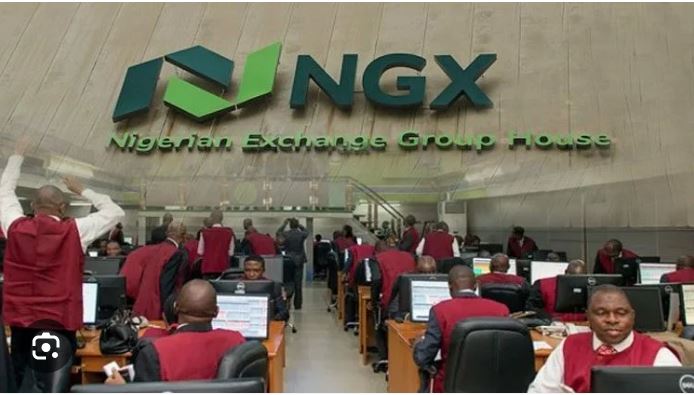
In Nigeria, the Nigerian Exchange Group (NGX) has continued efforts to deepen market participation through technology upgrades, improved market transparency, and investor education initiatives. These efforts are intended to attract both domestic and foreign investors.
Ghana’s stock market authorities have similarly focused on strengthening investor confidence and improving regulatory oversight. Stable regulatory frameworks are considered essential for sustaining long-term investment inflows into equity markets.
Global economic conditions have also influenced investment patterns. As investors seek diversification beyond traditional developed markets, African frontier markets are increasingly being viewed as alternative investment destinations with long-term growth potential.
Currency movements and inflation trends remain important factors influencing market performance in both countries. Exchange rate stability and effective monetary policy can significantly affect foreign investor participation and overall market sentiment.
Economic reforms introduced by governments in Nigeria and Ghana are also shaping investor outlook. Measures aimed at improving fiscal discipline, increasing transparency, and stimulating private sector growth have contributed to renewed market confidence.
Industry observers note that local pension funds and institutional investors are becoming increasingly influential within African capital markets. Their growing participation provides liquidity and helps stabilize market activity during periods of volatility.
The rally in small-cap equities may also encourage more companies to consider public listings as a means of raising capital for expansion. Strong equity market performance often improves investor appetite for initial public offerings and corporate fundraising activities.
However, analysts emphasize that sustaining the rally will depend on broader macroeconomic stability, corporate earnings performance, and investor confidence. Political stability, regulatory consistency, and economic growth will remain critical drivers of market performance.
For now, the strong showing by Nigeria and Ghana in Africa’s small-cap equity rally highlights increasing investor interest in West African markets and reinforces the growing role of regional capital markets in supporting economic growth and wealth creation.
Support InfoStride News' Credible Journalism: Only credible journalism can guarantee a fair, accountable and transparent society, including democracy and government. It involves a lot of efforts and money. We need your support. Click here to Donate