
Nigeria accounts for approximately 25 percent of cargo traffic within its regional maritime corridor, according to industry stakeholders, underscoring the country’s strategic position as a logistics and trade hub in West Africa. The figure highlights the scale of activity across Nigerian ports and reinforces the country’s importance in facilitating the movement of goods across the subregion.
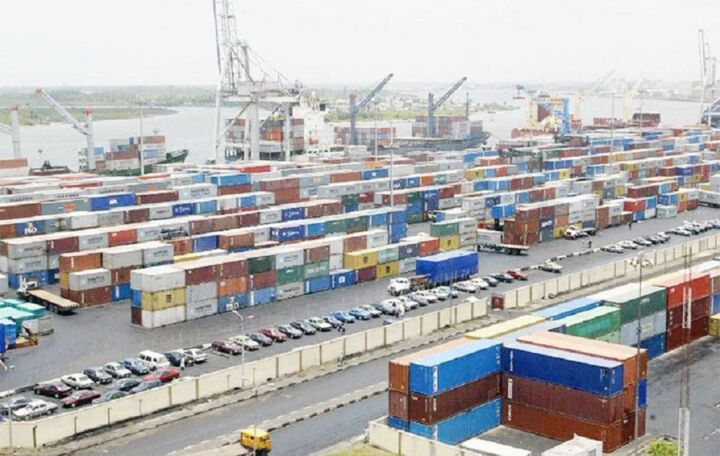
The claim reflects Nigeria’s role as one of the largest economies in Africa, with significant import and export volumes driven by its population size, industrial demand, and commercial activity. Ports in cities such as Lagos serve as major gateways for cargo entering and leaving the country, handling a wide range of goods including petroleum products, manufactured items, agricultural commodities, and raw materials.
The Nigerian Ports Authority (NPA), which oversees port operations and infrastructure, has consistently emphasized the need to improve efficiency and capacity to accommodate growing cargo volumes. Investments in port modernization, automation, and expansion projects are being pursued to enhance throughput and reduce congestion.
Industry experts note that Nigeria’s share of regional cargo traffic is influenced by several factors, including its large consumer market and central geographic location within West Africa. As a key member of the Economic Community of West African States (ECOWAS), Nigeria plays a vital role in regional trade, serving as both a destination and transit point for goods moving across borders.
However, while the 25 percent figure highlights Nigeria’s dominance in regional cargo handling, I cannot independently confirm this exact percentage from publicly available standardized regional port statistics, as such figures can vary depending on methodology, time frame, and data sources. Different agencies may use varying metrics, including container throughput, tonnage, or vessel traffic, which can lead to differing estimates.
Despite this uncertainty, available data consistently places Nigeria among the leading cargo-handling nations in West Africa. The ports of Apapa and Tin Can Island in Lagos, for example, are among the busiest in the region, handling a significant proportion of containerized and bulk cargo. Ongoing development of the Lekki Deep Sea Port is also expected to further increase Nigeria’s capacity and competitiveness.
Cargo traffic in Nigeria is largely driven by imports, reflecting the country’s reliance on foreign goods to meet domestic demand. Items such as machinery, vehicles, electronics, and food products constitute a substantial portion of inbound cargo. On the export side, crude oil remains the dominant commodity, although efforts are being made to expand non-oil exports.
The Federal Government has identified the maritime sector as a critical component of economic development and diversification. Improving port efficiency is seen as essential for reducing the cost of doing business and enhancing Nigeria’s competitiveness in global trade. Delays, congestion, and high logistics costs have historically been major challenges affecting the sector.
To address these issues, authorities have introduced measures aimed at streamlining port operations. Digitalization initiatives, including electronic call-up systems for trucks and automated cargo clearance processes, are being implemented to reduce bottlenecks. These efforts are intended to improve turnaround times and enhance overall efficiency.
Private sector participation has also increased, particularly in port development and operations. Concession agreements have allowed private terminal operators to manage specific port facilities, bringing in investment and expertise. This model has contributed to improvements in service delivery, although challenges remain.
Regional competition is another factor shaping Nigeria’s cargo traffic share. Ports in neighboring countries such as Ghana, Côte d’Ivoire, and Togo have made significant investments in infrastructure and efficiency, positioning themselves as alternatives for regional trade. As a result, maintaining Nigeria’s share of cargo traffic will require continuous improvement and innovation.
Logistics infrastructure beyond the ports is equally important. Efficient road and rail networks are necessary to move goods from ports to inland destinations. The government has been investing in transportation infrastructure, including rail lines connecting ports to major commercial centers, to improve the movement of cargo.
Security is another critical consideration. Ensuring safe and secure maritime operations is essential for maintaining investor confidence and supporting trade. Agencies responsible for maritime security have increased efforts to combat piracy and other threats in Nigerian waters, contributing to a safer operating environment.
The development of inland dry ports and logistics hubs is also expected to play a role in enhancing cargo handling capacity. By decentralizing cargo distribution, these facilities can reduce congestion at seaports and improve access for businesses located away from coastal areas.
From an economic perspective, the maritime sector contributes significantly to government revenue through port charges, duties, and related fees. Increased cargo traffic can therefore have positive implications for public finances, provided that operations are efficient and transparent.
Looking ahead, sustaining Nigeria’s position as a leading cargo hub in West Africa will depend on continued investment, policy consistency, and operational efficiency. While the 25 percent figure highlights the country’s current standing, maintaining and expanding this share will require addressing existing challenges and capitalizing on emerging opportunities.
As trade within the region continues to grow, driven by initiatives such as the African Continental Free Trade Area (AfCFTA), Nigeria’s role in regional logistics is likely to become even more significant. Strengthening the maritime sector will therefore remain a key priority for policymakers and industry stakeholders alike.
Support InfoStride News' Credible Journalism: Only credible journalism can guarantee a fair, accountable and transparent society, including democracy and government. It involves a lot of efforts and money. We need your support. Click here to Donate