
Global oil prices climbed while equity markets fluctuated as uncertainty around international peace negotiations unsettled investor sentiment, reflecting renewed volatility across energy and financial markets.
Crude oil markets reacted to shifting geopolitical expectations, with traders closely monitoring developments linked to ongoing diplomatic discussions in key conflict regions. Hopes of a breakthrough in peace talks initially eased market tensions, but wavering signals from negotiations quickly reversed sentiment, leading to renewed buying pressure in oil futures.
Brent crude and other global benchmarks experienced upward movement as investors priced in the possibility of continued supply risks. Analysts say oil markets are highly sensitive to geopolitical stability because disruptions in key producing regions can quickly tighten global supply and push prices higher.
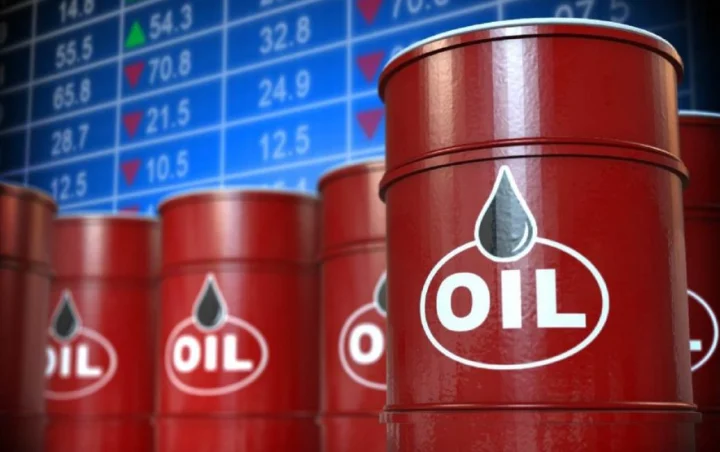
At the same time, global stock markets showed mixed performance. Major indices swung between gains and losses as investors balanced optimism about potential diplomatic progress against concerns that prolonged uncertainty could weigh on global economic growth.
Energy and financial markets are often tightly linked, with oil price movements influencing inflation expectations, corporate earnings, and central bank policy decisions. Rising crude prices can increase production and transportation costs, which in turn affect consumer prices and business margins.
Market analysts note that uncertainty surrounding peace negotiations tends to increase short-term volatility. Investors typically adjust portfolios quickly in response to new information, especially when geopolitical developments could affect global supply chains or economic stability.
The fluctuation in equity markets reflects broader concerns about global growth prospects. While some sectors benefit from higher oil prices—such as energy producers—others, including transportation and manufacturing, may face increased cost pressures.
Central banks are also closely watching energy price movements as they assess inflation trends. Persistent increases in oil prices can complicate efforts to control inflation, particularly in economies still recovering from previous price shocks.
Traders say sentiment remains highly reactive to news flow, with markets responding sharply to statements from diplomats, government officials, and international organizations involved in peace efforts. Even small shifts in expectations can trigger significant price movements.
The energy market remains particularly sensitive due to its dependence on geopolitical stability. Any perceived risk to supply routes, production facilities, or export infrastructure can lead to rapid price adjustments as traders factor in potential disruptions.
Despite the volatility, some analysts believe that markets are still operating within a broader range, suggesting that investors are waiting for clearer signals before committing to long-term directional positions. This “wait-and-see” approach is common during periods of diplomatic uncertainty.
Equity investors, meanwhile, are increasingly focused on earnings reports and macroeconomic data to gauge the strength of global economic recovery. However, external shocks such as geopolitical tensions continue to play a significant role in shaping short-term market behavior.
The interplay between oil prices and stock markets highlights the interconnected nature of global finance. Rising energy costs can affect corporate profitability, while stock market performance can influence investor appetite for risk assets, including commodities.
Some sectors have benefited from the recent oil price increase. Energy companies typically see improved revenues when crude prices rise, while other industries may face margin pressure due to higher input costs.
However, uncertainty remains a dominant theme. Until there is greater clarity on the outcome of peace talks, markets are expected to remain volatile, with frequent swings driven by headlines and speculative positioning.
Financial experts advise investors to focus on long-term fundamentals rather than short-term fluctuations driven by geopolitical developments. Diversification and risk management strategies are often recommended during such periods of instability.
The broader economic implications of sustained oil price increases could include higher inflation, tighter monetary policy, and slower consumer spending growth in some regions. These factors collectively influence global stock market performance.
For now, markets remain highly reactive as traders weigh the possibility of improved geopolitical stability against the risk of continued uncertainty. The result is a dynamic environment where both oil prices and equities are likely to experience continued fluctuations in the near term.
Support InfoStride News' Credible Journalism: Only credible journalism can guarantee a fair, accountable and transparent society, including democracy and government. It involves a lot of efforts and money. We need your support. Click here to Donate