
As one of the main epicenters of the ignominious trade in human cargo and misery, the West African nation of Ghana has fired the first salvo in the debate about atonement and culpability.
While most of Africa and the rest of the world slept, President John Dramani Mahama was at United Nations in New York last Tuesday asking the world body to recognize the enslavement of Africans during the transatlantic slave trade as the “gravest crime against humanity”.
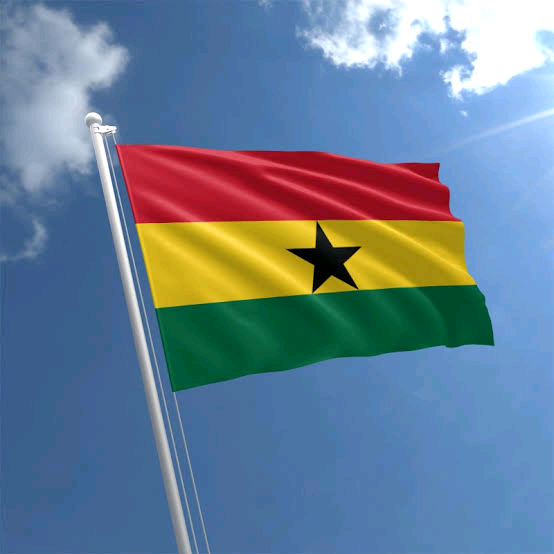
Advocates believe that a UN resolution is needed to pave the way for healing and justice.
“Let it be recorded”, Mahama said, “that when history beckoned, we did what was right for the memory of the millions who suffered the indignity of the slave trade and those who continue to suffer racial discrimination”.
A General Assembly vote was taken.
And the result was not only predictable but it reinforced old stereotypes.
All the suspects – the United States, Israel and Argentina – banded together while the rest of the world stood resolute in the common belief that we live in an unfair world. That the wrong of the past needs to be righted.
One hundred and twenty-three nations – the majority – voted in favor of the resolution proposed by the Ghanaians while three others – the United States, Israel and Argentina opposed the resolution.
Standing on the fence in the voting were 52 countries who abstained, most surprising being the United Kingdom, and European Union member states.
With an overwhelming majority, the proposal was however adopted.
Pundits believe that this proposal would make it possible for talks on the contentious issue of reparations for the victims and their survivors to be made possible.
This resolution also contains a provision that urges UN member states to consider apologizing for the slave trade and for contributing to a reparations fund.
On the opposing side, such countries as the UK, the argument has always been that today’s institutions should not be held liable for yesterday’s wrongdoings.
But according to Ghana’s foreign minister, Samuel Okudzeto Ablakwa, “We want justice for the victims and causes to be supported, educational and endowment funds, skills training funds”.
I would therefore want to say that the March 24 deliberations and the outcome at the UN did not come as a surprise.
As Africans and people of African descent, we have never ever been under any illusion who our true friends are. And invariably who our real enemies are.
What is however spurious about our relationship with the rest of the world is that our traducers still look at us from the prisms of the past. That is a bad mistake.
I often laugh when I think about it. I know without a shadow of doubt that the joke is actually on them. Not us.
It is completely preposterous that the Europeans and the United States still have the temerity – at this time and age – to question our right to choose who our friends should be.
Madiba Nelson Mandela warned them of the dangers of choosing our friends for us. But, they did not listen.
And they even tried severally to undermine our decision to take our destiny in our own hands. Such hubris.
I once told an American friend during a debate that if the rest of the world ever thinks that today’s Africa is the Africa of our grandfathers, they must be sorely mistaken.
The African Lion is awake. We may look unprepared. But do not be fooled. Our consciousness is woke.
And we shall be going for broke.
My generation and the ones who are coming after us are now beginning to understand the issues at stake.
And Black peoples all over the world are covertly determined to confront our common nemesis.
As in the glorious days of Osagyefo Dr. Kwame Nkrumah, Ghana has once again taken the lead.
Let me assure those still in doubt about our collective resolve and determination to the cause of righting the wrongs of the past, that the rest of us from the Americas, the Caribbean, Europe and down to the continent are following right along.
If we die. We die.
Like we say in Nigerian-speak: ‘All die, na die’
So, why worry?
Support InfoStride News' Credible Journalism: Only credible journalism can guarantee a fair, accountable and transparent society, including democracy and government. It involves a lot of efforts and money. We need your support. Click here to Donate