
The Federal Government is seeking to raise approximately ₦700 billion through bond issuances in April as part of its broader strategy to finance budgetary obligations, support infrastructure development, and manage public debt. The planned borrowing will be conducted through the domestic bond market under the supervision of the Debt Management Office (DMO), which is responsible for coordinating Nigeria’s public debt activities.
Government bonds are one of the primary tools used by the Federal Government to raise long-term funds from investors. These instruments are typically purchased by institutional investors such as pension funds, banks, insurance companies, and asset managers, as well as retail investors seeking relatively stable returns. The proposed ₦700 billion bond offer reflects the government’s continued reliance on domestic borrowing to bridge fiscal gaps and finance capital expenditure.
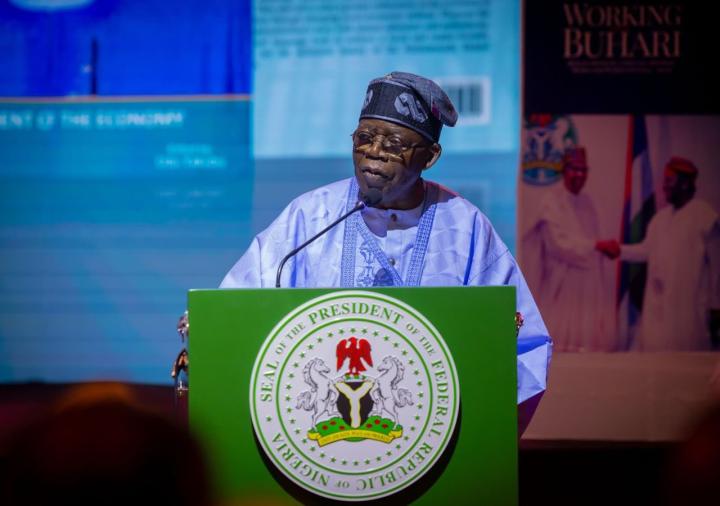
The borrowing plan comes amid ongoing efforts by the administration of President Bola Ahmed Tinubu to implement economic reforms while addressing infrastructure deficits and rising public expenditure. Nigeria’s annual budgets have increasingly relied on borrowing due to revenue shortfalls, subsidy-related costs, and fluctuating oil earnings.
According to market analysts, the planned bond issuance is expected to include a mix of medium- and long-term instruments with varying maturities. This approach allows the government to spread repayment obligations over time while appealing to different categories of investors. Bond tenors may range from five to thirty years depending on market conditions and investor demand.
The domestic bond market has become a crucial financing channel for the Federal Government. By borrowing locally, authorities can reduce exposure to foreign exchange risks associated with external debt. However, domestic borrowing can also place pressure on local interest rates and potentially crowd out private sector access to credit if not carefully managed.
The Central Bank of Nigeria (CBN) continues to play an indirect role in shaping bond market conditions through monetary policy decisions. Recent increases in benchmark interest rates aimed at curbing inflation have influenced yields in the fixed-income market, making government securities more attractive to investors seeking higher returns.
Nigeria’s inflationary environment has also contributed to strong investor interest in government bonds. Fixed-income instruments are often viewed as safer investment options during periods of economic uncertainty. Pension funds and institutional investors, in particular, continue to allocate significant portions of their portfolios to government securities due to their relatively low risk profile.
The planned ₦700 billion borrowing is expected to support the implementation of the 2026 budget, which includes allocations for infrastructure projects, social programs, debt servicing, and recurrent expenditure. Infrastructure remains a major priority for the government, with investments planned in roads, railways, power, healthcare, and digital connectivity.
Economists, however, continue to express concerns about Nigeria’s growing debt burden. While borrowing is a common fiscal tool used by governments worldwide, questions remain about debt sustainability and repayment capacity. Nigeria’s debt servicing costs have risen significantly in recent years, consuming a large portion of government revenue.
According to financial analysts, the sustainability of public debt depends not only on the amount borrowed but also on how effectively borrowed funds are utilized. Investments that stimulate economic growth, increase productivity, and generate revenue can improve the government’s ability to service debt over time. Conversely, inefficient spending may worsen fiscal pressures.
The Debt Management Office has consistently defended the government’s borrowing strategy, arguing that Nigeria’s debt-to-GDP ratio remains within manageable levels compared to some other economies. However, analysts note that debt-to-revenue ratio is often a more relevant measure for Nigeria due to the country’s relatively low revenue generation capacity.
Investor appetite for Nigerian bonds remains relatively strong despite economic challenges. Government securities are generally considered among the safest investment instruments in the country because they are backed by sovereign guarantees. This has helped sustain demand even during periods of market volatility.
The bond issuance is also expected to provide an opportunity for the government to deepen the domestic capital market. A well-functioning bond market can support economic development by providing long-term financing options and encouraging broader participation in financial markets.
Currency stability remains another factor influencing borrowing dynamics. By raising funds domestically in naira-denominated instruments, the government reduces the risk associated with foreign currency obligations. This is particularly important given recent fluctuations in the naira and broader foreign exchange market reforms.
However, higher domestic borrowing can have implications for the broader economy. Increased government demand for funds may push interest rates upward, potentially making borrowing more expensive for businesses and individuals. Economists therefore stress the importance of balancing fiscal financing needs with private sector growth objectives.
Transparency and accountability in debt utilization have also become important public concerns. Civil society groups and economic experts have repeatedly called for clearer reporting on how borrowed funds are spent and the measurable outcomes of debt-financed projects.
The April bond issuance will likely be closely monitored by investors, economists, and financial institutions as an indicator of market confidence and fiscal direction. Subscription levels, investor participation, and yield outcomes will provide insight into sentiment within the domestic financial market.
As Nigeria continues to navigate economic reforms, infrastructure needs, and fiscal pressures, borrowing is expected to remain a key component of government financing strategy. The challenge for policymakers will be ensuring that debt is managed prudently and directed toward projects capable of driving sustainable economic growth.
For now, the planned ₦700 billion bond offer underscores the Federal Government’s ongoing efforts to mobilize resources through the domestic market while balancing economic stability and development priorities.
Support InfoStride News' Credible Journalism: Only credible journalism can guarantee a fair, accountable and transparent society, including democracy and government. It involves a lot of efforts and money. We need your support. Click here to Donate